
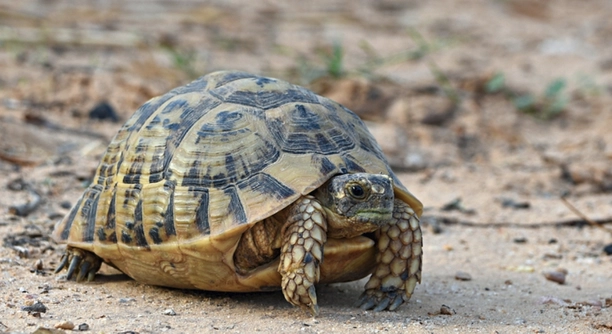
Russian tortoises are known for their unique behaviors, and one of the most puzzling habits is their tendency to hide. As a pet owner, you may have noticed your tortoise seeking out dark, secluded spaces more often than usual.
This hiding behavior is often linked to instinctual habits that are common in wild tortoises. It can be a sign of stress, illness, or an attempt to regulate their environment. Understanding these reasons can help ensure your tortoise stays healthy and comfortable.
Exploring these factors will provide you with insights into how to manage your tortoise’s behavior and ensure its well-being.
Stress and Anxiety in Russian Tortoises
When a Russian tortoise begins hiding frequently, stress or anxiety is often a primary cause. Tortoises are sensitive creatures, and changes in their environment can significantly impact their behavior. Factors such as loud noises, unfamiliar scents, or even new people in the house can cause them to retreat to their hiding spots.
Stress in tortoises isn’t always immediately visible, but it can result in prolonged hiding. A stressed tortoise may stop eating or display more defensive behaviors. It’s essential to monitor their surroundings and make sure the environment remains as stable as possible.
Creating a calm space for your tortoise can help reduce anxiety. Providing hiding spots, like rocks or plants, allows them to feel secure. Additionally, maintaining a consistent daily routine, such as feeding them at the same time each day, can help minimize stress and improve their overall well-being.
Illness and Injury
Illness or injury can also be a significant reason for your tortoise’s hiding. If your tortoise feels unwell, it may seek out a secluded area to rest and recover.
A sick tortoise may hide due to discomfort or the instinct to protect itself from potential predators when it’s vulnerable. If you notice signs such as lethargy, a loss of appetite, or changes in their shell, it’s crucial to visit a vet. Timely treatment can ensure a quick recovery and prevent further complications.
Tortoises can also be prone to certain health conditions that affect their mobility or appetite. Respiratory infections, for example, can make them lethargic and cause them to hide. Early detection and treatment of such illnesses can make a significant difference in your pet’s recovery time.
Temperature and Environmental Factors
Tortoises are highly sensitive to temperature changes. If their habitat isn’t within the ideal range, they might seek a hidden spot to regulate their body temperature. Too hot or too cold can trigger this behavior.
Providing a proper heat source, like a heat lamp, and a cool area where your tortoise can escape the heat is essential. Without these options, your tortoise may feel stressed or uncomfortable, leading to excessive hiding. Monitoring their environment regularly ensures they stay within the right temperature range.
A stable environment with a consistent temperature promotes comfort and reduces the likelihood of your tortoise seeking shelter. Proper humidity levels also play a role in keeping your pet healthy. If the conditions fluctuate too much, your tortoise will likely retreat into hiding more often. Ensuring the enclosure is well-balanced helps avoid these issues.
Natural Instincts
Hiding is also a natural behavior for tortoises in the wild. In their natural habitat, they seek shelter to stay safe from predators and extreme weather. This instinct can carry over to their behavior as pets.
When a tortoise feels vulnerable or threatened, it may retreat to a hidden space to feel safe. Providing enough hiding places in their enclosure mimics their natural behavior and makes them feel secure. This is a healthy response, and it should not be a cause for concern unless it becomes excessive or paired with other signs of stress or illness.
Respecting these natural instincts helps build trust between you and your tortoise. When your pet has access to its preferred hiding spots, it can better regulate its feelings of safety.
Overfeeding or Underfeeding
The amount of food your tortoise eats directly impacts its behavior. Overfeeding can cause discomfort, making the tortoise want to hide to digest or avoid feeling bloated. Underfeeding can also lead to weakness and hiding due to low energy.
It’s essential to monitor the feeding schedule and portion sizes. Offering a balanced diet ensures your tortoise remains healthy and energetic. Too much food can also lead to health issues, such as obesity, which may cause more hiding as the tortoise becomes less active.
Maintaining a consistent feeding routine ensures that your tortoise gets the right amount of food. Be mindful of the types of food you provide and avoid offering too many high-calcium or sugary items. A balanced, varied diet will keep your tortoise strong and reduce hiding behavior.
Loneliness or Lack of Interaction
Tortoises are solitary creatures but still need regular interaction. If they feel neglected or aren’t receiving enough attention, they may hide more often to cope with the lack of social stimulation.
Regular interaction with your tortoise helps build trust and promotes a healthy bond. Taking the time to observe your tortoise, clean its enclosure, or even let it roam outside its habitat can reduce feelings of isolation. It’s important to strike a balance between providing enough space for your tortoise to feel secure and giving it regular attention.
Changes in Routine or New Environments
When there’s a change in the environment, tortoises may hide due to the stress caused by unfamiliar surroundings. Moving to a new home or changing their habitat can make them feel insecure.
Creating a stable and predictable environment is key to preventing this behavior. If you’ve recently made changes to your tortoise’s enclosure, such as adding new elements or moving its tank, it’s natural for it to hide as it adjusts. Allowing your tortoise to adapt at its own pace without forcing it out of hiding will help build comfort over time.
FAQ
Why is my Russian tortoise hiding all the time?
Constant hiding may indicate stress, illness, or environmental discomfort. It’s natural for tortoises to hide for safety, but frequent hiding can point to an issue. Check the temperature, humidity, and food quality. Stressors like loud noises, sudden changes in their environment, or feeling threatened by other pets can also cause this behavior. If hiding persists or is combined with other symptoms like lethargy or loss of appetite, consider a vet check-up.
Is hiding normal behavior for a Russian tortoise?
Yes, hiding is normal behavior, especially in their natural habitat where they seek shelter to protect themselves. Tortoises hide for safety, comfort, or simply to rest. However, it becomes a concern when hiding increases or appears to be linked to signs of illness, like changes in eating habits or behavior.
How can I tell if my tortoise is sick?
Signs of illness in a tortoise include lethargy, lack of appetite, wheezing or labored breathing, runny nose, and abnormal stools. If your tortoise seems to hide more than usual and shows one or more of these symptoms, it may be unwell. A vet can provide a proper diagnosis.
Can I stop my tortoise from hiding?
While you cannot stop your tortoise from hiding entirely, you can make its environment more comfortable to minimize hiding. Ensure a temperature-controlled environment with adequate light, heat, and humidity. Make sure the habitat is quiet, and avoid sudden changes that could cause stress. Providing consistent daily care can help your tortoise feel secure and reduce excessive hiding.
Should I disturb my tortoise when it’s hiding?
It’s important to allow your tortoise some privacy when it’s hiding, as this behavior may be related to feeling vulnerable or stressed. Constant disturbance can cause anxiety. However, ensure your tortoise has access to water and food while it is resting. Only approach if you are concerned about its well-being.
Can a tortoise die from hiding too much?
Excessive hiding itself doesn’t directly cause death, but it can be a symptom of an underlying issue like illness or poor environmental conditions. If your tortoise is hiding more than usual and you notice other concerning signs like reduced eating or lethargy, it’s best to consult a vet. Timely intervention can prevent further complications.
Why is my tortoise hiding but still eating?
Sometimes, tortoises hide to rest or digest food, even if they are still eating. If your tortoise is hiding but is still active at feeding time and eating regularly, it may simply prefer solitude or is managing its energy. Monitor its behavior and environment to ensure no other issues are at play.
How often should I check on my tortoise if it’s hiding a lot?
If your tortoise is hiding more than usual, check on it regularly but avoid constant disturbance. Monitor its food and water intake, and make sure its environment is comfortable. You should also keep an eye out for signs of illness, such as lethargy or changes in behavior. If you are concerned, contact a vet.
Can my tortoise hide due to overfeeding?
Yes, overfeeding can make your tortoise feel sluggish or bloated, leading it to hide more often. It’s important to maintain a proper feeding schedule and portion sizes. Offer a balanced diet, avoiding excess food that could cause discomfort. If you suspect overfeeding, adjust the quantity and check its behavior accordingly.
Should I let my tortoise roam outside its enclosure?
Allowing your tortoise to roam outside its enclosure occasionally can be beneficial for its mental and physical health. However, ensure that the space is safe and secure. Provide areas for hiding and ensure the environment is free from potential predators or hazards. Monitor your tortoise to make sure it doesn’t become stressed or overwhelmed by the new surroundings.
Can temperature affect my tortoise’s behavior?
Yes, temperature has a significant effect on tortoise behavior. If it’s too hot or too cold in its enclosure, your tortoise may hide to regulate its body temperature. Make sure your tortoise’s habitat has a heat source, like a heat lamp, and a cooler area to escape the heat. Proper temperature control is essential for their well-being.
What do I do if my tortoise won’t stop hiding?
If your tortoise won’t stop hiding and there are no obvious environmental or physical causes, observe its behavior closely. Check for any signs of illness or stress, such as changes in eating, breathing difficulties, or lethargy. If nothing improves, take your tortoise to the vet for a health check-up. A proper diagnosis will help address the issue effectively.
How can I make my tortoise feel more comfortable and less stressed?
To make your tortoise feel more comfortable, create a stable and quiet environment. Ensure its habitat is temperature-controlled, with plenty of hiding spots, and maintain proper lighting and humidity. Avoid making sudden changes to the enclosure, and be mindful of its routine. Regularly monitor for signs of stress or illness and adjust the environment accordingly.
Final Thoughts
Understanding why your Russian tortoise keeps trying to hide can help you create a more comfortable environment for it. Hiding is a natural behavior, but excessive hiding can be a sign of stress, illness, or discomfort. Ensuring your tortoise’s habitat is properly maintained with the right temperature, humidity, and lighting can make a significant difference in how it behaves. It’s important to pay attention to any changes in its routine, feeding habits, or overall health, as these may indicate underlying issues that need addressing.
Tortoises are creatures of habit and can be sensitive to changes in their environment. Small shifts, such as a change in diet, the addition of new elements to their enclosure, or even fluctuations in temperature, can lead to hiding. Regular interaction and providing a safe, secure space are key to making your tortoise feel at ease. If it’s hiding more than usual, try to observe its behavior closely and make sure there are no signs of illness, stress, or discomfort. Sometimes, a simple adjustment can improve your tortoise’s well-being.
Ultimately, if your tortoise continues to hide despite making necessary adjustments, a visit to the vet might be required. Health issues can be tricky to identify, and only a professional can provide the right diagnosis and treatment. By taking proactive steps to care for your tortoise and addressing any changes in its behavior, you can help ensure a long, healthy life for your pet.

Hello,
If you enjoy the content that we create, please consider saying a "Thank You!" by leaving a tip.
Every little bit helps us continue crafting quality advice that supports the health, happiness, and well-being of pets around the world, for pets of all shapes, sizes, and species.
We really appreciate the kindness and support that you show us!