
7 Reasons Red-Footed Tortoises Might Not Be Eating Greens
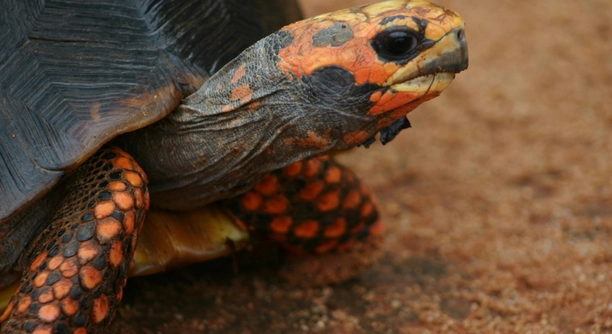
Red-footed tortoises are known for their varied diet, but what happens when they refuse to eat their greens? This can be a bit concerning for pet owners, especially when they notice their tortoises avoiding their leafy meals. The most common reasons for a red-footed tortoise not eating greens include stress, an improper diet, temperature issues, … Read more
Why Does My Red-Footed Tortoise Keep Trying to Bury Itself?

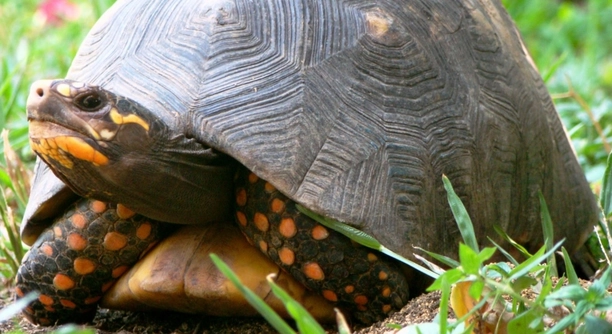
Red-footed tortoises are unique and fascinating pets. You might have noticed your tortoise trying to bury itself. This behavior can be puzzling if you’re not sure why it happens. Understanding the reasons behind this can help. Red-footed tortoises often try to bury themselves as a natural behavior related to feeling secure, resting, or avoiding stress. … Read more

7 Ways to Stop Your Red-Footed Tortoise From Escaping Its Enclosure

Red-footed tortoises are known for their curious and adventurous nature, often finding ways to escape their enclosures. If you are a proud owner of one, you might have encountered this issue. To prevent your red-footed tortoise from escaping, ensure its enclosure is secure, with no gaps or weaknesses in the fencing. Adding height, reinforcing weak … Read more

Can Red-Footed Tortoises Eat Lemons? (+Why It’s Risky)

Red-footed tortoises are known for their unique diet and care needs. As pet owners, it’s natural to wonder if certain foods, like lemons, are safe for these animals. Understanding their dietary preferences is key to their health. Red-footed tortoises should not eat lemons. While lemons are not toxic, their high acidity can harm the tortoise’s … Read more

7 Best Enclosure Setups for Red-Footed Tortoises (+Pros & Cons)

Red-footed tortoises are fascinating reptiles, and creating the perfect habitat for them can be tricky. This article will help you understand what these tortoises need to thrive in captivity. The ideal enclosure for a red-footed tortoise should provide a balance of space, temperature, humidity, and substrate. Ensuring that these elements are met will help maintain … Read more

Why Is My Red-Footed Tortoise So Inactive? (+What to Check)

Is your red-footed tortoise acting more sluggish than usual? Tortoises are generally slow-moving animals, but if your red-footed tortoise is unusually inactive, it might be a sign that something is off. Inactivity in red-footed tortoises can result from various factors such as temperature issues, improper diet, or health concerns. Ensuring their habitat is warm enough … Read more

7 Simple Ways to Improve Your Red-Footed Tortoise’s Digestion

Red-footed tortoises are fascinating creatures, but ensuring they have proper digestion is essential for their overall health. By understanding simple methods, you can improve their well-being and make their digestive system function more effectively. Improving your red-footed tortoise’s digestion involves providing a well-balanced diet, ensuring access to fresh water, offering proper environmental conditions, and incorporating … Read more

7 Best Substrate Choices for a Healthy Red-Footed Tortoise

Are you looking for the best substrate to keep your red-footed tortoise happy and healthy? Choosing the right bedding is important for maintaining proper humidity, supporting natural behaviors, and ensuring your tortoise has a comfortable living environment. The best substrate options for a red-footed tortoise include coconut coir, cypress mulch, organic topsoil, and sphagnum moss. … Read more

Why Is My Red-Footed Tortoise Blowing Bubbles? (+Is It Serious?)

Is your red-footed tortoise blowing bubbles, leaving you unsure if it’s normal or a sign of trouble? Understanding this behavior can help you determine whether your pet needs immediate attention or if it’s just a harmless occurrence. Red-footed tortoises may blow bubbles due to respiratory infections, which can be caused by improper humidity, temperature fluctuations, … Read more