
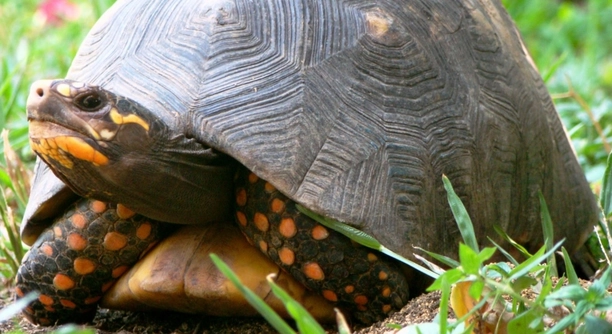
Red-footed tortoises are known for their curious and adventurous nature, often finding ways to escape their enclosures. If you are a proud owner of one, you might have encountered this issue.
To prevent your red-footed tortoise from escaping, ensure its enclosure is secure, with no gaps or weaknesses in the fencing. Adding height, reinforcing weak spots, and creating a natural barrier can help keep your tortoise safe and contained.
Making sure your tortoise stays in a secure and safe space is essential. These tips will help ensure your pet stays right where it belongs.
Reinforce the Enclosure
The first step to preventing your red-footed tortoise from escaping is making sure the enclosure is sturdy and secure. Tortoises are known for their digging abilities, so a solid base is essential. Ensure the sides of the enclosure are high enough to deter climbing. If your tortoise can easily reach the top, consider adding additional height. You can even bury the bottom edges of the fence a few inches underground to prevent digging escapes. Check for any loose or weak spots in the fencing regularly to avoid unwanted escapes.
Adding a cover over the top of the enclosure is another option. This prevents your tortoise from climbing or attempting to escape over the edge. A simple mesh or wire cover can be an affordable solution. Make sure the cover is secure enough that it won’t be easily pushed aside or removed by your tortoise.
These simple adjustments will help create a safe and secure environment for your red-footed tortoise to enjoy. A well-designed enclosure is key to keeping your pet happy and safe.
Maintain a Consistent Environment
Tortoises tend to be more focused on their surroundings and less likely to try escaping if they feel comfortable. Keep their habitat consistent by providing proper heat, humidity, and shelter. The right temperature and humidity levels make a big difference in their well-being. If your tortoise feels comfortable, it will be less likely to try to escape the enclosure in search of better conditions.
A proper heating lamp and humidity control system will help keep your tortoise relaxed and content in its space. Inadequate care might make your pet restless, increasing the chance of escape attempts.
Avoid Overcrowding
Overcrowding can cause stress for your red-footed tortoise, which may lead to increased attempts to escape. Ensure that the enclosure is spacious enough for your tortoise to roam freely. A cramped environment can make your tortoise anxious, prompting it to search for a way out.
To avoid this, create a habitat that allows your tortoise to have enough space to move around. This will reduce the chances of it trying to break free in search of more room. A proper-sized enclosure with space for food, water, and hiding areas can prevent stress.
Remember that tortoises also benefit from enrichment, such as rocks and logs to climb or hide under. These elements create a more enjoyable space for them, reducing the urge to escape. The more you provide for their needs, the less likely your tortoise will try to leave its safe space.
Secure the Substrate
Loose or unsuitable substrate in the enclosure can lead to escapes, especially if it encourages digging. Choose a substrate that’s both comfortable and secure for your tortoise. Avoid loose sand or dirt that’s too light and can be easily displaced.
A heavier, more compact substrate like coconut coir or a mix of soil and sand works better to prevent digging. Make sure the substrate is deep enough to allow your tortoise to burrow without reaching the enclosure walls. Check the substrate regularly for any signs of tunneling or movement near the edges.
A stable substrate will also promote a more natural environment for your tortoise. It will feel safer and more comfortable, reducing any desire to dig or escape. Always ensure it is kept clean and dry to maintain a healthy space for your pet.
Monitor the Temperature
Maintaining the right temperature is crucial for your red-footed tortoise. If the enclosure is too hot or too cold, your tortoise may try to escape in search of a better environment. Keep the temperature within the optimal range of 75°F to 85°F.
Invest in a reliable thermometer to monitor the heat. Too high or low a temperature can cause your tortoise stress, leading to escape attempts. Ensure there is a warm basking area and a cooler zone for balance. This way, your tortoise will feel comfortable and secure within its space.
Provide Hiding Spots
Tortoises, like red-footed ones, feel more secure when they have places to hide. A hiding spot gives them a safe retreat when they need to rest or get away from others. Use simple materials like logs or boxes to create these spots.
This also helps reduce stress and discomfort in the enclosure. When tortoises are stressed, they may try to escape. A well-placed hideaway lets your tortoise feel more at ease, lowering the likelihood of it seeking an escape route.
Check for Escapes Regularly
Always check the perimeter of the enclosure for any weaknesses. Tortoises are skilled at finding small gaps or cracks that can be exploited. Even tiny holes can lead to an escape if not properly sealed. Make this a routine check to ensure your tortoise stays safe.
FAQ
How do I know if my red-footed tortoise is trying to escape?
Red-footed tortoises often show signs of restlessness if they are trying to escape. If you notice your tortoise frequently pacing or scratching at the edges of the enclosure, it might be searching for a way out. You may also see it trying to climb the sides or burrow underneath. These behaviors indicate that it feels uncomfortable or cramped in its current space. Additionally, if your tortoise is more active than usual or shows signs of stress, such as hiding more often, it could be looking for a better environment outside the enclosure.
Can a red-footed tortoise climb over a fence?
Yes, red-footed tortoises can climb over fences, especially if the fence is not high enough or if it offers some kind of foothold. Tortoises are quite resourceful when it comes to climbing, so ensuring the height of the fence is sufficient is important. A fence height of at least 18 to 24 inches is recommended to prevent climbing. Additionally, check if the surface of the fence allows your tortoise to get a grip, as smooth surfaces will be harder for them to climb.
Should I use a solid or mesh fence for my tortoise’s enclosure?
Both solid and mesh fences can work, but each has its advantages. Solid fences offer more security by preventing your tortoise from seeing outside the enclosure, which can reduce stress and potential escape attempts. Mesh fences allow for more airflow and visibility, but they may also create opportunities for climbing or squeezing through gaps. If you decide to use mesh, make sure the holes are small enough to prevent your tortoise from getting through. Whichever option you choose, ensure the material is durable and secure.
What size should the enclosure be for my red-footed tortoise?
The size of the enclosure depends on the age and size of your red-footed tortoise. As a general guideline, the minimum size for an adult red-footed tortoise should be 8 to 10 feet in length and 4 to 6 feet in width. For younger tortoises, a smaller enclosure can work, but it should be spacious enough for them to move freely. The more space you can provide, the better it will be for your tortoise’s mental and physical well-being.
How can I prevent my tortoise from digging out of its enclosure?
Tortoises, including red-footed tortoises, love to dig. To prevent them from digging out, make sure the edges of the enclosure are buried at least 4 to 6 inches underground. This will help stop your tortoise from tunneling under the fence. Additionally, using a heavier substrate, like coconut coir or a soil mix, will make it harder for your tortoise to dig. Be sure to inspect the perimeter regularly to ensure there are no new escape routes being created.
What temperature should I keep the enclosure for my red-footed tortoise?
Red-footed tortoises thrive in a temperature range of 75°F to 85°F. A basking area should be kept at around 90°F to 95°F, and there should be a cooler area for your tortoise to retreat to when needed. If the temperature drops too low or rises too high, your tortoise may try to escape in search of better conditions. Consistent temperature control is essential for their health and comfort.
Can I let my tortoise roam outside in my yard?
Yes, you can allow your red-footed tortoise to roam outside, but it must be in a secure, enclosed area. Outdoor enclosures need to be predator-proof and have high, secure walls that your tortoise cannot climb over. You should also keep an eye on the temperature, humidity, and shelter to ensure your tortoise remains comfortable. Always supervise your tortoise while it’s outdoors to prevent escape, especially if the environment isn’t entirely enclosed.
What should I do if my red-footed tortoise escapes?
If your red-footed tortoise escapes, act quickly to search for it. Tortoises are slow-moving, so they may not have gotten far. Check your yard, nearby gardens, and under bushes or structures where your tortoise could hide. If you can’t find it, ask neighbors to help, as tortoises tend to stay close to their original location. You should also check local animal shelters or wildlife organizations to see if someone has found your tortoise. To prevent future escapes, reassess your enclosure for weaknesses and make necessary improvements.
How often should I check the enclosure for escape routes?
It’s a good idea to check the enclosure for escape routes at least once a week. Look for any signs of digging, climbing, or gaps in the fence. These can easily go unnoticed, but regular checks will ensure that your tortoise’s home is secure. If you make adjustments or repairs, check again to ensure everything is in place and there are no new potential escape routes.
Final Thoughts
Ensuring that your red-footed tortoise stays safely within its enclosure is crucial for both its well-being and your peace of mind. Tortoises are naturally curious creatures, and they will often try to explore their surroundings if they feel the need to do so. However, with the right precautions in place, you can reduce the chances of escape. A secure and properly designed enclosure will not only prevent escapes but also provide a comfortable and stress-free environment for your tortoise.
The key to a successful enclosure is to regularly inspect the structure and environment. Check for weak spots, gaps, or any potential areas where your tortoise might dig or climb out. Ensuring the right temperature, humidity, and space can also make a big difference in how comfortable your tortoise feels. A well-maintained and secure habitat will help your tortoise feel at ease and reduce the urge to escape in search of a better environment. Additionally, providing enrichment, such as hiding spots and climbing materials, will keep your tortoise entertained and content.
While red-footed tortoises are generally low-maintenance pets, it’s important to remember that they require attention and care to thrive. The effort you put into making their enclosure secure and comfortable will pay off in the long run by keeping your tortoise happy and safe. By following the tips shared in this article, you can create a secure and enjoyable environment for your tortoise that minimizes the chances of escape. With these simple steps, you can enjoy a happy and healthy pet for many years to come.

Hello,
If you enjoy the content that we create, please consider saying a "Thank You!" by leaving a tip.
Every little bit helps us continue crafting quality advice that supports the health, happiness, and well-being of pets around the world, for pets of all shapes, sizes, and species.
We really appreciate the kindness and support that you show us!