
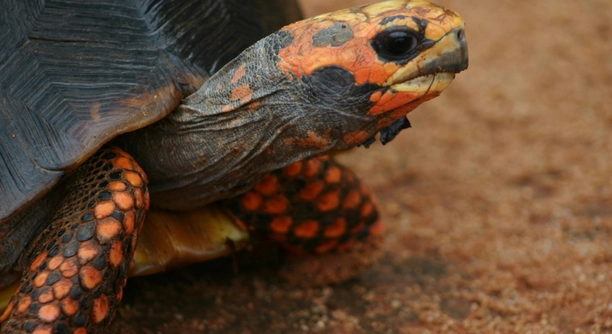
Red-footed tortoises are known for their varied diet, but what happens when they refuse to eat their greens? This can be a bit concerning for pet owners, especially when they notice their tortoises avoiding their leafy meals.
The most common reasons for a red-footed tortoise not eating greens include stress, an improper diet, temperature issues, and health problems. Additionally, some tortoises may simply have a preference for certain types of food over others, affecting their appetite.
Understanding why your tortoise isn’t eating greens is crucial for their well-being. By addressing these potential causes, you can ensure your pet stays happy and healthy while enjoying a balanced diet.
Stress and Environmental Changes
Stress can greatly affect a red-footed tortoise’s appetite. Changes in their environment, such as a new enclosure, unfamiliar scents, or even loud noises, can make them feel anxious and hesitant to eat. It is essential to create a calm and consistent environment for your tortoise to feel secure.
When tortoises are stressed, their natural behavior is often disrupted. This may result in them refusing food, especially greens. Red-footed tortoises thrive in a stable setting, where they can feel safe and comfortable. Reducing stress is one of the most effective ways to get them eating again.
In addition to environmental stress, there may also be factors like improper lighting or noise disturbances affecting your tortoise. Ensuring a quiet, safe space with proper lighting and temperature can help minimize stress. Furthermore, try to keep the enclosure free from sudden changes that could disrupt your pet’s peace of mind.
Temperature and Humidity Levels
Another key factor in a tortoise’s diet is the temperature and humidity of their environment. These creatures are cold-blooded, so the temperature directly influences their digestion. If the enclosure is too cold, they may not feel the urge to eat greens or other food.
Maintaining a consistent temperature between 75-85°F is essential for red-footed tortoises. Inadequate warmth can lead to lethargy, affecting their eating habits. A heat source, like a basking lamp, can help regulate their body temperature. Additionally, humidity levels should be kept at around 60-80% to keep them comfortable and healthy.
Having the right balance of temperature and humidity ensures that your red-footed tortoise stays active and able to properly digest its food. Without the right conditions, they may refuse food altogether. Make sure to regularly check the temperature and humidity levels in their enclosure. This small adjustment can make a big difference in their eating habits.
Dietary Imbalance
If a red-footed tortoise isn’t eating greens, it could be due to an unbalanced diet. Offering a variety of food is crucial. Overfeeding fruits or protein-rich foods can cause them to lose interest in their greens.
When tortoises are fed too many high-protein foods, like meat or eggs, they may begin to prefer these foods over vegetables. It’s important to feed them a mix of leafy greens, vegetables, and fruit in moderation. Greens like dandelion leaves, collard greens, and mustard greens should make up the majority of their diet. Avoid offering too many fruits or protein-rich foods to encourage healthy eating habits.
Some red-footed tortoises may also develop food preferences, which could make them turn away from certain greens. If your tortoise refuses to eat a particular type of food, try offering something different, such as a different variety of leafy greens. By providing a balanced diet, you ensure that they receive all the essential nutrients they need.
Health Problems
A lack of appetite in tortoises could indicate health issues. Conditions like parasites, infections, or mouth problems can cause discomfort, making it difficult for your tortoise to eat. Regular check-ups with a vet can help rule out these problems.
If your tortoise is sick, they may refuse food altogether. Infections or parasites can cause stomach issues, and mouth problems like abscesses or infections can make eating painful. If you suspect health problems, it’s crucial to consult with a veterinarian who specializes in reptiles. They can diagnose and treat any underlying conditions that may be preventing your tortoise from eating greens.
Keeping an eye on your tortoise’s overall behavior and physical condition is key. If they are lethargic, have trouble moving, or show signs of distress, it may be time to take them for a professional evaluation. Addressing health problems early on can prevent further complications and help your tortoise regain a healthy appetite.
Unappetizing Greens
Sometimes, your tortoise might refuse to eat greens simply because they don’t like the particular ones offered. Even though they are herbivores, not all types of greens appeal to them.
Red-footed tortoises are creatures of habit, and if they’ve had a bad experience with a certain green, they might avoid it altogether. Try offering a variety of fresh, clean greens to see what they prefer. Greens like kale, dandelion leaves, and collard greens are often favorites, but your tortoise may have a preference. If they refuse a particular type of green, experiment with alternatives to find what suits them best.
Overfeeding Treats
Overfeeding treats can lead to your tortoise neglecting their greens. It’s easy to fall into the habit of giving your tortoise their favorite treats like fruit or protein-rich food.
If your tortoise is eating too many treats, they may fill up on them and ignore the greens. Treats should be offered in moderation. The majority of their diet should be made up of leafy greens and vegetables. Limiting treats helps create a healthy balance and encourages your tortoise to eat the right foods.
Inconsistent Feeding Schedule
An inconsistent feeding schedule may also affect your tortoise’s eating habits. If they’re unsure when their next meal will come, they may stop eating altogether. Tortoises thrive on routine, and a regular feeding schedule helps them feel secure.
Feeding at the same time each day can create a predictable environment that encourages your tortoise to eat when food is offered. Keeping a consistent routine helps maintain their appetite and overall health. If your tortoise refuses food, it could be a sign that they are stressed or confused by irregular feeding patterns.
FAQ
Why is my red-footed tortoise refusing greens?
There are a few possible reasons your tortoise might refuse greens. It could be due to stress, an improper diet, or health problems. If your tortoise is stressed, changes in their environment or routine may be affecting their appetite. Make sure they feel secure and their enclosure is comfortable. If their diet is unbalanced, they might prefer other foods over greens. Try adjusting their food offerings by including a variety of leafy greens, vegetables, and fruits in moderation. Health issues such as infections or mouth problems can also make eating painful, so a vet check-up may be necessary.
How do I get my red-footed tortoise to eat greens?
Getting your tortoise to eat greens can be a process of trial and error. Start by offering fresh, clean greens that are known to be appealing, such as dandelion leaves, collard greens, or kale. If they refuse one type, try another. You can also mix greens with other foods your tortoise enjoys. Try offering greens at regular feeding times and avoid overfeeding treats. If they still refuse greens, consider adjusting the temperature or humidity levels in their enclosure, as these can affect their appetite.
Can stress cause my tortoise to stop eating?
Yes, stress can cause a red-footed tortoise to stop eating. Changes in their environment, new objects in the enclosure, loud noises, or even the presence of other animals can all create stress. Tortoises are sensitive creatures, and when stressed, they might avoid food. Reducing stress involves creating a quiet, stable environment for them, maintaining proper lighting and temperature, and avoiding sudden changes in their routine. Try to minimize disruptions in their space and ensure they have a calm and secure area to eat and rest.
What type of greens should I feed my red-footed tortoise?
Red-footed tortoises should have a diet high in leafy greens. Some of the best greens include dandelion leaves, mustard greens, collard greens, and kale. They also enjoy other vegetables such as squash and bell peppers. While fruit is okay in small amounts, greens should make up the majority of their diet. Make sure to avoid offering iceberg lettuce, as it has little nutritional value. Always provide a variety of fresh, clean greens to encourage healthy eating habits.
How can I tell if my tortoise is sick?
If your red-footed tortoise is not eating, it might be a sign of illness. Other signs of sickness include lethargy, excessive sleeping, discharge from the eyes or nose, and difficulty moving. If your tortoise has a swollen or infected mouth, it could indicate a mouth problem that makes eating painful. If any of these signs appear, it’s important to consult a veterinarian who specializes in reptiles. Early diagnosis and treatment can prevent further complications and help your tortoise recover.
Can I feed my tortoise too many fruits or treats?
Yes, feeding your tortoise too many fruits or treats can lead to an imbalance in their diet. Fruits and protein-rich foods should be offered in moderation, as they are high in sugar and can cause your tortoise to lose interest in their greens. A healthy red-footed tortoise diet should consist mainly of leafy greens, with fruit and protein foods as occasional treats. Overfeeding treats may also lead to obesity or other health issues, so always ensure that the majority of their diet is made up of proper greens and vegetables.
What should I do if my tortoise is not eating for more than a few days?
If your red-footed tortoise hasn’t eaten for more than a few days, it’s essential to evaluate its environment, diet, and health. Check the temperature and humidity levels in their enclosure, as improper conditions can affect appetite. Ensure that their diet is varied and balanced, offering a range of greens and vegetables. If the refusal to eat continues, it may be time to consult with a reptile vet. A lack of appetite could be a sign of stress or an underlying health issue that needs attention.
How often should I feed my red-footed tortoise?
Red-footed tortoises should be fed once a day, ideally at the same time each day to establish a routine. In the wild, they are naturally foragers, so they prefer a consistent feeding schedule. Offer a variety of leafy greens and vegetables daily, with fruits given sparingly. Depending on your tortoise’s age, you may adjust the quantity of food. Younger tortoises may need more frequent feeding, while adults can usually be fed once a day. Always remove uneaten food after a few hours to maintain a clean habitat.
Should I worry if my red-footed tortoise is picky about greens?
It’s normal for tortoises to have preferences when it comes to food, but being too picky may indicate an underlying issue. If your tortoise regularly refuses greens, consider adjusting the variety you offer. Introduce different types of greens such as dandelion, collard greens, or mustard greens. Sometimes, they simply need more variety to stimulate their appetite. However, if the refusal persists for more than a few days and is accompanied by other signs of illness, it’s best to consult a veterinarian.
Can I feed my tortoise commercial food or pellets?
Commercial food or pellets can be a convenient option, but they should not replace fresh, whole foods like greens and vegetables. Pellets may lack some of the essential nutrients found in fresh food and should be used only as a supplement to a balanced diet. If you choose to feed commercial food, look for high-quality brands that are specifically formulated for red-footed tortoises. Make sure to still provide a variety of fresh greens to ensure a well-rounded diet for your pet.
Final Thoughts
Understanding why your red-footed tortoise is not eating greens is important for their overall health and well-being. It’s essential to pay attention to factors such as stress, diet, and the environment. A red-footed tortoise might refuse greens because of changes in their surroundings or improper care. Ensuring that they are in a stable, quiet environment with proper temperature and humidity is crucial. Making small adjustments to their habitat can help reduce stress, which in turn may encourage them to eat.
In addition to the environment, their diet plays a significant role in their eating habits. It’s important to provide a variety of leafy greens, vegetables, and fruits in moderation. Overfeeding high-protein foods or treats can make your tortoise lose interest in their greens. Finding a balance is key. Keep an eye on their eating preferences and adjust the types of greens you offer to keep them interested. Offering fresh, clean greens on a regular basis can help maintain their appetite and overall health. If your tortoise continues to refuse greens, try different kinds of leafy greens or change up their food to see what they enjoy most.
Lastly, if your tortoise refuses to eat for an extended period, it could indicate an underlying health issue. Health problems like infections, mouth issues, or parasites can affect their ability to eat. If you notice any other symptoms, such as lethargy, difficulty moving, or discharge, it’s best to consult a veterinarian. Regular check-ups can help detect potential health problems early, which can prevent further complications. By ensuring the right environment, diet, and healthcare, you can help your tortoise get back to eating and stay healthy for years to come.

Hello,
If you enjoy the content that we create, please consider saying a "Thank You!" by leaving a tip.
Every little bit helps us continue crafting quality advice that supports the health, happiness, and well-being of pets around the world, for pets of all shapes, sizes, and species.
We really appreciate the kindness and support that you show us!