Why Are Rasboras Avoiding Lighted Areas?
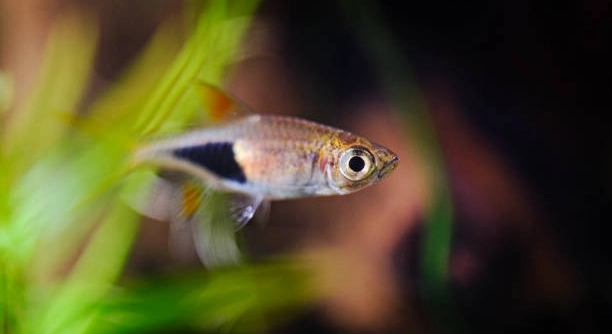
Are your aquariums filled with active rasboras, yet you notice they avoid brightly lit areas? Many fish owners encounter this behavior, leaving them wondering why their small, colorful companions shy away from lighted spaces. Rasboras tend to avoid lighted areas primarily due to stress and natural instincts. Bright lighting can trigger a sense of exposure, … Read more

Can Rasboras Feel Shock from Water Changes?

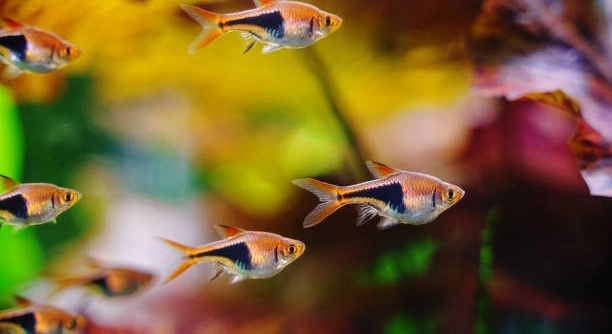
Many fish owners enjoy keeping small, peaceful species like rasboras. Maintaining their tank often involves water changes, but sudden shifts in water conditions can sometimes cause stress for these delicate fish. Rasboras can experience shock from abrupt water changes. Sudden differences in temperature, pH, or chemical composition can stress their bodies, affecting their swimming behavior, … Read more

7 Daylight Patterns That Impact Activity

Do you notice how your energy changes throughout the day and wonder why some hours feel more productive than others? Daylight plays a subtle but powerful role in shaping our daily activity and focus levels. Daylight patterns influence human activity through circadian rhythms, hormonal responses, and environmental cues. Exposure to natural light at specific times … Read more

7 Things Rasboras Do When They’re Curious

Rasboras are small, active fish that bring life to any aquarium. Their behavior can be subtle yet engaging, showing glimpses of personality that many fish owners find fascinating and charming in daily observation. When rasboras are curious, they often explore new objects, swim closer to movements, inspect unfamiliar areas, and interact with tank mates. These … Read more

7 Feeding Habits to Watch in Rasboras

Rasboras are small, colorful fish that brighten home aquariums. Their feeding habits can affect their health and behavior. Observing how they eat helps ensure they thrive and maintain vibrant colors, making your aquarium a lively display. Monitoring feeding habits in rasboras is essential for maintaining their health and preventing nutritional imbalances. Key behaviors include eating … Read more

Why Is My Rasbora Chasing Others?

Is your rasbora darting around the tank and chasing its tank mates, leaving ripples of tension in the water? Observing this behavior can be surprising, especially when you expect your fish to swim peacefully together. Rasboras may chase other fish due to territorial instincts, social hierarchy establishment, or stress caused by overcrowding or inadequate tank … Read more

Why Is My Rasbora Breathing Heavily?

Are your rasboras showing signs of heavy breathing, flaring gills, or unusual swimming patterns in the tank? Observing these changes can be concerning for any fish owner, as they often signal underlying issues in their aquatic environment. Heavy breathing in rasboras is typically caused by low oxygen levels, poor water quality, or disease. Identifying the … Read more

Can Rasboras Thrive in Planted Tanks?

Rasboras are small, peaceful fish that add vibrant colors to any aquarium. They adapt well to a variety of water conditions and enjoy swimming in groups, making them a lively addition to planted tanks. Their calm nature complements lush greenery. Rasboras can thrive in planted tanks when provided with stable water parameters, moderate lighting, and … Read more

7 Subtle Shifts in Rasbora Schooling Behavior

Have you ever watched a school of rasboras glide through your aquarium and noticed subtle differences in their movements? These small shifts can indicate changes in their environment, mood, or overall health. Observing them carefully reveals fascinating patterns. Rasbora schooling behavior can shift subtly due to factors such as water quality, social dynamics, feeding routines, … Read more

7 Feeding Tricks for Picky Rasboras

Keeping rasboras happy and healthy can sometimes be tricky, especially when they turn up their noses at food. Feeding these small fish requires patience, observation, and a few thoughtful strategies to ensure they thrive. Picky rasboras often refuse meals due to stress, tank conditions, or food type. Adjusting feeding schedules, offering varied textures, and introducing … Read more