7 Reasons Rasboras Lose Interest in Food

Many fish owners enjoy watching their rasboras swim gracefully while feeding, but sometimes these lively fish suddenly lose interest in food. This change can be worrying, as it may indicate underlying health or environmental concerns. Rasboras can stop eating for several reasons, including poor water quality, stress from overcrowding or sudden changes, illness, inadequate diet, … Read more
7 Things Rasboras Do When Exploring Plants

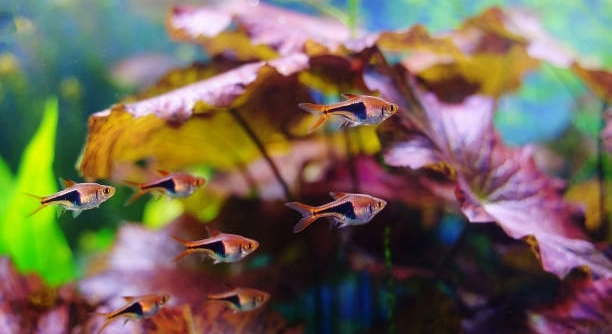
Rasboras are small, active fish that often explore the plants in their aquarium. They weave through leaves and stems, seemingly curious about their surroundings. Watching their interactions can be both calming and entertaining for aquarium owners. When exploring plants, rasboras typically swim between stems, nibble lightly on leaves, rest among foliage, inspect hiding spots, interact … Read more

Why Are My Rasboras Less Active Today?

Have you ever noticed your rasboras swimming less than usual and acting unusually calm in their tank? Sometimes these tiny fish change their behavior, leaving you concerned about their health and overall environment in the aquarium. The reduced activity of rasboras is often linked to changes in water conditions, temperature fluctuations, stress from overcrowding, or … Read more

7 Reasons Rasboras Shouldn’t Be Kept Alone

Rasboras are small, social fish that thrive on calm companionship in shared tanks. Keeping them alone may seem harmless, yet it can quietly affect their behavior, health, and overall comfort in ways many aquarists overlook. Rasboras should not be kept alone because they are shoaling fish that rely on group dynamics for stability. Isolation often … Read more

Do Rasboras Prefer Dim or Bright Tanks?

Have you ever noticed your rasboras behaving differently under various lighting conditions, from calm schooling to shy hiding, while adjusting your aquarium setup to create a balanced environment that supports comfort, color, and natural behavior. Rasboras generally prefer dimly lit tanks because subdued lighting reduces stress, enhances natural coloration, and mirrors shaded habitats. Bright lighting … Read more

7 Reasons Your Rasbora Isn’t Eating (+Fixes)

Are your rasbora refusing food even though the tank seems calm and clean? Appetite loss in small fish can feel worrying, especially when routines have not changed and meals go untouched for days on end. Reduced feeding in rasboras is most commonly caused by environmental stress, inappropriate water parameters, or unsuitable diet composition. These factors … Read more

7 Safe Decorations Rasboras Swim Through

Do you ever find yourself arranging your aquarium and worrying if your rasboras can swim safely among the decorations? Choosing the right ornaments is essential to maintain both beauty and the health of your fish. Safe decorations for rasboras include smooth stones, live or silk plants, driftwood without sharp edges, rounded ceramic ornaments, gentle gravel, … Read more

7 Causes of Color Loss in Rasboras

Rasboras are small, colorful fish that brighten up any aquarium. Watching them swim gracefully is relaxing, but sometimes their vibrant colors start to fade, leaving owners worried about their health and well-being in the tank. Color loss in rasboras can result from various factors including poor nutrition, stress, inadequate lighting, disease, water quality issues, aging, … Read more

7 Tiny Tank Upgrades with Big Rasbora Impact

Are your tiny Rasboras not thriving as well as you hoped in your aquarium? Small changes in their environment can make a big difference in their behavior, health, and overall happiness in the tank. Implementing minor tank upgrades, such as adding live plants, adjusting water flow, and providing appropriate hiding spots, can significantly enhance Rasbora … Read more

How to Spot a Dominant Rasbora in a Group

Rasboras are small, active fish that often live in groups, creating a lively and colorful display in home aquariums. Observing their interactions can be both relaxing and revealing, showing patterns of behavior among the school. A dominant rasbora can be identified by its consistent assertive behavior, including chasing or nudging other fish, occupying prime swimming … Read more