
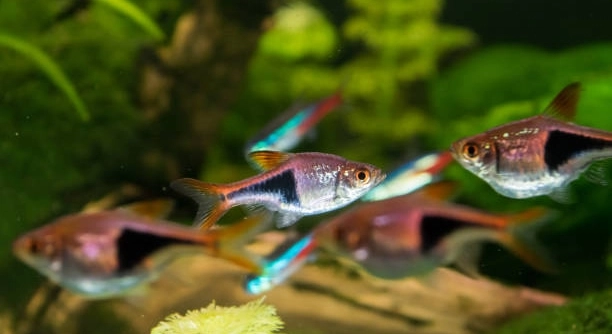
Rasboras are small, active fish that often live in groups, creating a lively and colorful display in home aquariums. Observing their interactions can be both relaxing and revealing, showing patterns of behavior among the school.
A dominant rasbora can be identified by its consistent assertive behavior, including chasing or nudging other fish, occupying prime swimming areas, and displaying brighter coloration. These traits allow it to establish hierarchy and influence the activity within the group.
Recognizing dominance in rasboras helps maintain a balanced tank environment and ensures the well-being of all fish in the community.
Understanding Rasbora Social Behavior
Rasboras are naturally social, schooling fish that rely on group dynamics to feel secure. Observing their swimming patterns provides insight into the hierarchy within the tank. Dominant individuals often take the center or top of the group, asserting their presence through movement and positioning. Less dominant fish tend to stay near the edges or in the background. These behaviors help maintain stability, reducing conflict within the school. By paying attention to subtle cues such as chasing, nudging, or slight fin displays, you can identify which fish leads and which follow. Understanding these interactions allows you to provide a more balanced environment, ensuring all fish can thrive. Providing plenty of hiding spots and open swimming areas helps mitigate stress and gives less dominant fish room to retreat when needed. Consistency in tank maintenance, feeding, and monitoring behavior supports a calm, well-ordered aquarium. Observing daily routines makes it easier to spot changes or emerging tensions before they escalate.
Dominant rasboras often assert themselves early in the day. Recognizing their patterns helps maintain group balance efficiently.
Maintaining harmony in a rasbora group requires careful observation and thoughtful adjustments. By noting which fish controls space, you can manage tank layout to minimize conflicts. Providing even distribution of food and unobstructed swimming areas reduces aggressive encounters. Occasionally rotating décor or rearranging plants can prevent the same fish from claiming all prime positions. It is essential to monitor interactions, as dominance can shift over time. Stress in less dominant fish may manifest as hiding, color fading, or loss of appetite. Early recognition allows for corrective action, such as separating overly aggressive individuals temporarily. Ensuring water quality, temperature, and diet consistency supports the overall health of all fish. By creating a structured environment with predictable routines, you encourage natural behavior and reduce unnecessary stress. This approach fosters a balanced community where each rasbora can thrive according to its role in the hierarchy.
Recognizing Physical and Behavioral Indicators
Dominant rasboras often show brighter colors and more confident movements. Watching these signs daily makes identification easier.
Physical appearance and movement patterns are key indicators of dominance. Bright, consistent coloration often signals a healthy, confident fish. Dominant individuals swim more openly, rarely hiding, and frequently lead group movement. They may chase or lightly nip other fish, establishing their status without causing harm. Fin posture, body position, and territory preference provide additional cues. Observing how they interact during feeding or when navigating the tank highlights hierarchy. Less dominant fish may display subdued colors, slower movements, or hesitation around prime areas. Recognizing these patterns allows adjustments in tank setup, feeding routines, and space allocation. By monitoring these subtle behaviors, you can prevent stress-related issues, ensure equitable access to resources, and maintain a peaceful, thriving group. Documenting daily observations helps track changes over time, giving a clearer picture of social dynamics and enabling timely interventions to support all fish. Consistent care, attention, and understanding of these indicators create a healthy, balanced tank environment.
Managing Aggression in a Rasbora Group
Aggressive behavior among rasboras can disrupt harmony. Identifying the dominant fish early helps prevent stress and reduces the likelihood of injuries in less assertive individuals.
Adjusting tank layout can minimize conflict. Adding plants, decorations, or floating structures provides hiding spots and breaks line-of-sight between fish. Feeding routines also matter. Distributing food evenly prevents dominant fish from monopolizing meals, reducing tension. Monitoring interactions during feeding can reveal early signs of bullying or excessive chasing. In some cases, separating overly aggressive individuals temporarily allows the group to regain balance. Keeping water quality high and maintaining a consistent environment supports calmer behavior. Observing subtle changes in posture, fin position, or chasing patterns ensures intervention occurs before stress escalates.
Stress management goes beyond space and food. Maintaining stable water temperature, proper filtration, and regular cleaning prevents conditions that trigger aggression. Less dominant fish require areas to retreat safely, which reduces hiding-related stress and allows them to feed without competition. Rotating décor occasionally prevents territory fixation. Tracking behavior over time helps understand shifts in hierarchy and lets you adjust strategies promptly. Balancing group dynamics supports long-term health, reduces injury risk, and encourages natural schooling patterns. Properly managed, the group remains active, visually appealing, and harmonious, benefiting both dominant and subordinate individuals alike.
Feeding Strategies for Dominant and Subordinate Rasboras
Feeding routines influence dominance and behavior in the tank. Ensuring all fish have access to food reduces conflict and promotes overall health.
Distributing food in multiple areas allows subordinate fish to feed safely while preventing a dominant fish from taking over. High-quality flake, micro-pellet, and occasional live or frozen foods satisfy dietary needs. Observing feeding behavior provides insight into social dynamics, showing which fish consistently assert control. Smaller portions spread across the tank can prevent overcrowding in one area. Timing also matters; feeding at consistent times reduces anxiety and competition. Supplemental feeding with occasional sinking pellets reaches fish that stay near the bottom, ensuring no one is left out. Tracking feeding patterns helps identify if dominance is affecting nutrition.
Maintaining a consistent schedule supports calm interactions. Sudden changes in diet or feeding times can trigger stress or aggression. Rotate food types to meet nutritional requirements and encourage natural foraging behaviors. Providing open swimming areas during feeding reduces territorial disputes, while dense plant clusters offer retreat options. Feeding strategies can influence hierarchy subtly, giving less dominant fish a fair chance to thrive. Monitoring intake ensures each fish gets adequate nutrition, promoting healthy growth and vibrant coloration. Over time, these adjustments improve tank harmony and support the physical and behavioral well-being of all rasboras in the group.
Observing Subtle Signs of Dominance
Subtle signs often indicate a dominant rasbora without overt aggression. Watch for consistent positioning, confident swimming, and small nudges toward other fish. These behaviors reveal hierarchy and influence the group’s dynamics.
Color intensity can also signal dominance. Brighter hues often correlate with higher status, while less dominant fish may appear duller and more cautious.
Adjusting Tank Environment
Modifying the tank layout can reduce stress and aggressive interactions. Adding plants, rocks, and hiding spaces creates areas for retreat, allowing less dominant fish to avoid constant pressure. Proper spacing and visual barriers help maintain group stability. Regular observation ensures these adjustments are effective.
Monitoring Health and Behavior
Regularly check all rasboras for signs of stress or injury. Dominant fish can inadvertently cause harm, so monitoring ensures quick action if issues arise. Maintaining clean water, proper diet, and calm conditions supports overall health and balanced interactions.
Consistency in Routine
Consistency in feeding, cleaning, and lighting helps reduce stress and maintains predictable group behavior, supporting a stable environment for all fish.
How can I tell which rasbora is dominant?
Dominant rasboras show consistent assertive behavior. They often swim in central or elevated areas, chase or nudge other fish, and display brighter coloration. Watching daily interactions, especially during feeding or movement around the tank, makes it easier to identify which fish leads the group.
Is it normal for a dominant rasbora to chase others?
Yes, chasing is a natural way to establish hierarchy. It is typically brief and not harmful, serving to remind other fish of their place in the group. Persistent or aggressive chasing that causes injury may require intervention, such as adding hiding spots or rearranging tank décor.
Can a dominant rasbora stress out other fish?
Yes, less dominant fish may exhibit hiding, reduced activity, or faded colors when stressed. Ensuring adequate space, visual barriers, and evenly distributed food helps reduce stress. Temporary separation of overly aggressive individuals can also restore balance within the school.
Do dominant rasboras eat more than others?
They can, especially if food is only offered in one area. Distributing food across multiple spots ensures all fish get access and reduces competition, supporting healthier growth and balanced nutrition for subordinate individuals.
How often does dominance change in a group?
Dominance is not fixed and can shift over time. Changes may occur due to age, health, or behavior. Monitoring interactions regularly helps identify new dominant individuals and maintain a stable, harmonious environment.
Are there physical differences between dominant and subordinate rasboras?
Dominant fish often appear brighter, more vibrant, and display confident movements. Subordinate fish may be smaller, less colorful, or avoid central swimming areas. These visual cues, combined with behavioral observation, provide a clear understanding of social hierarchy.
Should I separate a dominant rasbora from the group?
Separation is only necessary if aggression becomes harmful. Temporary separation allows less dominant fish to regain confidence. Afterward, they can be reintroduced gradually, ensuring the tank environment supports calm, natural interactions.
Can tank setup influence dominance behavior?
Yes, the arrangement of plants, rocks, and open spaces affects how fish establish territory and hierarchy. Hiding spots and visual barriers reduce conflicts and provide less dominant fish with safe areas to retreat. Proper spacing and layout encourage natural schooling behavior.
Does diet impact dominance?
Providing a consistent diet and spreading food across the tank prevents dominant fish from monopolizing meals. High-quality flake, micro-pellets, and occasional live or frozen foods meet nutritional needs and reduce aggressive feeding behaviors. Monitoring intake ensures all fish receive adequate nutrition.
How do I maintain harmony in a rasbora group?
Regular observation, stable routines, and a well-structured tank support group harmony. Adjusting décor, providing hiding areas, distributing food evenly, and maintaining water quality all contribute to a calm, balanced environment where each fish can thrive.
Can stress in subordinate fish affect their health?
Yes, prolonged stress can cause color fading, loss of appetite, or slowed growth. Creating safe spaces, consistent routines, and gentle monitoring minimizes stress and supports the overall well-being of the entire group.
What role does daily observation play?
Daily monitoring helps detect shifts in hierarchy, signs of stress, or potential injuries early. It allows for timely adjustments in feeding, tank layout, or behavior management, ensuring a healthy and balanced group.
Are dominant rasboras always aggressive?
Not always. Dominance is often expressed subtly through positioning, swimming patterns, and slight nudges rather than overt aggression. Aggression only becomes concerning if it leads to harm or persistent stress in other fish.
How do I encourage natural behavior without promoting bullying?
Provide plenty of swimming space, hiding spots, and visual breaks. Feeding in multiple locations and maintaining a consistent routine supports natural hierarchy while reducing excessive conflict. Rotating décor occasionally prevents territory fixation and keeps behavior balanced.
Can introducing new fish affect dominance?
Yes, new additions can temporarily disrupt hierarchy. Introducing fish gradually, monitoring interactions, and providing extra hiding areas helps integrate newcomers while minimizing stress and aggression.
What signs indicate that dominance is negatively affecting the group?
Signs include constant chasing, injured or faded fish, hiding, loss of appetite, or uneven growth. Immediate adjustments in tank setup, feeding, or temporary separation are necessary to restore balance and prevent long-term stress.
How do water quality and tank maintenance influence behavior?
Clean water, stable temperature, and proper filtration reduce stress, which in turn minimizes aggressive behavior. Consistent maintenance supports calmer interactions, healthier fish, and more predictable social dynamics.
Can dominant rasboras coexist peacefully with other species?
Yes, as long as tank mates are similarly sized, non-aggressive, and compatible in temperament. Monitoring interactions and providing enough space and hiding areas ensures peaceful coexistence while maintaining hierarchy within the rasbora group.
Does lighting affect dominance display?
Lighting can influence visibility and color intensity. Brighter areas may encourage dominant fish to display more confidently, while shaded areas provide refuge for less assertive individuals. Adjusting lighting supports both visual health and social balance.
How long does it take to establish stable hierarchy?
Hierarchy forms quickly, often within the first few days of a new group, but subtle shifts can continue for weeks. Continuous observation ensures that the social structure remains healthy and that all fish are thriving.
Final Thoughts
Observing a group of rasboras reveals the natural social structure that develops over time. Dominant individuals assert their presence through confident movements, strategic positioning, and subtle interactions with other fish. These behaviors are not aggressive for no reason; they are part of a hierarchy that allows the group to function smoothly. Less dominant fish adjust their behavior accordingly, finding safe spaces to swim and feed without conflict. Understanding this balance is essential for anyone maintaining a rasbora tank, as it ensures all fish coexist peacefully and reduces stress-related health problems. Daily observation becomes an important habit, helping identify changes in behavior early and preventing potential issues before they escalate.
Maintaining a harmonious environment requires attention to both the physical setup and routine care. Providing adequate space, hiding spots, and visual barriers allows subordinate fish to feel secure while letting dominant individuals display natural behaviors without harming others. Feeding strategies also play a crucial role, as distributing food across multiple areas ensures fair access and prevents dominant fish from monopolizing resources. Monitoring water quality, temperature, and overall tank cleanliness supports calmer interactions and healthier fish. Over time, these combined efforts encourage natural schooling patterns and create a visually appealing, active aquarium where each rasbora thrives. Adjustments in décor or layout, even minor ones, can significantly influence social dynamics, giving all fish a fair chance to establish their place in the group.
Recognizing the signs of dominance and understanding their impact helps improve both the care of the fish and the overall tank environment. Dominant rasboras are not inherently aggressive; they simply follow instincts that guide their interactions within the group. By observing behavior, providing a well-structured environment, and maintaining consistent routines, you can reduce stress, prevent injuries, and support healthy growth for all fish. Patience and attention to detail make a noticeable difference, allowing the tank to function as a balanced ecosystem. Supporting each fish’s natural tendencies while maintaining fairness ensures a peaceful community that is enjoyable to watch and care for over the long term. This approach makes managing a rasbora group simpler, more predictable, and ultimately more rewarding, as every fish has a role and a space where it can thrive.

Hello,
If you enjoy the content that we create, please consider saying a "Thank You!" by leaving a tip.
Every little bit helps us continue crafting quality advice that supports the health, happiness, and well-being of pets around the world, for pets of all shapes, sizes, and species.
We really appreciate the kindness and support that you show us!