
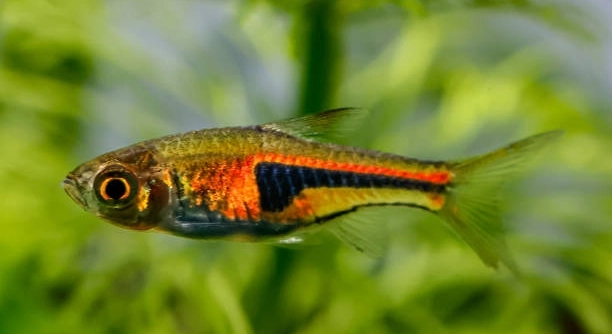
Are your tiny Rasboras not thriving as well as you hoped in your aquarium? Small changes in their environment can make a big difference in their behavior, health, and overall happiness in the tank.
Implementing minor tank upgrades, such as adding live plants, adjusting water flow, and providing appropriate hiding spots, can significantly enhance Rasbora well-being. Each modification directly influences their stress levels, activity, and social interactions, ultimately promoting a healthier and more vibrant tank ecosystem.
Even subtle improvements can create noticeable changes in your Rasboras’ daily life, encouraging a livelier and more harmonious aquarium environment for your fish.
Adding Live Plants
Live plants bring natural beauty and function to a Rasbora tank. They provide shelter and hiding spots, reducing stress and giving fish a sense of security. Plants also help maintain water quality by absorbing nitrates and producing oxygen. Fast-growing species like hornwort or water wisteria are excellent choices because they require minimal maintenance while offering ample coverage. Floating plants, such as duckweed, can shade the tank and create a calmer environment. In addition to supporting fish health, plants encourage natural behaviors like exploring, grazing, and schooling. Their presence can also make feeding more interactive, as Rasboras navigate through the foliage to find food. Beyond the functional benefits, live plants enhance the tank’s aesthetic, making it a more enjoyable display in your home. Selecting hardy, low-light plants ensures longevity and reduces the risk of decay affecting water quality. Proper placement and regular trimming keep the tank visually balanced and functional.
Adding plants improves both comfort and tank health for Rasboras.
Consistently maintaining live plants involves monitoring growth and removing decaying leaves. Overcrowding can limit swimming space, so spacing plants carefully is essential. Combining taller background plants with shorter foreground species creates depth and visual interest. Floating plants reduce light intensity, helping timid Rasboras feel secure. Using nutrient-rich substrate supports plant growth and reduces algae problems. Trimming and pruning ensure healthy development while preserving hiding spaces. Selecting plants suited to the tank’s temperature and water parameters minimizes stress. Observing Rasboras interacting with plants helps gauge comfort and tank suitability. Over time, a well-planted tank promotes natural behavior, vibrant coloration, and improved overall health. Plants also contribute to water stability, assisting in chemical balance and oxygenation. Even minor plant additions can transform a basic tank into a dynamic habitat, making care routines smoother. Integrating plants thoughtfully encourages a thriving, balanced ecosystem for small schooling fish.
Upgrading Hiding Spots
Rasboras need hiding spaces to feel safe and secure.
Adding caves, driftwood, or dense foliage reduces stress and mimics natural habitats.
Hiding spots provide shelter during molting or illness, giving fish a retreat when feeling vulnerable. Using driftwood or smooth rocks creates natural crevices while preventing injury. Small caves and ceramic ornaments offer compact shelter without overcrowding the tank. Positioning hiding spots near plants or along the tank edges gives Rasboras quick access when startled. Varying sizes and locations encourage exploration and social interaction. Observing their use helps determine which designs are most effective. Combining natural and artificial elements allows customization for aesthetics and functionality. Regularly cleaning decorations prevents buildup and keeps the environment healthy. Properly arranged hiding areas can reduce aggression among fish by allowing escape routes. Even minor adjustments, like rotating ornaments or adding new plants, refresh the tank environment. Over time, these spaces enhance fish confidence, stimulate activity, and improve overall wellbeing, supporting both physical health and natural behavior patterns in your Rasbora school.
Adjusting Water Flow
Rasboras prefer gentle water movement.
Strong currents can stress them and disrupt schooling behavior. Using a sponge filter or adjusting the filter output creates a calmer environment. Soft flow allows Rasboras to swim naturally, explore the tank, and feed without difficulty. Observing their swimming patterns helps determine the best flow rate.
Water flow affects oxygen distribution and debris movement. Moderate flow prevents stagnant areas while avoiding excessive turbulence that can tire the fish. Positioning decorations and plants strategically can break strong currents and create calm zones. Flow adjustments should consider tank size, filtration type, and plant density. A well-balanced flow supports fish health, reduces stress, and promotes natural schooling.
Gentle water currents enhance tank cleanliness and fish comfort. By mimicking natural stream conditions, Rasboras exhibit brighter colors, improved activity, and calmer interactions. Flow control contributes to overall ecosystem stability.
Optimizing Lighting
Proper lighting supports Rasbora health and plant growth.
A consistent day-night cycle reduces stress and encourages natural activity patterns. LED or fluorescent lights provide adequate illumination without overheating. Positioning lights to prevent glare helps shy fish feel secure.
Lighting impacts both fish and plants in the aquarium. Plants need sufficient light for photosynthesis, which contributes to oxygenation and nutrient balance. Too intense lighting can cause algae growth and make Rasboras hide more often. Timers help maintain a regular schedule, ensuring predictable light exposure. Observing fish during different lighting conditions can highlight stress signs or activity changes. Adjusting brightness and duration carefully ensures plants thrive without overwhelming the fish, balancing aesthetics and functionality. Correct lighting also enhances coloration and showcases the tank’s layout.
Balancing light intensity and duration promotes natural behavior. Well-lit tanks encourage exploration, support plant health, and maintain a visually appealing environment for Rasboras.
Upgrading Substrate
A soft, fine substrate is ideal for Rasboras.
Sand or smooth gravel prevents injury and supports natural foraging behavior.
Adding Floating Plants
Floating plants provide shade and comfort.
They create calm areas in the tank, helping timid Rasboras feel safe.
Using a Gentle Filter
A gentle filter maintains water quality without stressing fish.
Choosing a sponge filter or adjusting output ensures minimal current while removing debris efficiently. Proper filtration supports stable water parameters and keeps Rasboras healthy and active.
Incorporating Leaf Litter
Leaf litter offers natural hiding spots and enriches the tank environment.
It slowly decomposes, releasing beneficial tannins that slightly acidify water, supporting Rasbora well-being.
FAQ
How often should I perform water changes for Rasboras?
Performing regular water changes is crucial to keep the tank clean and stable. A 20-30% water change every week is ideal for a small Rasbora tank. Larger tanks may require less frequent changes, but monitoring water parameters is essential. Water changes remove excess nitrates, reduce waste buildup, and help maintain a balanced environment, which keeps Rasboras healthy and active. Using dechlorinated water with similar temperature to the tank prevents stress during changes. Consistency is key, as sudden large changes can shock the fish and disrupt the ecosystem.
Can Rasboras live with other fish species?
Rasboras are generally peaceful and can coexist with other small, non-aggressive fish. Suitable tankmates include small tetras, danios, and dwarf gouramis. Avoid housing them with larger or aggressive species, as this can lead to stress, injury, or bullying. Providing plenty of hiding spots and open swimming areas helps all species share the space comfortably. Observing behavior after introducing new fish ensures compatibility and reduces potential conflicts. Proper schooling of Rasboras, ideally in groups of six or more, also helps them feel secure in a community setup.
What is the best diet for Rasboras?
Rasboras thrive on a varied diet that includes high-quality flakes, micro pellets, and live or frozen foods such as daphnia, brine shrimp, or bloodworms. Feeding small portions 1-2 times daily prevents overfeeding and maintains water quality. Offering occasional plant-based foods, like spirulina flakes, helps support overall health. Observing their feeding habits ensures all fish are eating properly and reduces waste accumulation. Maintaining a consistent feeding schedule encourages healthy growth, vibrant coloration, and active behavior in the tank.
How do I prevent stress in Rasboras?
Stress can weaken Rasboras’ immune systems and make them more susceptible to illness. Maintaining stable water parameters, gentle filtration, and proper schooling reduces stress. Hiding spots, live plants, and calm lighting help fish feel secure. Avoid sudden temperature changes or rapid tank rearrangements, as Rasboras are sensitive to environmental shifts. Observing behavior regularly allows early detection of stress signs, such as hiding, loss of appetite, or erratic swimming. Reducing stress ensures healthier fish, stronger immunity, and improved coloration over time.
Why are my Rasboras losing color?
Color loss often indicates stress, poor diet, or suboptimal water conditions. Ensuring a balanced diet rich in carotenoids and vitamins supports vibrant coloration. Stable water temperature, proper pH, and adequate hiding spots reduce stress-related fading. Schools of at least six Rasboras enhance natural behavior and color display. Sometimes, inadequate lighting or overcrowding also affects their appearance. Addressing these factors restores health and helps fish regain natural vibrancy. Regular monitoring of water parameters, feeding, and tank setup prevents long-term color loss and supports overall well-being.
What tank size is suitable for Rasboras?
A minimum of 10 gallons is recommended for a small school of Rasboras, though larger tanks provide more swimming space and stability. More space reduces stress, allows natural schooling, and supports better water quality. Tanks with proper filtration, plants, and hiding spots create an environment closer to their natural habitat. Overcrowding leads to aggression, stress, and increased maintenance. Considering tank mates and decorations also affects space needs. Planning ahead ensures a comfortable and sustainable environment that promotes health, activity, and vibrant coloration for Rasboras over time.
How do I know if my Rasboras are healthy?
Healthy Rasboras are active, brightly colored, and swim in coordinated schools. They eat regularly and show curiosity without excessive hiding. Clear eyes, intact fins, and smooth scales indicate good health. Monitoring for signs of disease, stress, or abnormal behavior ensures early intervention. Maintaining clean water, a proper diet, and suitable tank conditions supports overall well-being. Regular observation and prompt attention to changes help prevent minor issues from becoming serious problems, ensuring a thriving, lively tank environment.
Can I breed Rasboras in a home aquarium?
Breeding Rasboras requires separate spawning tanks with slightly acidic, soft water and controlled lighting. Providing fine-leaved plants or spawning mops gives females a safe place to lay eggs. Temperature around 78-80°F encourages breeding. Eggs should be protected from adults to prevent predation. Raising fry involves feeding infusoria or micro foods until they are large enough for standard foods. Careful attention to water quality and feeding ensures survival and healthy development of the young. Breeding can be rewarding but requires patience, planning, and observation.
Caring for Rasboras involves attention to small details that have a big impact on their health and behavior. Simple upgrades in a tank can improve water quality, reduce stress, and create an environment where fish feel secure. Elements like live plants, hiding spots, and gentle water flow mimic their natural habitat and encourage natural behaviors such as schooling, exploring, and foraging. Even minor changes, such as adding floating plants or leaf litter, can create calm zones and give Rasboras places to retreat when they feel threatened. Observing how your fish interact with these changes helps ensure the tank remains comfortable and functional. Each adjustment contributes not only to their well-being but also to a more attractive and lively aquarium. By prioritizing a safe and stable environment, Rasboras are more likely to show vibrant colors, active swimming, and healthy growth over time.
Maintaining consistent water parameters is another critical aspect of Rasbora care. Regular water changes, proper filtration, and monitoring pH, temperature, and nitrate levels prevent sudden stress and disease outbreaks. Gentle filtration, paired with carefully adjusted water flow, helps keep the tank clean without overwhelming the fish. Tankmates should be chosen thoughtfully to avoid aggression or overcrowding, ensuring a peaceful community. Feeding a balanced diet that combines high-quality flakes, pellets, and occasional live or frozen foods supports healthy development and coloration. Watching feeding behavior allows you to gauge the health of each fish and adjust portions to prevent waste buildup, which can negatively affect water quality. Stability, attention, and careful observation are key to creating a thriving environment. Consistent maintenance and thoughtful design make the tank a place where Rasboras can display their natural behaviors fully.
Ultimately, tiny tank upgrades can make a noticeable difference in Rasbora care. Investing in live plants, hiding spots, proper substrate, lighting, and gentle filtration creates a habitat that meets both their physical and behavioral needs. Over time, these improvements support their health, reduce stress, and enhance their natural beauty. Observing their behavior and responding to their needs helps ensure a lively, active, and harmonious aquarium. Even small adjustments, when done thoughtfully, can transform a standard tank into a more dynamic and balanced ecosystem. By combining careful planning, regular maintenance, and attention to detail, it becomes possible to create a comfortable and enriching environment that allows Rasboras to thrive and display their full potential. These upgrades are practical, achievable, and ultimately rewarding for both the fish and the caretaker.

Hello,
If you enjoy the content that we create, please consider saying a "Thank You!" by leaving a tip.
Every little bit helps us continue crafting quality advice that supports the health, happiness, and well-being of pets around the world, for pets of all shapes, sizes, and species.
We really appreciate the kindness and support that you show us!