Are Rasboras Affected by Low Oxygen?

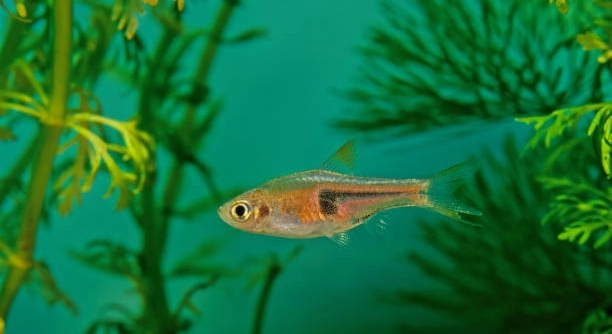
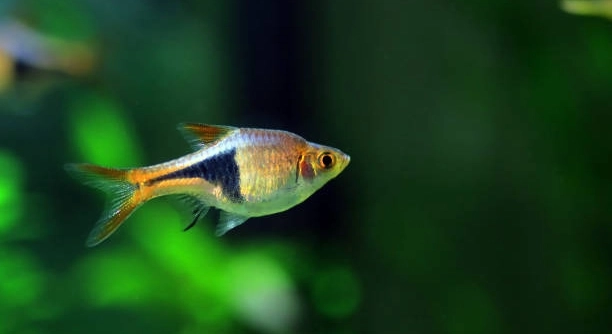
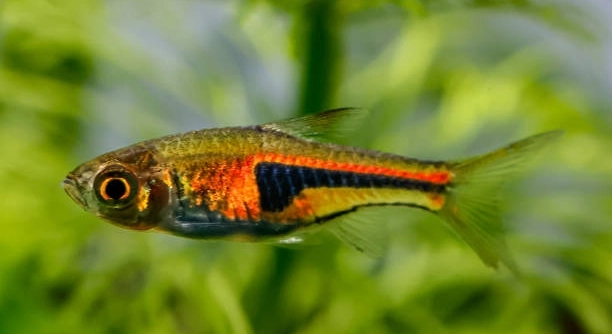
Are your rasboras swimming sluggishly or gathering at the surface more than usual? Low oxygen in the aquarium can subtly affect their behavior and overall health, even when everything else seems normal. Watching them carefully helps ensure their comfort. Rasboras are significantly affected by low oxygen levels. Reduced oxygen availability can cause stress, slower metabolism, … Read more
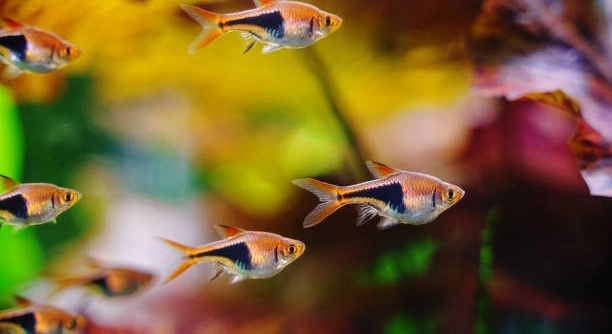
7 Easy Signs of Peaceful Rasbora Schools

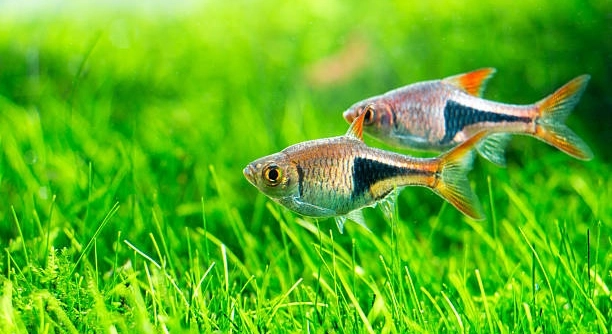
Keeping a home aquarium can be a relaxing hobby, especially when you enjoy watching small fish swim gracefully. Peaceful rasbora schools bring life and calm to any tank, making them a popular choice for hobbyists everywhere. Their gentle nature creates a soothing environment without aggression. Peaceful rasbora schools can be identified by seven clear signs: … Read more

Are Rasboras Sensitive to Water Vibrations?

Have you ever noticed your rasboras swimming nervously in their tank when someone walks by or taps the glass? These small fish seem alert to subtle changes in their environment and react quickly to any disturbance. Rasboras are sensitive to water vibrations, using their lateral line system to detect movement and changes in their surroundings. … Read more

7 Interesting Facts About Rasbora Behavior

Rasboras are small, colorful fish that bring life to home aquariums. Their lively movements and social behavior make them enjoyable to watch for both new and experienced fishkeepers. They often interact with each other in fascinating ways. Rasboras display a variety of social and feeding behaviors, including shoaling for safety, coordinated swimming, and selective foraging. … Read more

How to Handle Rasbora Aggression

Rasboras are usually peaceful fish, but sometimes they display unexpected aggression towards tank mates. This behavior can disrupt the harmony of your aquarium and make caring for them more challenging than anticipated. Managing rasbora aggression requires observing their behavior closely and making adjustments to tank conditions. Factors such as overcrowding, lack of hiding spaces, or … Read more

7 Signs Rasboras Like Their Current Setup

Rasboras are small, active fish that bring life to any aquarium. Observing their behavior can help you understand if they are comfortable and thriving in their current environment. Healthy fish usually display consistent, calm activity patterns. Rasboras exhibit several behaviors that indicate satisfaction with their tank conditions. Regular swimming, schooling, active feeding, and minimal stress … Read more

What Makes Rasboras Prefer Certain Areas?

Rasboras are small, peaceful fish that often prefer certain areas of an aquarium over others. Their behavior can seem random, but it is influenced by their comfort, safety, and natural instincts in the tank environment. Rasboras typically favor areas with moderate lighting, gentle water flow, and places to hide. These factors mimic their natural habitats, … Read more

7 Behavioral Shifts to Watch After Feeding

Feeding time can change more than just a pet’s hunger level. Many animals show subtle shifts in behavior that often go unnoticed. Observing these changes can help owners better understand their pet’s daily routines and needs. After feeding, pets often display measurable behavioral shifts including increased rest, reduced activity, social engagement changes, and altered attention … Read more

Can Rasboras Thrive in Outdoor Ponds?

Outdoor ponds can add a lively touch to any garden, and small, colorful fish often make them more enjoyable. Rasboras are popular for their peaceful nature and bright appearance, making them an attractive choice for pond enthusiasts. Rasboras can survive in outdoor ponds if the water temperature, quality, and shelter are properly maintained. They require … Read more

7 Natural Foods to Boost Rasbora Color

Rasboras are small, vibrant fish that bring life to any aquarium. Their colors can fade if their diet lacks certain nutrients, affecting the overall beauty of your aquatic setup and enjoyment. Feeding rasboras natural foods rich in carotenoids, proteins, and vitamins can enhance their coloration. Ingredients such as spirulina, daphnia, and krill provide essential pigments … Read more