
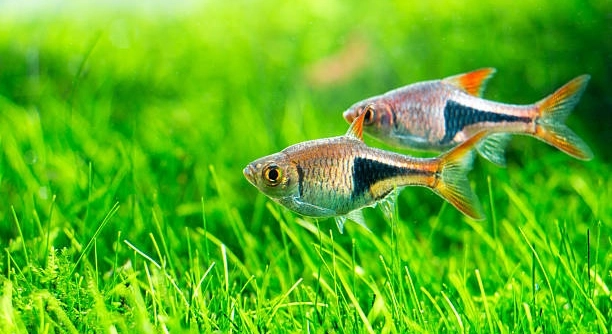
Keeping a home aquarium can be a relaxing hobby, especially when you enjoy watching small fish swim gracefully. Peaceful rasbora schools bring life and calm to any tank, making them a popular choice for hobbyists everywhere. Their gentle nature creates a soothing environment without aggression.
Peaceful rasbora schools can be identified by seven clear signs: coordinated swimming, minimal chasing or nipping, calm interactions with other fish, consistent group movement, even distribution throughout the tank, lack of stress indicators, and a relaxed feeding behavior that demonstrates harmony among members.
Observing these signs helps ensure your rasboras remain healthy and stress-free. Recognizing their behavior early allows you to maintain a calm, balanced aquarium environment for everyone.
Coordinated Swimming
Rasboras moving together in a synchronized pattern is one of the clearest signs of a peaceful school. I often watch them glide through plants and around decorations, almost as if they are performing a simple dance. Coordinated swimming shows that the fish feel safe and are comfortable in their environment. If one fish strays or suddenly darts, it usually signals stress or unease. Over time, the group develops its rhythm, and each fish adjusts its speed and direction to stay with the school. This behavior not only looks calming but also helps reduce aggression, as staying together makes them feel more secure. You might notice subtle changes in timing or spacing among individuals, which can be a natural adjustment rather than a problem. Observing this pattern daily provides reassurance that your aquarium setup is supporting their health and social needs, including adequate space and compatible tank mates. Consistency in behavior is a strong indicator of a harmonious school, reducing tension in the tank environment.
Watching coordinated swimming regularly confirms your rasboras are interacting peacefully, moving together without aggression, and showing normal, healthy social behavior in their tank.
Seeing them move as a unit is calming. It also makes me appreciate how much thought goes into creating a peaceful, well-planned aquarium. Keeping decorations and plants evenly spaced ensures they have clear paths to follow, reducing sudden collisions or stress. Coordinated movement reflects comfort, and small adjustments in the tank can enhance this behavior even further. Observing this pattern is both relaxing and informative.
Minimal Chasing and Nipping
Peaceful rasboras rarely chase or nip at each other, showing that their social structure is stable and non-aggressive.
When chasing or nipping occurs, it is usually brief and does not cause injury. In a calm school, each fish maintains personal space and avoids conflicts over food or territory. I’ve noticed that even during feeding times, rasboras can eat together without tension. Maintaining proper tank size and hiding spots reduces competition and keeps interactions gentle. Signs of aggression, such as sudden bursts of speed or fin damage, are rare in a well-maintained peaceful school. Monitoring their behavior helps you detect early stress or overcrowding issues. When aggression is low, the fish exhibit relaxed swimming patterns and healthy growth. Ensuring compatible tank mates is also important, as aggressive species nearby can trigger chasing behavior. Regular observation and careful tank management allow you to support a harmonious group. In such conditions, the school thrives, feeding and exploring together naturally. Patience and attention to detail create a tranquil environment that benefits the fish and makes watching them enjoyable.
Calm Interactions with Other Fish
Peaceful rasboras interact calmly with other species, rarely showing aggression or fear. Their presence in a community tank usually encourages harmony, and they often swim near compatible fish without stress or chasing.
I’ve noticed that when introducing rasboras to a tank with other small, non-aggressive fish, they adapt quickly. They maintain steady swimming patterns and avoid confrontations while exploring decorations and plants together. Their calm nature helps prevent sudden outbreaks of stress or panic among other tank mates. Rasboras often share feeding spaces without competing aggressively, which reduces tension and promotes a balanced environment. Proper tank size and hiding spots make it easier for all fish to coexist peacefully. By observing how they respond to newcomers, it’s easier to maintain a stress-free and healthy aquarium.
In my tank, rasboras seem to sense the temperament of other fish. If a new fish is more active, the rasboras adjust their pace, staying in safe zones until they feel secure. Their gentle behavior creates a relaxed atmosphere, and over time, all the fish move in harmony. Providing plants and small hiding areas enhances these interactions, ensuring everyone has space and reducing any potential conflicts. The balance of calmness is visible every day as the school glides around without chasing or flaring, showing how naturally peaceful they are when the environment supports them.
Consistent Group Movement
Rasboras maintain consistent group movement, sticking together instead of wandering alone. Their synchronized swimming shows stability and comfort within the school.
Observing them over time, I’ve seen that each fish adjusts its speed and spacing to match the others. This coordination prevents collisions and keeps the school intact. Even during feeding, they move as a group rather than scattering, demonstrating a stable social structure.
Consistent group movement also reflects their health and contentment. A school that splits frequently or shows erratic swimming may indicate stress, illness, or poor tank conditions. Maintaining proper water parameters, tank size, and compatible species supports this behavior. I’ve found that adding plants and open swimming areas encourages steady movement, as it provides safe paths and reduces competition. Watching the group stay together gives reassurance that the tank is balanced, and it highlights the natural rhythm of peaceful rasboras interacting with each other. Their movements are a subtle, yet clear, indicator of well-being and social harmony within the aquarium.
Even Distribution Throughout the Tank
Rasboras often spread evenly across the tank, avoiding overcrowding in one area. This behavior shows they are comfortable and confident in their space, moving freely without stress or fear.
Maintaining plants and open swimming areas helps them stay balanced. Each fish finds its own zone, preventing fights over territory or hiding spots.
Lack of Stress Indicators
Peaceful rasboras show few signs of stress, such as rapid darting, clamped fins, or hiding excessively. Calm, relaxed behavior indicates a healthy school.
I’ve noticed that a well-maintained tank keeps them swimming steadily, exploring, and interacting without tension. Stress signs are usually linked to poor water quality, overcrowding, or aggressive tank mates. Observing them daily helps prevent these issues.
Relaxed Feeding Behavior
Rasboras eat together calmly, without chasing or aggressive competition. This shows their social harmony and comfort in the tank.
FAQ
How many rasboras should I keep together?
Rasboras are schooling fish and feel safest in groups. I usually keep at least six in a standard aquarium. Smaller groups tend to show stress and may separate from the school, losing their natural synchronized swimming behavior. Larger groups improve movement patterns and social stability.
What tank size is best for a peaceful rasbora school?
A minimum of 20 gallons works for a small school, but bigger tanks are always better. More space allows the fish to spread out, explore, and maintain personal zones without conflict. Open swimming areas combined with plants help them move in harmony and reduce stress.
Can rasboras live with other species?
Yes, but only with peaceful tank mates. I have seen them thrive with small tetras, guppies, and corydoras. Avoid aggressive or territorial fish, as these can trigger chasing or hiding behavior. Rasboras need calm neighbors to maintain their natural schooling and relaxed feeding.
How do I know if my rasboras are stressed?
Stress shows in erratic swimming, hiding, or clamped fins. I always watch for these signs daily. Poor water quality, overcrowding, or aggressive tank mates are common causes. Correcting these issues quickly restores calm behavior and promotes a healthy school.
What do rasboras eat?
They accept a mix of flakes, micro-pellets, and live or frozen foods like daphnia or brine shrimp. I feed small amounts two to three times daily to prevent overfeeding. A balanced diet keeps them healthy, supports growth, and maintains their bright colors.
How often should I clean the tank?
Regular maintenance is essential. I perform partial water changes of 20-30% weekly and clean the substrate and decorations as needed. Keeping the water parameters stable reduces stress and prevents illness, which helps rasboras remain calm and behave naturally.
Can I keep different rasbora species together?
Yes, as long as they are similar in size and temperament. Mixing species like harlequin and glowlight rasboras works well. They often form one cohesive school if the tank is large enough and conditions are stable.
Do rasboras need hiding spots?
Yes, plants, rocks, and small decorations provide security. I include floating plants and dense foliage, giving them areas to retreat if they feel threatened. Hiding spots reduce stress, allow natural exploration, and encourage peaceful interactions.
How do I encourage coordinated swimming?
Keeping a proper group size and providing open swimming areas helps. I avoid sudden changes in tank layout and ensure compatible tank mates. Over time, rasboras naturally align their movements, and consistent observation reinforces their harmony.
Can feeding cause aggression?
It can if food is limited or large groups compete for the same spot. I spread food across the tank to prevent chasing and allow all fish to eat at their own pace. Calm feeding reflects a well-adjusted school.
What water conditions do rasboras prefer?
They thrive in slightly acidic to neutral water, with temperatures around 72-78°F. I monitor pH, temperature, and hardness regularly. Stable conditions prevent stress and promote natural schooling and relaxed behavior.
How long do rasboras live?
They typically live three to five years with proper care. Consistent water quality, a balanced diet, and a peaceful environment support longevity. I have seen schools thrive for several years with minimal issues when these factors are maintained.
Can rasboras breed in a community tank?
Yes, but it can be challenging. They scatter eggs among plants, and adults may eat some. I’ve found using a separate breeding tank increases success. Healthy, unstressed fish are more likely to spawn, and proper water conditions encourage egg-laying behavior.
Are rasboras active during the day or night?
They are diurnal and most active during daylight. I observe them swimming, exploring, and feeding throughout the day. Nighttime activity is minimal, and they often rest near plants or decorations. Providing a natural light cycle helps maintain this rhythm.
How do I introduce new rasboras to an established tank?
Acclimate slowly to avoid shock. I float the bag in the tank and gradually mix tank water over 30-60 minutes. This prevents sudden temperature or pH changes. Introducing a small group at once helps them integrate with the existing school and maintain calm behavior.
Keeping a peaceful rasbora school in a home aquarium can be a rewarding experience. These small fish bring life and movement to the tank while remaining gentle and calm. Observing them swim together in coordinated patterns is satisfying, and it provides a sense of balance in the aquarium. Maintaining a healthy environment is essential to keep their behavior natural and relaxed. Proper tank size, clean water, compatible tank mates, and hiding spots all contribute to the school’s overall well-being. Even small details, such as the placement of plants and decorations, can influence how comfortable they feel in their space. Over time, I have noticed that when these factors are carefully managed, the rasboras show less stress, interact peacefully, and display behaviors that are characteristic of a stable, harmonious school.
The social behavior of rasboras is an important part of their appeal. When they are in a suitable environment, the entire group moves together with consistency, rarely showing signs of aggression or tension. Feeding becomes a calm activity, with all the fish eating without competition or chasing. They distribute themselves evenly across the tank, exploring different areas without crowding one another. Their interactions with other peaceful species are gentle, allowing for a community tank that feels balanced and relaxed. Watching these patterns emerge is both informative and soothing. Stress indicators, such as clamped fins or rapid darting, are minimized when water parameters are stable, tank space is sufficient, and the fish are not disturbed by aggressive neighbors. By paying attention to these behaviors, it is easier to ensure the school remains peaceful and healthy.
Caring for a rasbora school requires patience and attention to detail, but it is a simple process once the basics are understood. Regular water changes, a varied diet, and proper tank maintenance go a long way in supporting their natural behaviors. Introducing new fish slowly, monitoring stress signs, and maintaining suitable tank conditions help the school thrive. Over time, the fish will develop a rhythm, and the aquarium will feel lively yet calm. The enjoyment of seeing a harmonious rasbora school is not just in their beauty but also in the sense of order and stability they bring to the tank. Maintaining this balance benefits the fish and enhances the overall experience of keeping them, creating an aquarium that is peaceful, healthy, and visually engaging.

Hello,
If you enjoy the content that we create, please consider saying a "Thank You!" by leaving a tip.
Every little bit helps us continue crafting quality advice that supports the health, happiness, and well-being of pets around the world, for pets of all shapes, sizes, and species.
We really appreciate the kindness and support that you show us!