
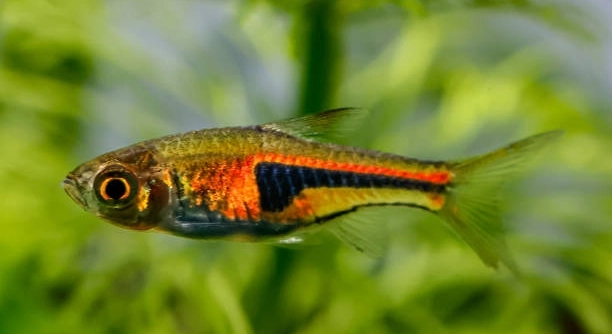
Rasboras are small, vibrant fish that bring life to any aquarium. Their colors can fade if their diet lacks certain nutrients, affecting the overall beauty of your aquatic setup and enjoyment.
Feeding rasboras natural foods rich in carotenoids, proteins, and vitamins can enhance their coloration. Ingredients such as spirulina, daphnia, and krill provide essential pigments and nutrients that directly influence the intensity and vibrancy of their hues.
Incorporating these foods consistently can transform their appearance and support their overall health. Understanding the right dietary choices ensures brighter, healthier rasboras.
Spirulina: A Natural Color Enhancer
Spirulina is a type of blue-green algae packed with carotenoids and proteins that enhance rasbora coloration. Including spirulina in their diet supports muscle development, immune function, and skin health. Its natural pigments, especially beta-carotene and phycocyanin, can deepen red, orange, and yellow tones in rasboras, making them more vivid. Feeding spirulina flakes or powdered spirulina mixed with other foods ensures consistent intake. Many aquarists notice brighter colors within a few weeks of regular feeding. Besides color, spirulina improves overall vitality, helping rasboras maintain energy and activity levels. It also supports digestive health by providing easily digestible nutrients, which reduces waste accumulation in the tank. Using high-quality, contaminant-free spirulina is essential to avoid introducing toxins. Small portions multiple times per week are enough to see noticeable effects. Its ease of use and significant impact on color make spirulina a staple in many rasbora diets, offering both visual appeal and health benefits.
Spirulina strengthens rasboras’ coloration by providing essential pigments and nutrients, enhancing red, orange, and yellow hues while supporting overall health and vitality in the aquarium environment.
Regular inclusion of spirulina can dramatically improve the intensity of your rasboras’ colors. Combining it with other natural foods ensures a balanced, nutrient-rich diet. Observing their behavior and activity can help adjust portions and frequency. Over time, consistent feeding routines establish healthier, more vibrant fish that display their natural brilliance, while also reducing stress and promoting longevity. Spirulina integrates easily into daily feeding, and pairing it with fresh or frozen options prevents dietary monotony. The impact is gradual but noticeable, creating an aquarium where each rasbora stands out.
Daphnia: Boosting Reds and Oranges
Daphnia are small freshwater crustaceans that are excellent for enhancing rasbora color. Their natural pigments and high protein content help deepen red and orange tones while promoting energy and vitality.
Feeding live or frozen daphnia ensures your rasboras receive nutrients for optimal coloration and growth.
Daphnia provide a natural source of carotenoids, which directly influence pigmentation. Including them in a varied diet supports overall health, strengthens the immune system, and encourages active swimming behavior. They are easy to feed in small amounts and are digested quickly, reducing waste buildup in the tank. Live daphnia can also stimulate natural hunting instincts, keeping fish engaged and active. Rotating daphnia with other protein-rich foods like brine shrimp or krill creates a balanced diet that supports both color and development. Their impact on red and orange hues is noticeable within weeks, especially when combined with leafy greens or spirulina. Providing a mix of live and frozen options ensures consistent nutrient delivery, making daphnia an effective, practical choice for vibrant rasboras.
Krill: Intensifying Reds
Krill is a protein-rich food that enhances red coloration in rasboras while supporting growth and energy levels. It is especially effective when fed in moderation alongside other natural foods.
Krill contains high levels of carotenoids, which directly influence red pigmentation in rasboras. Regular feeding can make red areas appear brighter and more vibrant. Additionally, krill provides essential amino acids that contribute to muscle development and overall vitality. Many aquarists notice improved activity and coloration within weeks. Krill is available in frozen or dried forms, both of which are easily incorporated into a feeding routine. Ensuring proper portion sizes prevents water quality issues while still delivering its benefits. Pairing krill with plant-based foods maintains a balanced diet, supporting overall health and color intensity simultaneously.
In addition to enhancing color, krill stimulates natural hunting behaviors in rasboras. Live or frozen krill encourages fish to chase and capture their food, which increases activity and reduces stress. This engagement promotes healthier fish that display their natural vibrancy. Alternating krill with other carotenoid-rich foods ensures consistent nutrient intake while avoiding dietary monotony. Proper storage and handling of krill preserves its nutrients, maximizing its effectiveness for brighter, healthier rasboras. Combining krill with spirulina or daphnia provides a well-rounded approach to color enhancement and overall fish wellness.
Beetroot: Enhancing Orange Hues
Beetroot is a natural source of betacyanins and other pigments that help intensify orange tones in rasboras. Its nutrients also support digestion and general health.
Regular inclusion of beetroot in small, prepared portions can significantly boost orange pigmentation over time. It is best offered as a finely grated or juiced form, mixed with other foods. Beetroot also provides antioxidants and essential minerals that strengthen the immune system. Introducing it gradually prevents digestive upset while ensuring nutrient absorption. Combining beetroot with protein-rich foods like krill or daphnia balances the diet and maximizes color results. Its natural pigments are more effective when part of a consistent feeding schedule, allowing rasboras to gradually develop richer hues.
Feeding beetroot encourages more vibrant orange patterns while maintaining overall fish vitality. It is easily combined with other natural foods and works best when included in a varied diet. Preparing beetroot in small quantities and alternating it with leafy greens or spirulina ensures consistent nutrient delivery without overwhelming the fish. Its antioxidant properties contribute to long-term health, supporting energy levels and immune function. Over time, rasboras show enhanced patterns and deeper orange coloration, reflecting a healthy, well-fed fish. The simplicity and accessibility of beetroot make it a practical choice for daily feeding routines.
Carrots: Supporting Vibrant Orange
Carrots are rich in beta-carotene, which helps deepen orange hues in rasboras. Feeding small, finely grated portions ensures they absorb the nutrients without digestive issues.
Regular inclusion of carrots strengthens pigmentation while providing vitamins that support overall health. They can be lightly steamed or pureed for easier consumption, making them an effective addition to a balanced diet.
Daphnia and Spinach Mix
Combining daphnia with spinach provides both protein and carotenoids, enhancing reds and greens. This mix improves overall coloration and promotes healthy growth in rasboras.
Krill and Leafy Greens
Pairing krill with leafy greens ensures a balance of protein and pigments. This combination encourages brighter colors and healthier, more active fish.
Peppers: Boosting Red Tones
Red bell peppers are rich in natural pigments that enhance red coloration in rasboras. Feeding them finely chopped or pureed ensures nutrient absorption.
FAQ
What are the best natural foods to enhance rasbora color?
The most effective natural foods for boosting rasbora coloration include spirulina, daphnia, krill, beetroot, carrots, and red bell peppers. Each provides essential pigments and nutrients that influence red, orange, and yellow hues. Feeding a variety ensures balanced nutrition while gradually intensifying colors.
How often should I feed color-enhancing foods?
Feeding color-enhancing foods two to three times per week is sufficient. Overfeeding can lead to water quality issues. Alternate these foods with standard flakes or pellets to maintain a balanced diet while allowing rasboras to gradually develop more vibrant coloration.
Can frozen or dried foods replace live options?
Yes, frozen or dried versions of krill, daphnia, and spirulina can effectively enhance color. They retain most nutrients and are more convenient to store. Live foods may stimulate natural hunting behavior, but frozen and dried options still provide the pigments and proteins needed.
Will color-enhancing foods improve fish health?
Many color-enhancing foods also boost overall health. Spirulina and beetroot provide antioxidants, vitamins, and minerals, while krill and daphnia supply essential proteins and amino acids. This combination supports immune function, growth, and activity, making fish more vibrant and resilient.
How long does it take to see results?
Visible color improvements typically appear within two to four weeks of consistent feeding. The intensity depends on the type of food, the fish’s current diet, and overall tank conditions. Maintaining clean water and a varied diet maximizes results.
Are there any risks with feeding natural color enhancers?
Overfeeding can cause water pollution and digestive issues. Introduce new foods gradually to prevent upset. Some foods, like beetroot or carrots, should be finely grated or lightly steamed to ensure they are digestible and safe for rasboras.
Can color-enhancing foods be combined?
Yes, combining multiple foods like spirulina, krill, and beetroot in small portions encourages balanced nutrition and maximizes pigment absorption. Alternating foods prevents dietary monotony and ensures consistent intake of essential nutrients that support color, energy, and overall health.
Do all rasboras respond the same way?
Individual responses vary depending on species, age, and health. Younger fish may show faster color improvement, while older or stressed fish may take longer. Consistency, high-quality foods, and proper tank conditions influence how effectively colors develop.
Should I supplement with artificial color enhancers?
Natural foods are generally safer and more beneficial than artificial color enhancers. Artificial options may intensify colors temporarily but do not provide additional nutrients and could affect long-term health. Focusing on high-quality natural foods ensures sustainable, healthy coloration.
How can I monitor progress effectively?
Observe rasboras during feeding and regular activity. Look for brighter reds, oranges, and yellows, along with increased energy and active swimming. Keeping a simple photo log can help track gradual changes, allowing adjustments to diet or portions if necessary.
What is the best way to prepare vegetables for rasboras?
Vegetables like beetroot, carrots, and peppers should be finely grated, pureed, or lightly steamed. This softens the texture, making it easy for rasboras to consume while preserving nutrients. Small portions prevent water contamination and ensure they get maximum benefit.
Can color-enhancing foods prevent fading?
Yes, regular feeding of pigment-rich foods maintains vibrant colors and can slow fading caused by stress, poor diet, or environmental factors. Consistency and variety are key to sustaining natural hues and supporting overall fish health.
Are there seasonal considerations for feeding these foods?
Seasonal changes can affect metabolism and feeding behavior. In cooler months, rasboras may eat less, so portion sizes should be reduced. Maintaining high-quality, nutrient-rich foods ensures color and health remain stable year-round.
Is it necessary to use multiple color-enhancing foods together?
Using a combination of foods like spirulina, krill, and beetroot is most effective. Each provides different pigments and nutrients, ensuring comprehensive support for red, orange, and yellow tones while also contributing to protein intake, growth, and vitality.
How important is water quality in color enhancement?
Water quality directly affects pigment absorption and overall health. Clean, well-maintained tanks reduce stress and prevent dulling of colors. Regular water changes, proper filtration, and monitoring parameters like pH and ammonia are essential alongside a nutrient-rich diet.
Can homemade fish foods work as well as commercial options?
Homemade preparations using vegetables, algae, and small crustaceans can be highly effective. They allow precise control over ingredients and nutrient content. Combining homemade foods with occasional high-quality commercial options ensures both convenience and consistent color enhancement.
How do I balance protein and pigment-rich foods?
Protein-rich foods like krill and daphnia should be complemented with pigment-rich options like spirulina and beetroot. A varied weekly schedule ensures fish get essential amino acids and carotenoids without overfeeding one type, promoting vibrant coloration and overall health.
What are signs that the diet is working?
Signs include brighter reds and oranges, more defined patterns, increased activity, and overall vitality. Fish appear healthier, swim more actively, and display natural brilliance, reflecting the combined effects of nutrition and a well-maintained environment.
Can juveniles and adults have the same feeding plan?
Juveniles may require smaller, more frequent portions due to size and faster metabolism. Adults need balanced portions to maintain color without overfeeding. Adjustments based on age and size ensure both growth and pigmentation are supported effectively.
How should I introduce new color-enhancing foods?
Introduce new foods gradually in small amounts to prevent digestive upset. Mix with familiar foods initially, observing how the fish respond. Gradual inclusion ensures acceptance, nutrient absorption, and minimal impact on water quality.
Is it necessary to rotate foods regularly?
Rotating foods prevents dietary monotony and ensures consistent nutrient intake. Alternating spirulina, daphnia, krill, and vegetables provides a range of pigments, vitamins, and proteins, supporting vibrant coloration and sustained health over time.
What combination provides the best color results?
A balanced combination of spirulina, krill, daphnia, and pigment-rich vegetables like beetroot, carrots, and peppers produces the most noticeable improvement. This mix targets all major pigments while supplying proteins and vitamins for healthy, active, and vividly colored rasboras.
How do feeding schedules impact coloration?
Consistent feeding schedules allow pigments and nutrients to be absorbed steadily, gradually enhancing color. Irregular feeding or prolonged gaps can delay results and reduce the effectiveness of natural color-enhancing foods. Maintaining routine portions ensures optimal impact.
Can stress affect color enhancement?
Stress from overcrowding, poor water quality, or aggressive tank mates can dull pigmentation. Color-enhancing foods are most effective when fish are calm and healthy. Combining proper environment management with a nutrient-rich diet ensures visible, long-lasting results.
Are supplements necessary alongside natural foods?
Supplements are usually unnecessary if the diet includes a variety of natural foods. Spirulina, krill, daphnia, and vegetables provide the essential pigments, vitamins, and proteins needed for vibrant coloration and overall health, making additional supplements optional.
How long should I continue feeding color-enhancing foods?
Maintaining a long-term, consistent feeding plan ensures sustained coloration. Occasional breaks or seasonal adjustments are acceptable, but regular inclusion of pigment-rich foods supports vibrant colors and reinforces overall health for years.
Can these foods help restore faded colors?
Yes, consistent feeding of pigment-rich foods can gradually restore faded reds, oranges, and yellows. Combining high-quality protein and natural pigments, along with clean water, revitalizes coloration and improves energy, swimming behavior, and overall fish vitality.
Are there alternatives if certain foods aren’t available?
If specific foods like krill or daphnia are unavailable, spirulina, beetroot, and carrots can still enhance color. Frozen or dried versions often substitute live options effectively. A combination of available foods ensures continued color development and overall nutrition.
Do these foods impact breeding or egg production?
High-quality, nutrient-rich diets support general health, which indirectly benefits breeding and egg production. Strong, colorful fish tend to be healthier and more active, increasing the likelihood of successful mating and viable offspring.
How do I ensure consistent results?
Consistent feeding, portion control, and maintaining water quality are key. Observe fish regularly, rotate foods, and adjust portions based on size and activity. Combining these steps guarantees gradual, visible improvement in color and long-term health.
Can these foods be stored long-term?
Frozen and dried foods like krill, daphnia, and spirulina store well if kept airtight and at appropriate temperatures. Fresh vegetables should be used within days. Proper storage maintains nutrient quality, ensuring maximum color-enhancing benefits.
Is it okay to feed a single food exclusively for color?
Feeding only one type of food may enhance specific colors but can lead to nutrient deficiencies. A varied diet with proteins, pigments, and vitamins provides balanced nutrition, supports overall health, and ensures all aspects of coloration develop evenly.
Do all colors benefit equally from natural foods?
Different pigments respond to different foods. Reds respond well to krill and red peppers, oranges to beetroot and carrots, and greens to spirulina. Using a mix targets all major color areas for a balanced, vibrant display.
Can tank conditions override dietary effects?
Poor tank conditions can reduce the effectiveness of color-enhancing foods. Clean water, proper temperature, and adequate space are essential for nutrients to translate into visible coloration. A healthy environment maximizes the benefits of a nutrient-rich diet.
How do I combine live, frozen, and plant-based foods?
Alternate live foods like daphnia with frozen krill and plant-based options like spirulina or beetroot. Small, frequent portions ensure balance, prevent waste, and maximize pigment absorption while keeping fish active and healthy.
What are common mistakes to avoid?
Overfeeding, sudden diet changes, or ignoring water quality can hinder results. Avoid relying solely on one type of food or feeding excessively. Gradual, varied feeding routines and proper tank maintenance produce the best color enhancement.
Can juvenile rasboras eat the same foods as adults?
Juveniles need smaller portions but can consume the same types of color-enhancing foods. Gradual introduction ensures proper digestion and nutrient absorption while supporting growth and developing vibrant coloration early.
How do I measure portion sizes effectively?
Portions should be small enough that all food is eaten within a few minutes. Observing consumption and adjusting for size and number of fish prevents overfeeding and maintains water quality while delivering sufficient nutrients for color enhancement.
Are there any foods to avoid?
Avoid highly processed or low-nutrient foods. Artificial color boosters may provide temporary vibrancy but do not support health. Focus on natural, nutrient-rich options to ensure both coloration and overall well-being.
What is the role of antioxidants in color enhancement?
Antioxidants from foods like beetroot and spirulina protect cells, support immune function, and enhance pigment retention. They help maintain vibrant colors while contributing to overall health, reducing stress-related fading in rasboras.
Do seasonal or temperature changes affect pigment absorption?
Lower temperatures may slow metabolism and pigment uptake, while warmer conditions can increase activity and digestion. Adjust feeding frequency and portion sizes to ensure consistent nutrient absorption throughout the year.
Can these foods help with recovery from illness or stress?
High-quality, nutrient-rich foods support recovery by providing essential proteins, vitamins, and pigments. Enhanced nutrition improves immune function, accelerates healing, and gradually restores vibrant coloration after periods of stress or illness.
How important is variety in maintaining color over time?
Variety ensures all necessary pigments and nutrients are available, preventing deficiencies that dull coloration. Rotating proteins, vegetables, and algae keeps fish engaged, healthy, and consistently vibrant without relying on a single food source.
Can feeding color-enhancing foods prevent disease?
While they do not prevent disease directly, these foods strengthen immunity and overall health, making rasboras more resilient to common illnesses and environmental stressors. Strong, well-nourished fish exhibit brighter, more consistent coloration.
What’s the most practical approach for busy aquarists?
Use a mix of high-quality frozen or dried foods with occasional fresh vegetables. Pre-portioning weekly servings saves time while ensuring consistent, balanced nutrition that supports both color and health.
How can I tell if a food is high-quality?
Look for reputable brands, clear ingredient lists, and minimal fillers. Foods that retain natural colors, are free from contaminants, and provide proper storage instructions ensure nutrients are preserved for maximum effectiveness.
Are there foods that enhance multiple colors at once?
Spirulina and mixed vegetable blends often support red, orange, and green hues simultaneously. Combining them with protein-rich foods like krill or daphnia ensures all color areas benefit while also promoting growth and vitality.
Is it possible to overfeed pigments?
Yes, overfeeding can cause digestive issues and water quality problems without further enhancing coloration. Small, consistent portions are sufficient to maintain vibrant colors while preventing stress or health problems.
Do different rasbora species require different foods?
Yes, species may vary in pigment absorption and dietary preferences. Observing responses and adjusting food types or portions ensures effective color enhancement for specific rasbora varieties.
Can natural foods replace commercial flakes entirely?
It’s possible if the diet is varied and nutritionally complete. However, combining natural foods with high-quality flakes or pellets ensures all essential vitamins and minerals are consistently delivered.
How do I maintain bright colors long-term?
Regular feeding of pigment-rich foods, proper tank maintenance, and monitoring water quality sustain color. Combining proteins, algae, and vegetables, rotating foods, and avoiding overfeeding ensures healthy, vibrant rasboras year-round.
What’s the best feeding routine for maximum color?
Alternate protein-rich foods like krill and daphnia with pigment-rich vegetables and algae two to three times weekly. Monitor intake, adjust portions as needed, and maintain clean water for optimal, consistent color enhancement.
How can I avoid fading during breeding periods?
Continue feeding pigment-rich foods and maintain water quality. Adequate nutrition supports energy, coloration, and overall health, reducing the likelihood of dulling during breeding or stressful periods.
Can supplemental vitamins help if natural foods are limited?
Occasional supplementation may help, but relying on a balanced variety of natural foods is more effective. Vitamins can support general health but cannot fully replace the pigments and proteins that influence coloration directly.
How important is observation in adjusting diet?
Regular observation of color intensity, behavior, and feeding patterns allows fine-tuning of portions and food types. Adjusting diet based on responses ensures consistent color development and overall fish well-being.
Is it necessary to feed multiple foods each day?
Feeding small portions of different foods two to three times per week is usually sufficient. Daily feeding of multiple items is not required and may increase the risk of overfeeding or water quality issues.
What should I do if color does not improve?
Check water quality, portion sizes, and nutrient variety. Ensure foods are high-quality and properly prepared. Persistent lack of improvement may indicate stress, illness, or genetic limitations in pigment expression.
Can frozen foods lose potency over time?
Yes, prolonged storage or improper handling can degrade nutrients. Keep frozen foods airtight and at stable temperatures, using them within recommended periods to maintain pigment and protein quality.
Are plant-based pigments as effective as animal-based?
Plant-based pigments like beta-carotene and phycocyanin are effective, especially for red, orange, and green tones. Combining them with animal-based proteins ensures balanced nutrition and full color expression.
Do water temperature and lighting affect color enhancement?
Yes, proper temperature supports metabolism and digestion, while adequate lighting allows natural colors to display fully. Both factors complement diet, ensuring pigments are visible and vibrancy is maintained.
Can a color-focused diet impact behavior?
A balanced, nutrient-rich diet may increase energy, activity, and natural hunting behaviors. Active fish are more likely to display colors fully, creating a lively and visually striking aquarium environment.
How do I transition from standard flakes to color-enhancing foods?
Gradually mix small amounts of new foods with flakes over several days. Observe acceptance and adjust proportions, ensuring a smooth transition that prevents stress or digestive upset while enhancing coloration.
Is it necessary to use supplements alongside natural foods?
Supplements are rarely needed if the diet is diverse and high-quality. Natural foods provide proteins, pigments, and vitamins sufficient for color enhancement and overall health without additional additives.
How important is portion control for color results?
Portion control prevents overfeeding, digestive issues, and water contamination. Small, consistent portions maximize nutrient absorption and pigment deposition, producing gradual but noticeable improvements in coloration.
Do natural color enhancers affect lifespan?
Providing high-quality, nutrient-rich foods supports overall health, energy, and immunity, which indirectly contributes to longevity. Healthy, well-nourished rasboras tend to live longer and maintain vibrant coloration throughout their lifespan.
Are there any signs of nutrient deficiency affecting color?
Dull or faded colors, lethargy, and poor growth indicate deficiencies. Introducing carotenoid-rich foods like spirulina, beetroot, or krill usually restores pigmentation and supports overall health, reversing early signs of nutrient gaps.
Can color-enhancing foods be part of a long-term feeding plan?
Yes, incorporating pigment-rich foods consistently ensures sustained color intensity and overall well-being. Rotating proteins, vegetables, and algae prevents monotony while supporting healthy, vibrant rasboras over time.
Is live food always better than frozen or dried?
Live food stimulates natural behavior and can enhance activity, but frozen or dried options retain most nutrients and are easier to store. Both forms effectively support coloration when fed appropriately.
How do I store vegetables for feeding rasboras?
Store fresh vegetables in airtight containers in the refrigerator and use within a few days. Prepping small portions in advance prevents spoilage and ensures nutrients are retained for optimal color enhancement.
Can overfeeding pigment-rich foods cause health issues?
Yes, excessive feeding may lead to digestive problems, obesity, or water quality deterioration. Balanced, measured portions are key to achieving vibrant coloration without negative health effects.
Do all rasboras respond similarly to color-enhancing foods?
Responses vary by species, age, and individual health. Some may show rapid improvements, while others develop color more slowly. Consistency and proper diet management maximize results across different fish.
What is the role of protein in coloration?
Protein supports muscle growth, energy, and pigment synthesis. Combining protein-rich foods like krill and daphnia with pigment sources ensures both physical development and vibrant color expression.
How do I prevent water contamination from natural foods?
Feed small portions that can be eaten quickly, remove uneaten food promptly, and maintain proper filtration. Preparing vegetables finely or steaming them reduces debris and keeps water clean while supporting color enhancement.
Can these foods be used in community tanks?
Yes, but monitor for competition. Ensure all rasboras get
Rasboras are small, delicate fish whose colors can fade without proper nutrition. Feeding them natural, pigment-rich foods such as spirulina, daphnia, krill, beetroot, carrots, and red bell peppers can make a noticeable difference. These foods provide essential nutrients, including carotenoids, proteins, and vitamins, which not only enhance coloration but also support overall health. By offering a variety of foods consistently, their red, orange, and yellow hues can become more vibrant over time. It is important to remember that color enhancement is gradual, and changes are best observed over several weeks of consistent feeding. Combining these foods with regular care routines ensures that rasboras remain healthy and visually striking.
Maintaining good water quality and a proper tank environment is just as important as feeding the right foods. Clean water, adequate filtration, and the correct temperature create conditions where fish can absorb nutrients efficiently and display their natural colors. Stress, overcrowding, or poor water conditions can diminish the effectiveness of color-enhancing diets. By pairing a balanced feeding plan with a stable environment, the impact of natural foods is maximized. Observation is also key; paying attention to behavior, activity levels, and changes in coloration helps guide adjustments in diet or portion sizes. Gradual introduction of new foods prevents digestive issues and ensures that all rasboras receive adequate nutrients.
Consistency and balance are crucial for long-term results. A varied diet that rotates proteins, algae, and vegetables provides all necessary pigments and nutrients while preventing monotony. Small, measured portions prevent overfeeding and water contamination, supporting both health and color development. Natural color enhancers not only improve the visual appeal of the fish but also contribute to vitality, immune function, and longevity. Over time, a well-maintained feeding schedule and proper care create an aquarium where rasboras thrive, display their brightest colors, and remain active and healthy. By focusing on both diet and environment, their beauty and well-being can be maintained year-round, offering a rewarding and sustainable approach to keeping vibrant, healthy fish.

Hello,
If you enjoy the content that we create, please consider saying a "Thank You!" by leaving a tip.
Every little bit helps us continue crafting quality advice that supports the health, happiness, and well-being of pets around the world, for pets of all shapes, sizes, and species.
We really appreciate the kindness and support that you show us!