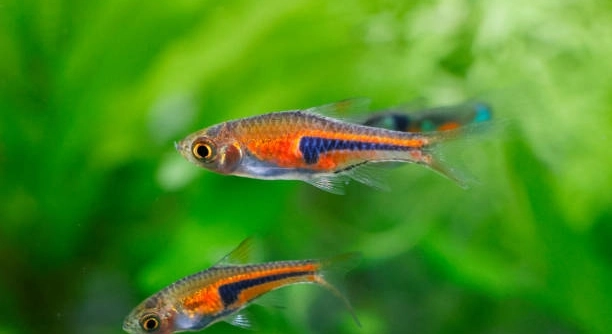
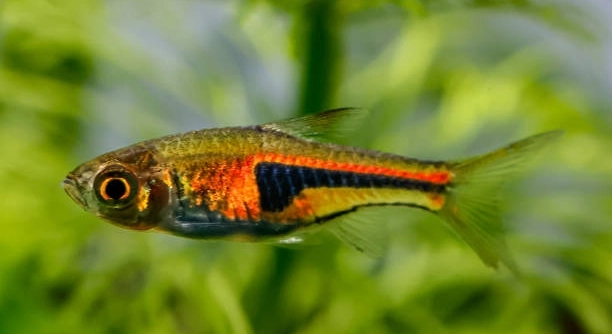
Why Rasbora Might Favor One Side of the Tank

Rasboras are small, active fish often found in home aquariums. They can sometimes be seen favoring one side of the tank over the other. This behavior might seem puzzling to fish owners who want their pets to explore evenly. Rasboras may prefer one side of the tank due to factors like lighting, water flow, temperature, … Read more
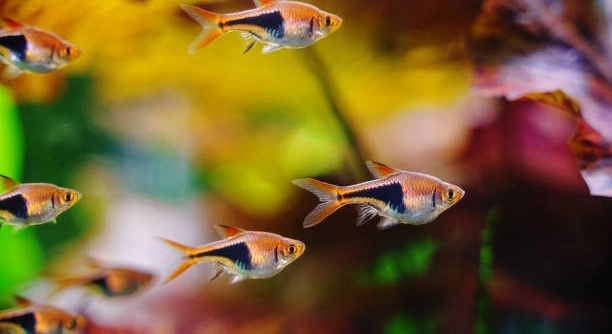
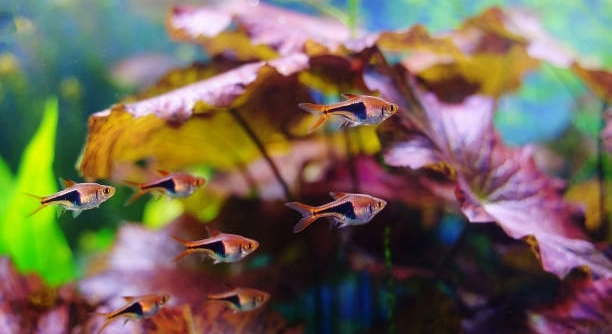
7 Visual Clues Rasbora Are Relaxed

Rasbora are small, peaceful fish often kept in home aquariums. Observing their behavior can reveal when they feel calm and secure in their environment. Recognizing these signs helps owners maintain a healthy, stress-free tank. Seven visual clues indicate that rasbora are relaxed. These include steady swimming patterns, vibrant coloration, smooth fin movement, regular breathing rates, … Read more

Why Rasbora Suddenly Group in Tight Circles

Rasboras are small, active fish often seen swimming in groups. Sometimes, they suddenly gather tightly in circles. This behavior can be surprising to aquarium owners who are used to seeing them spread out or swimming freely. Rasboras group tightly in circles primarily as a defensive response to perceived threats. This schooling behavior helps protect individuals … Read more

7 Foods That Harm Rasbora Health

Many fish owners enjoy keeping rasboras for their bright colors and peaceful nature. Feeding them a proper diet is essential to maintain their health and vibrant appearance. Some common foods can, however, cause harm if given regularly or in large amounts. Certain foods such as fatty meats, processed human snacks, and foods high in preservatives … Read more

Do Rasbora Recognize Their Owner?

Do you enjoy keeping rasboras as pets and wonder how they interact with their environment? Rasboras are small, peaceful fish often kept in home aquariums. Their behavior can sometimes seem mysterious, especially in how they respond to people around them. Rasboras do not recognize their owners in the way mammals or birds do. Their behavior … Read more

7 Things That Boost Rasbora Curiosity

Rasboras are small, active fish often kept in home aquariums for their lively behavior and vibrant colors. Their natural curiosity makes them interesting pets that respond to their environment in unique ways. Understanding what sparks their curiosity can enhance their care. Several factors boost rasbora curiosity, including varied tank decorations, gentle water flow, interactive feeding … Read more

7 Tank Decorations Rasbora Love the Most

Do you ever find yourself wanting to make your rasboras feel more at home by adding decorations that bring comfort and joy? Rasboras enjoy tank decorations that mimic their natural habitat. Plants, driftwood, rocks, and caves provide hiding places, reduce stress, and encourage exploration. These elements create a balanced environment, supporting both physical activity and … Read more

7 Habits of Happy, Healthy Rasbora

Rasboras are small, colorful fish often kept in home aquariums. They bring life and movement to tanks, making them a favorite among fish enthusiasts. Keeping them happy and healthy requires understanding their basic needs and behaviors. Happy, healthy rasboras thrive in clean, well-maintained environments with stable water conditions, balanced nutrition, and appropriate social settings. Proper … Read more

How to Know If Rasbora Is Lonely

Have you ever noticed your rasbora swimming alone or acting differently in the tank? Many aquarium owners want to ensure their fish are happy and healthy. Understanding their social needs is important for their well-being and behavior. Rasboras are naturally schooling fish that thrive in groups. When kept alone, they often show signs of loneliness … Read more

Do Rasbora Prefer Quiet or Activity?

Many aquarium enthusiasts enjoy keeping Rasboras for their vibrant colors and peaceful nature. Understanding their environmental preferences can improve their health and behavior in home tanks. Knowing if they thrive in quiet or active settings helps create a better habitat. Rasboras generally prefer calmer, quieter environments rather than high activity or constant disturbances. Excessive noise … Read more