What Rasbora Do When Exploring a New Plant

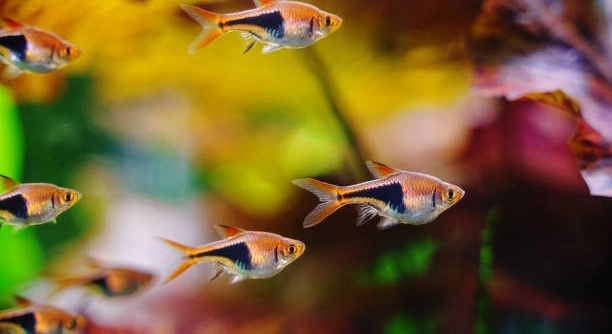
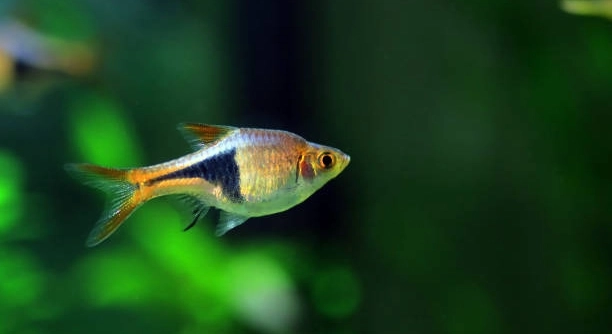
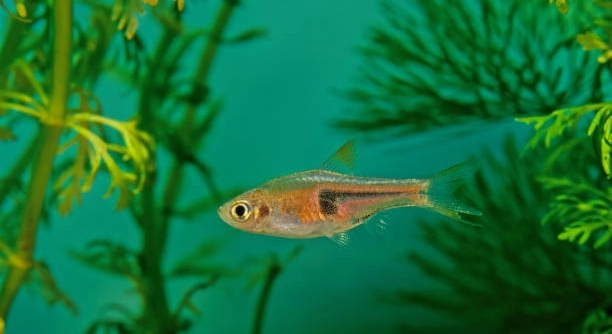
Have you ever watched your rasbora swim around a new plant and wondered what’s really going on beneath the surface? When rasboras explore a new plant, they typically exhibit cautious behavior, followed by bursts of curiosity. They investigate slowly at first, often swimming in short circles, then begin to peck, nudge, or weave through the … Read more
Can Rasbora Live in Cold Water?

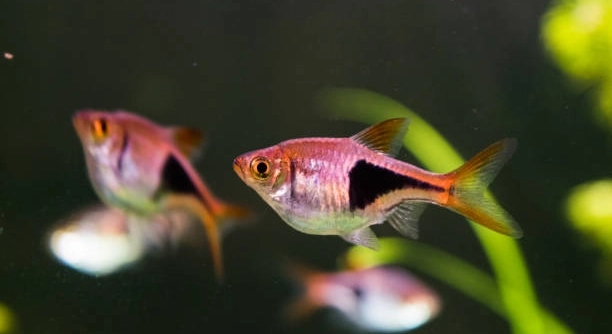
Have you ever found yourself wondering if your Rasboras are truly comfortable in the cooler temperatures of your unheated tank? Rasboras are tropical fish and generally prefer water temperatures between 72°F and 82°F. While they may survive in colder water temporarily, long-term exposure below their ideal range can lead to stress, illness, and a shortened … Read more

7 Common Tank Mates That Annoy Rasbora

Do your rasboras seem stressed or unsettled despite having a peaceful tank setup and plenty of hiding spots available? Some commonly chosen tank mates can disrupt rasboras due to their size, activity level, or aggressive tendencies. Fish like tiger barbs, bettas, and certain cichlids may chase or intimidate them, causing stress-related behaviors. Understanding which fish … Read more

Can Rasbora React to Tank Movement?

Rasboras are popular small fish often kept in home aquariums. Many fishkeepers enjoy watching their lively behavior and movement patterns. Understanding how these fish respond to their environment can improve tank care and fish wellbeing. Rasboras do react to tank movement, often perceiving changes as disturbances or potential threats. Their sensitivity allows them to respond … Read more

Why Rasbora Might Look Pale or Washed Out

Rasboras are small, colorful fish that many aquarium owners enjoy keeping. Sometimes, these fish may appear pale or washed out, causing concern. Understanding why this happens can help keep them healthy and vibrant in your tank. Rasboras may look pale due to factors like stress, poor water quality, inadequate diet, or illness. Environmental changes and … Read more

7 Things Rasbora Will Explore in a Tank

Rasboras are small, peaceful fish often chosen for home aquariums. They add color and movement to tanks while adapting to a variety of water conditions. Their behavior is subtle but interesting to observe. Rasboras explore their tanks by swimming actively throughout the space, investigating plants, hiding spots, and the substrate. They display schooling behavior and … Read more

Can Rasbora Recognize Tank Changes?

Rasboras are popular freshwater fish kept in home aquariums for their peaceful nature and bright colors. Many aquarists take care to create stable environments for these small fish. Understanding how rasboras react to changes in their tank can improve their well-being. Rasboras can recognize changes in their environment, including alterations in their tank setup. They … Read more

7 Traits of a Bold Rasbora

Bold Rasboras are small freshwater fish known for their vibrant colors and active nature. These fish often brighten up home aquariums with their lively presence. Understanding their traits helps in providing better care and appreciation. Bold Rasboras display key characteristics such as striking coloration, schooling behavior, peaceful temperament, adaptability to various water conditions, moderate size, … Read more

7 Little Things That Calm Anxious Rasbora

Anxious rasboras often show signs of stress through erratic swimming or hiding. Understanding their behavior is key to creating a calm environment that helps them feel secure and comfortable in their tank. Calming anxious rasboras involves maintaining stable water conditions, providing plenty of hiding spots, minimizing sudden movements, and ensuring compatible tank mates. Proper feeding … Read more

What to Do If Rasbora Circle Too Much

Many aquarium owners enjoy keeping rasboras because of their peaceful nature and bright colors. Sometimes, these small fish begin circling repeatedly in their tank. This behavior can be puzzling and may cause concern among fish enthusiasts. Rasboras that circle continuously often display signs of stress, illness, or environmental imbalance. Key factors include poor water quality, … Read more