
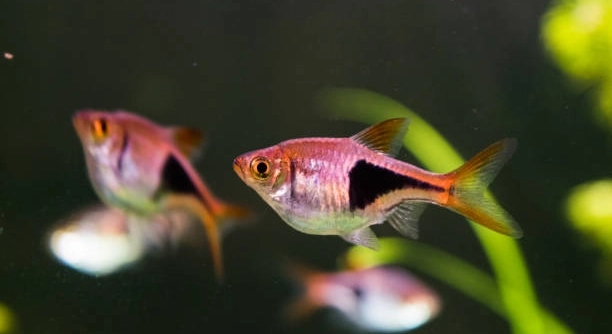
Have you ever found yourself wondering if your Rasboras are truly comfortable in the cooler temperatures of your unheated tank?
Rasboras are tropical fish and generally prefer water temperatures between 72°F and 82°F. While they may survive in colder water temporarily, long-term exposure below their ideal range can lead to stress, illness, and a shortened lifespan.
Understanding the temperature needs of Rasboras can help you create a healthier and more stable aquarium environment for them.
Why Cold Water Can Be Risky for Rasboras
Rasboras come from warm, tropical regions of Southeast Asia. Their bodies are adapted to stable, warmer water temperatures, which support healthy metabolism, immune function, and behavior. When exposed to cold water for extended periods, their systems begin to slow down. This can lead to sluggish movement, reduced appetite, and weakened immune defenses. Over time, Rasboras kept in temperatures below 72°F may become more vulnerable to common illnesses like ich or fin rot. Even if they don’t show signs right away, the long-term effects of cold water can significantly shorten their lifespan. A consistent warm environment is essential for maintaining their energy levels, vibrant color, and overall health. If your tank drops below the recommended range during cooler months, it’s important to take action. Small temperature drops can cause more harm than you think, especially if they happen often.
Cold water slows down Rasbora activity, impacts digestion, and increases health risks. Long exposure can be harmful.
Keeping them in the right range supports healthy growth, disease resistance, and natural schooling behavior. Rasboras are peaceful and active fish when cared for properly, and warm water is a key part of that care. Even a small heater can make a big difference.
What You Can Do to Keep the Tank Warm
A reliable heater keeps the temperature stable and reduces health risks for Rasboras. Choose a model suited for your tank size.
To keep your Rasboras healthy, use a fully submersible aquarium heater with an adjustable thermostat. This lets you maintain a steady 75–78°F, which is ideal for most Rasbora species. Look for heaters with automatic shut-off features for added safety. If your room temperature fluctuates, placing the tank away from windows and drafts can also help. Using a lid or tank cover can reduce heat loss, and insulation on the sides or back of the tank helps trap warmth. Always use a thermometer to monitor the water and check it daily. Sudden changes, even just a few degrees, can stress your fish. During colder seasons, consider increasing monitoring and adjusting the heater slightly. Consistency is more important than a perfect number. Stable, warm water helps them stay active, eat well, and interact with tankmates, making your aquarium healthier and more enjoyable to watch.
How Cold Water Affects Rasbora Behavior
Cold water reduces Rasboras’ energy and movement. They become less active, which can make them appear shy or uninterested in their surroundings. This behavior change is often the first visible sign that something is wrong with their environment.
When Rasboras are kept in cooler temperatures, their metabolism slows. You may notice them swimming less, staying near the bottom, or even hiding more often. They may also eat less, since digestion becomes harder when their body temperature drops. Over time, these changes in behavior can lead to weight loss and increased stress. Rasboras are naturally social and thrive when they swim in groups, but cold water can interfere with that. If their environment stays too cold, they may isolate themselves and stop interacting with other fish. These signs should be taken seriously, as long-term stress from cold water affects both behavior and health.
Inconsistent temperature can also confuse their natural rhythm. Rasboras often follow a daily routine of activity, feeding, and resting, but cold water can disrupt this pattern. You might notice them being active at strange times or showing signs of discomfort even after small temperature dips. They’re sensitive to change, and their behavior reflects that. Keeping the temperature stable is key to supporting their natural rhythm and group dynamics. Cold conditions may also reduce their immune response, making them more likely to show stress symptoms even before getting sick. Observing their behavior closely can help you catch early signs and take action before health issues develop.
Tank Setup Tips for Stable Warmth
Place the tank away from cold drafts, windows, and exterior doors. These areas are more likely to cause sudden temperature changes that affect water stability.
A tank cover helps retain heat and should always be used, especially during winter. Choose a quality aquarium lid that fits well and prevents heat loss. Background insulation can also help maintain temperature. Foam or aquarium-safe backing on one or more sides of the tank provides a layer of protection. LED lighting generates minimal heat but still adds warmth when used consistently. Avoid turning it off for long periods in cold weather. If your room gets very cold, consider adding a secondary heat source nearby to support your main heater. Keep the tank slightly elevated if it sits on a cold surface, like tile or concrete. Lastly, choose substrate and decorations that don’t absorb too much heat. These small adjustments can make a big difference in keeping your Rasboras safe.
Signs Your Rasboras Are Too Cold
Rasboras that feel too cold may stop schooling tightly and begin swimming slowly or staying near the bottom. This shift in behavior is one of the first signs their tank conditions are not right. They might also become less responsive when it’s time to feed.
Color changes can also be a signal. Rasboras often lose their vibrant tones and appear dull or faded when stressed by cold water. You may notice their fins clamping close to their bodies or slight twitching movements. These signs should prompt you to check your tank temperature right away.
How to React if the Tank Gets Too Cold
If your Rasboras’ tank gets too cold, warm it gradually. A sudden temperature jump can be more harmful than the cold itself. Raise the heat slowly—about 1–2°F every hour—until the water reaches their ideal range. Use a reliable heater, and monitor the thermometer closely during this time. Unplug any fans, and close windows to stop cold air from affecting the room. Avoid feeding until the fish become active again. Cold Rasboras often lose interest in food, and uneaten food will pollute the water. Once stable, keep the temperature steady with daily checks to prevent future stress or health issues.
Best Temperature Range for Rasboras
Keep Rasboras in water between 72°F and 78°F. This range supports their immune system, appetite, and natural behavior. Consistency is more important than hitting the highest number, so aim to stay within this safe window.
FAQ
Can Rasboras survive without a heater in a cold room?
Rasboras can survive short periods in cooler water, but it’s not ideal. In a cold room, the water can drop below 70°F, which stresses their system. Without a heater, their immune response weakens, and they become more likely to develop infections. Even if they appear fine, low temperatures will reduce their lifespan over time. A small, adjustable heater makes a big difference. If you live in a place with cold seasons or temperature swings, a heater is necessary to provide the consistency Rasboras need to stay healthy and active all year.
What happens if the temperature drops overnight?
If the tank cools too much at night, your Rasboras may become lethargic and stop eating the next day. They may rest near the bottom and show less interest in schooling or swimming. Even small temperature drops can have lasting effects if they happen often. Repeated exposure increases the chance of illness. To prevent this, check your heater settings and use a thermometer that records daily highs and lows. A well-fitted tank lid and keeping the tank away from cold walls or windows helps hold warmth overnight. Catching the problem early can prevent serious health issues.
Can Rasboras live in an unheated tank with room temperature at 72°F?
Technically yes, but it depends on how steady that room temperature stays. If your room stays consistently around 72°F, your Rasboras may adapt, though they’re still living at the lower edge of their comfort zone. Even small dips below that can cause problems. Without a heater, the water may cool more at night or during seasonal changes. Rasboras kept in unheated tanks should be monitored closely, and room conditions need to stay stable. It’s safer and easier to use a heater, even at a low setting, to protect their health and avoid the stress of fluctuating temperatures.
Why do Rasboras lose color in colder water?
Colder temperatures slow down their metabolism and cause stress. Stress directly affects their pigmentation, leading to dull or faded colors. Their usual bright shades may become pale or grayish, especially near the fins and body edges. Color loss is often one of the first signs something is wrong in their environment. It can also indicate that their immune system is under pressure, making them more likely to get sick. Once water conditions improve and the tank returns to the right range, their colors usually come back. A healthy, warm environment supports bright coloration and natural patterns.
Is it okay to turn off the heater during summer?
It depends on your indoor temperature. If your room naturally stays between 74°F and 78°F during the summer, you may not need the heater. However, it’s important to monitor temperature changes daily. Even warm rooms can cool down unexpectedly at night or during storms. If your heater has a thermostat, you can leave it on and let it regulate the tank automatically. That way, the temperature stays within range without risking sudden drops. It’s better to keep the heater on as a safety measure than to remove it entirely, especially if weather changes quickly where you live.
Do Rasboras act differently when they’re too cold?
Yes, their behavior changes noticeably. They swim less, often hovering in one area or resting at the bottom. They may stop schooling and separate from their group. Feeding slows down or stops entirely, and they may avoid interacting with tank mates. Some might twitch slightly or keep their fins clamped. All of these signs show discomfort and possible stress. Behavior changes are one of the clearest early warnings, so it’s good to watch for them if you’re unsure about your tank’s temperature. Once warmed up to the right range, most Rasboras return to their usual active habits quickly.
Final Thoughts
Keeping Rasboras healthy starts with maintaining the right water temperature. These fish are not suited for cold conditions, even if they seem to survive in them for a short time. Cold water can cause stress, dull their colors, slow their movements, and lead to illness. Over time, it can shorten their lifespan. Even though they’re small and often seen as low-maintenance, they still need a stable, warm tank to stay active and thrive. A consistent environment makes a big difference in how they behave, eat, and interact with each other.
Using a heater is the easiest and most effective way to keep their tank at a safe temperature. It allows you to control the water conditions, even when the room gets colder. Pairing a heater with a tank lid, good placement, and regular temperature checks will help prevent problems. These steps are simple but essential for long-term care. A good thermometer is also important. It helps you spot issues early so you can fix them before your Rasboras start showing signs of stress. Paying attention to small changes can protect them from bigger problems down the line.
Rasboras are peaceful, active fish that bring life to any community tank when they’re comfortable. When their environment is stable and warm, they swim in groups, show vibrant color, and respond well to feeding. But when the temperature drops, they pull away from those behaviors. That’s why it’s worth taking the time to create a tank setup that supports their needs. A bit of planning goes a long way in keeping them healthy. By understanding how cold water affects them and taking simple steps to prevent it, you can give your Rasboras a safer, more stable home.

Hello,
If you enjoy the content that we create, please consider saying a "Thank You!" by leaving a tip.
Every little bit helps us continue crafting quality advice that supports the health, happiness, and well-being of pets around the world, for pets of all shapes, sizes, and species.
We really appreciate the kindness and support that you show us!