
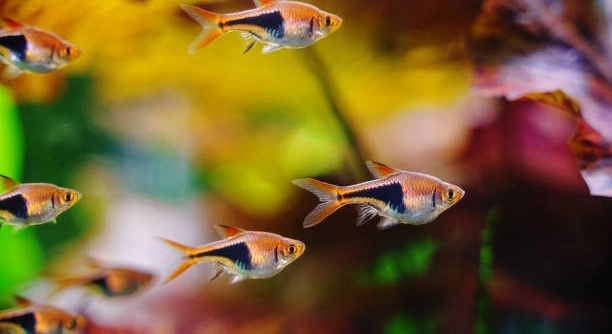
Rasboras are popular small fish often kept in home aquariums. Many fishkeepers enjoy watching their lively behavior and movement patterns. Understanding how these fish respond to their environment can improve tank care and fish wellbeing.
Rasboras do react to tank movement, often perceiving changes as disturbances or potential threats. Their sensitivity allows them to respond quickly, either by swimming away or changing their behavior, which reflects their natural instinct to avoid danger.
Observing these reactions can help you create a calm environment that supports their natural habits and reduces stress in your aquarium.
How Rasboras Sense Movement in the Tank
Rasboras rely heavily on their lateral line system to detect movement in the water. This sensory organ runs along the sides of their bodies and picks up vibrations and changes in water currents. When the tank or its surroundings move, the water shifts slightly, triggering their sensory system. These small fish are naturally cautious because in the wild, sudden water movement can signal predators or other dangers. In a home aquarium, even minor disturbances like someone walking by, tapping the glass, or adjusting decorations can cause a reaction. Their quick responses help them stay safe but can also mean they get stressed if the tank environment is frequently disrupted. Keeping the tank stable and minimizing sudden movements can create a more peaceful habitat for rasboras, encouraging natural swimming and social behavior.
This sensitivity to movement is a survival mechanism that helps rasboras stay alert and avoid threats in their environment.
Recognizing how rasboras detect tank movement allows caretakers to better manage aquarium conditions. Avoid tapping on the glass or making sudden changes near the tank. Consistent water flow and gentle handling will reduce stress on these delicate fish. Maintaining a calm setting helps them thrive and display their natural behavior, making your aquarium more enjoyable to watch.
Signs Rasboras Show When Reacting to Movement
Rasboras display specific behaviors when reacting to tank disturbances. They may dart quickly to the opposite side, freeze momentarily, or cluster together tightly. Some rasboras hide behind plants or decorations until they feel safe again. These responses can indicate discomfort or fear caused by frequent or sudden movements near their environment.
Understanding these signs is important for maintaining their wellbeing and avoiding unnecessary stress.
Watching how rasboras respond to movement helps in adjusting your aquarium setup. If your fish consistently react with sudden swimming or hiding, it’s a sign the tank environment is too disruptive. Minimizing external vibrations and keeping a stable routine around the tank can improve their comfort. Providing ample hiding spaces like plants and rocks offers safe spots for the fish when they feel threatened. Careful observation of their behavior helps maintain a healthy tank atmosphere, ensuring your rasboras remain calm and active.
How Tank Movement Affects Rasbora Behavior
Tank movement can cause rasboras to become uneasy or stressed. Sudden vibrations or shifts in water flow often prompt quick, erratic swimming or hiding behavior. These reactions are natural responses to perceived threats.
When the tank experiences frequent or strong movement, rasboras may struggle to settle or maintain normal swimming patterns. Continuous disturbances can increase their stress levels, weakening their immune system over time. Stress also reduces their feeding activity and social interaction, which are essential for their wellbeing. Creating a stable environment with minimal external disruptions helps keep them calm. It’s important to avoid tapping the glass, sudden water changes, or placing the tank on unstable surfaces. Soft, steady water circulation can also prevent abrupt shifts that unsettle these small fish. Managing these factors improves their health and promotes natural, peaceful behavior.
Consistent tank conditions are vital. Even small vibrations from nearby activity can affect rasboras if the tank isn’t well isolated or stable.
Best Practices to Minimize Stress from Tank Movement
Limiting external disturbances helps rasboras feel secure in their environment. Place the aquarium away from high-traffic areas to reduce sudden vibrations.
Using a sturdy stand or surface prevents unwanted shaking. Soft decorations and plants can absorb some water movement, creating calm zones. Regular, gentle water flow mimics natural conditions without causing agitation. Avoid tapping or banging on the tank glass, as this triggers stress responses. Monitoring tank equipment like filters and air pumps ensures they don’t create excessive currents. Gradual water changes instead of quick swaps reduce sudden environmental shifts. These steps support the health and comfort of rasboras, helping them thrive over time. Taking simple precautions around tank placement and maintenance fosters a stable habitat where rasboras can exhibit natural, relaxed behavior.
Common Sources of Tank Movement
Common causes of tank movement include tapping on the glass, vibrations from nearby appliances, or uneven surfaces. Even loud noises or footsteps close to the aquarium can create subtle water disturbances.
Identifying these sources is essential to minimize stress on rasboras. Small changes in the environment can significantly impact their comfort and behavior.
How to Set Up a Stable Aquarium Environment
A stable aquarium setup begins with placing the tank on a solid, level surface that absorbs vibrations. Avoid areas near doors, washing machines, or heavy foot traffic. Using foam padding under the tank stand can further reduce shaking. Position equipment like filters and air pumps to create gentle water flow without strong currents. Regular tank maintenance should be done calmly and slowly to avoid startling the fish. By controlling these factors, you provide a peaceful habitat that supports rasboras’ natural behavior and health.
When to Be Concerned About Rasbora Reactions
If rasboras frequently dart, hide, or show signs of stress, it may indicate excessive tank disturbances.
FAQ
Can Rasboras get stressed from tank movement?
Yes, rasboras are sensitive to vibrations and sudden water shifts. Frequent or strong movement can cause stress, making them swim erratically or hide. Stress lowers their immune response and affects feeding, so it’s important to keep the tank stable.
How can I reduce tank vibrations for my rasboras?
Place the aquarium on a solid, level stand away from noisy appliances or heavy foot traffic. Use foam padding under the tank to absorb minor shakes. Avoid tapping the glass and maintain gentle water flow with proper equipment placement.
Do rasboras react to people moving near the tank?
Yes, rasboras can sense vibrations caused by footsteps or movement around the tank. They may swim quickly or hide if disturbed. Keeping a calm environment around the aquarium helps reduce these reactions.
Is water current important for rasboras?
A gentle water current is beneficial because it mimics their natural habitat. Strong currents, however, can stress them and disrupt swimming patterns. Adjust filters and air pumps to provide steady, mild flow.
What signs show that rasboras are stressed by movement?
Signs include sudden darting, hiding behind plants or decorations, loss of appetite, and reduced social interaction. Prolonged stress can lead to illness or weakened immune systems.
Can tank decorations help reduce stress from movement?
Yes, plants and decorations break up water flow and create hiding spots, helping rasboras feel secure. They also absorb some vibrations, reducing the impact of tank movement.
How often should I perform water changes to avoid stressing rasboras?
Perform regular water changes slowly and gently, ideally once a week. Sudden large water changes can create strong currents and temperature fluctuations, causing stress.
Will changing tank location affect rasboras’ behavior?
Moving the tank can cause temporary stress due to changes in light, temperature, and vibrations. After relocation, monitor the fish closely and keep the environment stable to help them adjust.
Are all rasbora species equally sensitive to tank movement?
Most rasbora species share similar sensitivity due to their small size and natural instincts. However, individual temperament and tank conditions can influence how strongly they react.
What equipment settings help minimize disturbance in a rasbora tank?
Use filters with adjustable flow rates and quiet air pumps. Avoid strong bubbles or fast currents. Position equipment to create even water circulation without sudden surges.
Is it better to have a planted tank to reduce movement stress?
A planted tank offers natural cover and softens water currents, which can lower stress for rasboras. Live plants also improve water quality, contributing to a healthier environment.
How long does it take for rasboras to calm down after a disturbance?
Usually, rasboras settle within minutes if the environment returns to normal. Repeated or intense disturbances may prolong stress, so minimizing these events is key.
Can tank movement cause long-term health problems for rasboras?
Chronic stress from frequent disturbances can weaken their immune systems, making them prone to disease. Maintaining a stable, calm tank environment supports their long-term health.
Are there behavioral signs that indicate rasboras feel safe in their tank?
Calm, smooth swimming in groups and regular feeding show rasboras feel secure. They often explore the tank openly and interact socially when comfortable.
What should I do if my rasboras are constantly stressed by tank movement?
Assess and reduce sources of vibration and sudden water shifts. Add plants or decorations for shelter, check equipment flow, and ensure the tank is in a low-traffic area. Consistency in care helps restore calm behavior.
Rasboras are delicate fish that respond strongly to changes in their environment, especially movement around or inside their tank. Their natural instincts make them sensitive to vibrations and water shifts, which they interpret as possible threats. This reaction is a normal part of how they protect themselves in the wild. However, in a home aquarium, constant or strong tank movement can cause unnecessary stress. Stress in fish can affect their overall health, behavior, and even lifespan. Therefore, understanding how tank movement affects rasboras is important for anyone who keeps them. It allows fishkeepers to create an environment where these small fish feel safe and comfortable.
Creating a stable and calm aquarium setting is one of the best ways to care for rasboras. Simple steps such as placing the tank on a sturdy stand, avoiding locations near heavy foot traffic or noisy appliances, and using gentle filtration can make a significant difference. Providing plants and decorations offers hiding spots and breaks up water flow, reducing the impact of any movement. Regular, slow water changes help avoid sudden water disturbances that could upset the fish. These practical adjustments show how small changes can greatly improve the wellbeing of rasboras. A peaceful tank encourages natural swimming, social behavior, and healthy feeding habits.
In summary, paying attention to how rasboras react to tank movement helps keep them healthy and happy. It is important to minimize vibrations, avoid sudden changes, and maintain a consistent environment. By doing so, rasboras are less likely to experience stress or related health issues. Observing their behavior can also guide adjustments to the tank setup and routine care. Taking time to provide a stable habitat benefits both the fish and the aquarium keeper. This approach ensures that rasboras can thrive and display their natural beauty and activity in your home aquarium.

Hello,
If you enjoy the content that we create, please consider saying a "Thank You!" by leaving a tip.
Every little bit helps us continue crafting quality advice that supports the health, happiness, and well-being of pets around the world, for pets of all shapes, sizes, and species.
We really appreciate the kindness and support that you show us!