7 Changes in Swimming After Feeding

Swimming behavior often changes after feeding. These changes can affect how fish move, breathe, and interact with their environment. Understanding these shifts helps in caring for aquatic animals and maintaining a healthy tank or natural habitat. Feeding impacts swimming by altering energy levels, buoyancy, and metabolism. After eating, fish often show slower movement, increased resting, … Read more

7 Tank Design Features Piranhas Interact With

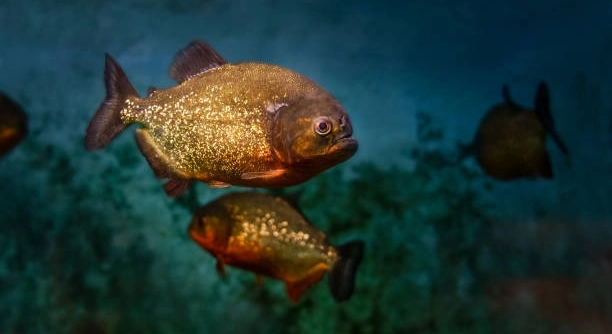
Many people keep piranhas as pets and want to create the best environment for them. Knowing how piranhas interact with their tanks helps owners provide comfort and proper care. Tank design plays a key role in their daily behavior. Piranhas respond to several tank features including size, decoration, hiding spots, water flow, lighting, substrate, and … Read more

What Substrate Works Best for Piranhas?

Are your piranhas swimming over gravel that doesn’t seem quite right or sand that always ends up cloudy in the tank? The best substrate for piranhas is fine sand, as it closely mimics their natural habitat, promotes healthy behavior, and is gentle on their bodies. Coarser substrates like gravel can cause injuries and trap uneaten … Read more

7 Warning Signs of Poor Oxygenation in Piranha Tanks

Have you ever looked into your piranha tank and felt unsure if the oxygen levels are right for your fish? Poor oxygenation can create serious health problems for your piranhas, even if everything else seems fine. The most common signs of poor oxygenation in piranha tanks include gasping at the surface, sluggish behavior, reduced appetite, … Read more

7 Piranha Preferences When It Comes to Tank Depth

Piranhas are popular fish for many aquarists due to their unique behavior and appearance. Setting up a proper tank is essential for their health and comfort. Tank depth plays an important role in creating a suitable environment for these fish. Piranhas prefer moderate to deep tanks, typically between 18 to 24 inches in depth. This … Read more

7 Times Piranhas Act Completely Out of Character

Piranhas are often seen as fierce and aggressive fish in popular stories and movies. Most people expect them to behave the same way all the time. However, piranhas sometimes show surprising behavior that doesn’t fit their usual image. Piranhas occasionally act in ways that are calm, cautious, or even cooperative, which contrasts with their reputation … Read more

7 Behaviors Linked to Water Imbalance

Water balance in the body is essential for maintaining health and proper function. When this balance is off, it can affect daily life in subtle but important ways. Recognizing common behaviors linked to water imbalance helps in managing well-being. Water imbalance in the body is connected to behaviors such as excessive thirst, frequent urination, dry … Read more

7 Ways to Know a Piranha Is Observing You

Piranhas are fascinating fish known for their sharp teeth and quick movements. They often attract attention because of their reputation and unique behavior. Understanding how they observe their surroundings can help you stay aware around them. Piranhas show signs of observation through focused eye movement, sudden stillness, and body orientation towards a target. They rely … Read more

7 Foods That Create Fast Feeding Frenzies

Many people enjoy snacks that are quick and easy to eat. Certain foods naturally attract attention and cause people to eat faster than usual. This article explores those kinds of foods and why they trigger fast feeding. Foods that create fast feeding frenzies often share traits like strong flavors, easy-to-hold shapes, and quick satisfaction. These … Read more

How to Acclimate Your Piranha to a New Tank

Acclimating a piranha to a new tank is essential for its health and well-being. Properly introducing the fish reduces stress and helps it adjust to the new environment smoothly. This process requires patience and careful observation. The best approach to acclimate a piranha involves gradually adjusting the water conditions, including temperature and pH, to match … Read more