
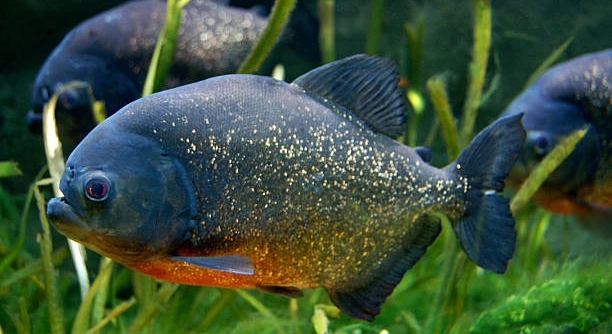
Piranhas are often seen as fierce and aggressive fish in popular stories and movies. Most people expect them to behave the same way all the time. However, piranhas sometimes show surprising behavior that doesn’t fit their usual image.
Piranhas occasionally act in ways that are calm, cautious, or even cooperative, which contrasts with their reputation for aggression. These unexpected behaviors have been documented in various situations, revealing a more complex side to their nature.
These unusual moments offer a fresh look at piranhas beyond the usual fearsome tales. Understanding these behaviors can change how we see these fascinating fish.
When Piranhas Swim Together Peacefully
Piranhas are usually thought of as aggressive and quick to attack, but they often swim calmly in groups without showing aggression. In the wild, they form schools to protect themselves from bigger predators rather than to hunt. These groups can have dozens or even hundreds of fish moving together smoothly, almost like a single unit. This cooperative behavior helps them survive and stay safe. It’s a reminder that their actions are not always about being violent; sometimes they focus on safety and cooperation. Seeing them swim quietly in large groups challenges the common idea that piranhas are always dangerous. Their peaceful schooling behavior is a natural part of how they live and thrive in their environment, showing a different side to their personality than most people expect.
Their calm group swimming helps reduce individual risk and improve their chances of survival in the wild.
This teamwork between piranhas is not about attacking but about protecting each other. It shows that they can be thoughtful and cautious creatures, not just aggressive hunters. Their ability to work together quietly helps keep the group safe from larger fish and other dangers. This behavior changes how we might think about them, proving they are more complex than just scary fish. It’s fascinating to see how animals often have different sides to their nature.
Piranhas Showing Care for Their Young
Piranhas protect their eggs and young fish carefully. Unlike many fish that leave their offspring after laying eggs, piranhas guard their nests actively. Both parents stay close, chasing away threats and making sure the eggs are safe until they hatch. This protective behavior shows a softer, nurturing side of piranhas that is often overlooked. By guarding their young, piranhas increase the chances their babies survive in tough environments where many predators are around. This care and attention prove that they are not only fierce but also responsible parents. Watching this side of piranhas helps us understand their behavior better, beyond just their sharp teeth and hunting skills. It’s an important part of their life cycle and survival strategy.
Piranhas Showing Unusual Caution
Piranhas sometimes act very cautious, especially when food is scarce or unfamiliar. They avoid risky behavior and carefully watch their surroundings before making any moves. This caution helps them stay alive in tough situations.
In situations where food is limited, piranhas may hesitate to attack quickly. Instead, they take time to assess if the danger is worth the risk. This behavior is different from their usual fast, aggressive strikes. They may wait for other fish to approach first or retreat if the threat seems too big. This slow and careful approach shows that piranhas can be patient and strategic, not just reckless hunters.
This cautious behavior can be seen more often in smaller groups or in areas with many predators. It helps piranhas avoid injuries and conserve energy, especially during dry seasons or when their environment is changing. By acting cautiously, they increase their chances of surviving long periods without much food or danger.
Piranhas Cooperating During Feeding
Piranhas sometimes share food instead of fighting over it. When a large meal appears, they often eat together peacefully. This cooperation makes feeding more efficient for the whole group.
Sharing food helps reduce conflict and injury among piranhas. Instead of fighting for every bite, they can eat in groups, especially when the food is too big for one fish. This behavior shows that piranhas can work together when it benefits the entire school. It is a surprising side since they are often seen as selfish and aggressive.
In some cases, this cooperation extends to hunting. Piranhas may surround prey together, each waiting for their chance to feed without rushing in too fast. This teamwork helps them catch food more successfully and avoid attracting larger predators with chaotic struggles. Such moments highlight that piranhas can be more social and coordinated than many think.
Piranhas Avoiding Conflict
Piranhas do not always fight each other. They often avoid conflict within their groups to keep peace.
This behavior helps maintain order in their schools. Fighting could cause injuries that make survival harder. They use body language to warn each other instead of attacking.
Piranhas Showing Curiosity
Piranhas sometimes investigate new objects or changes in their environment. This curiosity helps them learn about possible food or threats. Their careful approach allows them to stay safe while exploring.
Piranhas Resting Calmly
Piranhas can rest quietly, staying still for long periods. This calm state helps them save energy and recover. It’s a surprising behavior given their reputation for constant movement and aggression.
Why do piranhas sometimes act peacefully instead of aggressively?
Piranhas are often seen as aggressive, but they only act that way when necessary. When there is no threat or urgent need for food, they tend to be calm and peaceful. Their natural behavior includes swimming in groups quietly to protect themselves from predators. Aggression costs energy and can lead to injury, so they avoid it unless they need to defend themselves or hunt. This peaceful behavior is a survival strategy that helps them stay safe and healthy in their environment.
Can piranhas show care for their young?
Yes, piranhas protect their eggs and young fish carefully. Unlike many fish that leave their eggs after laying, piranhas guard their nests actively. Both parents stay close to the eggs, chasing away threats until the babies hatch. This protective behavior increases the chances of their young surviving in environments full of predators. It’s a softer side of piranhas that many people don’t expect but is important for their species’ survival.
Do piranhas ever cooperate with each other?
Piranhas do cooperate, especially when feeding on large prey. Instead of fighting over food, they sometimes share it peacefully. This cooperation reduces injuries and helps the group eat more efficiently. In some cases, piranhas even work together to surround prey, making it easier to catch. This teamwork shows that piranhas can be social and coordinated, not just aggressive and selfish.
Why do piranhas sometimes act very cautious?
Piranhas can act cautiously, especially when food is scarce or unfamiliar. Instead of rushing to attack, they observe their surroundings carefully. This slow, careful behavior helps them avoid danger and conserve energy. It is a way for them to survive in tough situations where risks are higher and resources are limited.
Do piranhas rest or stay still?
Yes, piranhas do rest and stay still for periods of time. This calm behavior helps them save energy and recover. Despite their reputation for constant movement and aggression, they often take breaks and stay quiet. Resting is a natural part of their behavior and is important for their health.
How do piranhas avoid conflict within their groups?
Piranhas avoid fighting each other by using body language and signals to warn others. Fighting can cause injuries that reduce their chances of survival. By keeping peace within their schools, they maintain order and protect the group. This behavior helps them live together more safely.
Are piranhas curious about their environment?
Piranhas can show curiosity by investigating new objects or changes in their surroundings. This behavior helps them learn about possible food sources or threats. They approach carefully to avoid danger while exploring, which improves their ability to survive in changing conditions.
What triggers piranhas to become aggressive?
Piranhas usually become aggressive when they feel threatened or when food is scarce. Hunger or danger can cause them to attack quickly and fiercely. Their aggression is a survival response rather than a constant state. Without these triggers, they tend to behave more calmly.
Can piranhas recognize individual members of their group?
There is some evidence that piranhas can recognize members of their school, which helps reduce unnecessary fighting. Recognizing familiar fish helps them maintain peaceful relationships and cooperate better within the group. This ability adds to their social behavior and survival strategies.
How does the environment influence piranha behavior?
The environment plays a big role in how piranhas behave. In places with many predators or limited food, they tend to be more cautious and cooperative. When conditions are safe and food is plentiful, they might be less aggressive. Seasonal changes and water levels also affect their actions, making them adaptable creatures.
Piranhas have a reputation for being fierce and dangerous fish, but their behavior is much more complex than most people realize. While they can be aggressive, especially when hunting or feeling threatened, they also show many calm and surprising sides. Piranhas swim peacefully in groups, protect their young carefully, and sometimes even share food. These actions reveal that piranhas are not just mindless attackers but intelligent creatures with different behaviors depending on the situation. Understanding these sides helps us see them in a new light beyond the usual scary image.
Their cautious and careful nature is another important part of how they live. Piranhas often avoid conflict with each other and their environment by acting patiently and watching closely. This helps them stay safe and survive in places where food can be scarce or predators are nearby. They also rest quietly and take breaks, saving energy for when they really need it. These moments of calm and cooperation show that piranhas have a balanced way of living that fits their surroundings well.
Learning about these unexpected behaviors can change how we think about piranhas. They are not just aggressive hunters but also protectors, team players, and cautious explorers. Seeing these fish in this way gives us a deeper appreciation for their role in their ecosystem. Piranhas adapt their behavior to survive and thrive, showing a wide range of actions that go beyond the simple idea of being dangerous. This understanding helps us respect them as part of nature’s variety of life.

Hello,
If you enjoy the content that we create, please consider saying a "Thank You!" by leaving a tip.
Every little bit helps us continue crafting quality advice that supports the health, happiness, and well-being of pets around the world, for pets of all shapes, sizes, and species.
We really appreciate the kindness and support that you show us!