
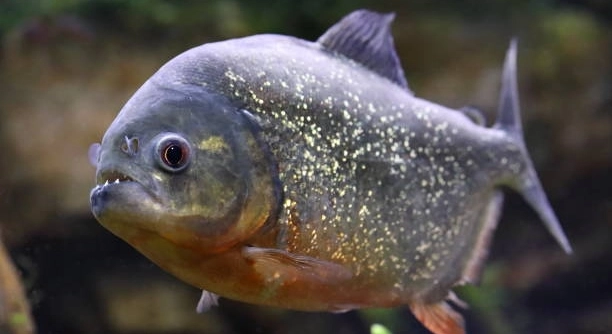
Piranhas are fascinating fish known for their sharp teeth and quick movements. They often attract attention because of their reputation and unique behavior. Understanding how they observe their surroundings can help you stay aware around them.
Piranhas show signs of observation through focused eye movement, sudden stillness, and body orientation towards a target. They rely on these behaviors to assess threats or prey, indicating their awareness without aggressive action. Recognizing these signs can improve safety and understanding.
Learning these cues will help you recognize when a piranha is paying attention. This knowledge can enhance your experience near their habitat and keep interactions safer.
How Piranhas Use Their Eyes to Watch You
Piranhas have sharp, alert eyes that help them focus on their surroundings. When a piranha is watching, its eyes will fix steadily on a point, showing clear attention. They often move their eyes slowly to track any movement nearby. This focus helps them decide if something is a threat or potential food. Unlike many fish that dart around quickly, piranhas tend to remain still while observing. This stillness reduces their chances of being noticed. Their eyes can also detect changes in light and movement, which alerts them to activity above or below water. When you notice a piranha’s gaze locked on you, it means it’s aware and analyzing the situation. This quiet but intense observation is one of their main ways to stay safe and prepared in their environment.
Piranhas keep their eyes focused on things that interest or concern them. This steady gaze is a key sign they are observing you carefully.
Watching how piranhas use their eyes can help you stay calm and understand their behavior. Their focused stare means they are alert but not necessarily aggressive. This knowledge can reduce fear and improve your confidence when near them. Observing without sudden movements will help avoid provoking any reaction. The eye movements of piranhas give clues about their mood and intentions, making it easier to read their behavior. Staying calm and still often signals you are not a threat, which can help keep encounters peaceful.
Piranha Body Language Signals Observation
Piranhas communicate a lot through their body posture when watching something. They tend to angle their bodies toward the focus of their attention, whether it is a moving shadow or a nearby creature. This positioning helps them prepare for quick reactions if needed. Their fins may flare slightly to make them look bigger, or they might hold still to avoid drawing attention. A rigid, unmoving body often means a piranha is carefully watching and assessing. The fish’s tail might twitch occasionally, showing readiness to move quickly. Their body language gives clear hints about their alertness and interest.
Body posture is a direct way piranhas show they are paying attention. A still, angled position usually means observation.
Understanding piranha body language is crucial when around them. Their posture often shows if they feel threatened or curious without needing to get close. When a piranha points itself toward you and stays still, it is carefully considering the situation. This behavior is a mix of caution and readiness, not immediate aggression. Watching these signs allows you to predict how the fish might act next. The more you notice their body signals, the better you can respond safely and respectfully in their space. Learning these physical cues supports safer interaction and helps you feel more confident near piranhas.
Signs of Sudden Stillness
When a piranha suddenly stops moving, it is a clear sign it is watching closely. This pause helps it blend in and avoid drawing attention. Sudden stillness often means the fish is alert and focused on something nearby.
Sudden stillness in piranhas is a defensive behavior. By freezing, they reduce their visibility to potential threats and prey. This quiet moment allows them to analyze their surroundings carefully without wasting energy. The pause helps them prepare for a fast reaction if needed. In this state, piranhas are not necessarily aggressive but cautious. They observe quietly, waiting for the right moment to move or retreat. This behavior shows their intelligence in managing risk and staying safe in a sometimes dangerous environment.
The moment a piranha stops swimming and holds perfectly still, it signals high alertness. They watch patiently, ready to respond. This controlled stillness helps them gather information and avoid unnecessary conflict. It is a way to stay hidden while remaining aware of changes nearby.
Body Orientation and Positioning
Piranhas often position their bodies directly toward what they are observing. This alignment helps them focus fully on the target. It also prepares them for swift movement if necessary.
The way a piranha angles itself can indicate its level of interest or threat assessment. A direct, steady position suggests the fish is carefully monitoring a situation. This posture reduces distractions and helps maintain clear vision. Piranhas use body orientation to communicate silently with others as well. By facing an object or creature, they show intent without making noise or sudden movements. This careful positioning is part of their survival strategy. Recognizing this behavior lets you understand when a piranha is truly attentive versus just nearby. It’s a simple but important sign of observation.
Quick Head Movements
Piranhas use quick head movements to scan their environment. These fast turns help them check for threats or food sources. Sharp, sudden changes in head direction show heightened awareness.
These movements allow piranhas to track objects without moving their entire body. It’s a subtle way to stay alert while conserving energy.
Flicking Fins
Flicking fins is a common way piranhas signal observation. Small, rapid fin movements can mean curiosity or mild agitation.
This behavior helps maintain balance and readiness to swim quickly. It’s also a way to communicate presence without making loud noises.
Changes in Swimming Speed
When a piranha notices something, its swimming speed may change suddenly. It might slow down or speed up slightly to better observe or approach.
Adjusting speed helps piranhas control how much attention they draw. Slow movement often means cautious observation, while faster swimming may prepare for action.
Bubble Formation
Piranhas sometimes release small bubbles while watching closely. This can happen when they breathe more rapidly or become excited.
Bubbles near the surface can indicate alertness. It’s a subtle but clear sign the fish is engaged with its surroundings.
How can I tell if a piranha is watching me?
You can tell a piranha is watching you by noticing its focused eyes, still body posture, and the way it angles itself toward you. They often stop moving suddenly and may flick their fins or make quick head turns while observing. These signs show the fish is paying close attention without making aggressive moves.
Are piranhas always dangerous when observing?
Not always. Piranhas observe as a way to assess their environment, not necessarily to attack. Their watching behavior is often cautious and meant to help them decide if you are a threat or just part of the surroundings. Aggression only happens if they feel provoked or cornered.
Why do piranhas sometimes stop moving completely?
Stopping movement is a defense strategy. It helps them stay hidden and avoid drawing attention. By freezing, piranhas can watch quietly and prepare to react quickly if needed. This stillness means they are alert, not necessarily aggressive.
Do piranhas communicate while watching?
Yes, they use body language like fin flicks, body positioning, and subtle movements to communicate. These signals can show curiosity, caution, or warning without attacking. Understanding these signs helps interpret their mood.
What should I do if a piranha is observing me?
Stay calm and avoid sudden movements. Piranhas watch to decide how to react. Moving slowly or remaining still often shows you are not a threat. Avoid splashing or making aggressive gestures that might provoke them.
Can piranhas recognize humans?
Piranhas can recognize shapes and movement patterns but do not identify humans individually like pets might. They respond mostly to presence, size, and behavior. Consistent, calm behavior usually lowers their alertness over time.
Do all piranha species watch in the same way?
Most piranhas share similar watching behaviors, but some species may show differences in how they move or position their bodies. Their environment and size can influence specific behaviors, but focused observation remains common.
Is it safe to swim near observing piranhas?
Swimming near piranhas requires caution. If they watch without aggressive signs, such as flared fins or rapid darting, it usually means they are curious or cautious. Avoid provoking them, keep calm, and move slowly to reduce risk.
Why do piranhas flick their fins when watching?
Flicking fins helps piranhas stay balanced and ready to swim. It also acts as a subtle signal to others or to express mild agitation. This behavior is a way to stay alert while keeping low visibility.
What does sudden swimming speed change indicate?
A sudden change in swimming speed often shows a piranha’s shifting focus or reaction to new stimuli. Slowing down usually means careful observation, while speeding up can prepare for chasing or escaping. Watching these changes helps understand their intentions.
Can piranhas observe without moving their heads?
Piranhas often move their heads quickly to scan better, but they can also watch by staying still and using eye focus. Head movement is more common when tracking fast-moving objects or assessing threats.
How do bubbles relate to piranha observation?
Bubbles may form when piranhas breathe faster or get excited during observation. Seeing bubbles near the surface often indicates heightened alertness or mild agitation. It’s a small but useful clue about their state.
Are piranhas more likely to observe during certain times?
Piranhas tend to be more watchful during feeding times or when disturbed. They are also alert in new environments. Understanding their patterns can help predict when they will pay close attention.
Do piranhas watch in groups or alone?
Piranhas can watch individually or in groups. Group watching may show more intense alertness since multiple fish share information. Solitary piranhas rely on their own senses but still use the same observation behaviors.
How long can a piranha watch without moving?
They can hold still for several minutes while watching. This quiet patience helps them gather information safely. Long periods of stillness mean they are carefully assessing, not ignoring you.
When it comes to piranhas observing you, understanding their behavior can make a big difference. These fish are often seen as scary, but their watching habits are mostly about caution and awareness. Piranhas use their eyes, body movements, and subtle signals to pay attention to what is around them. They do not always mean harm when they watch. Instead, they are gathering information to decide if something is safe or dangerous. Knowing how to read these signs helps you stay calm and avoid unnecessary fear or panic when near them.
Piranhas tend to stay still and focus their attention carefully. They use slow, deliberate movements of their eyes and heads to follow things that interest them. Their body often points directly toward what they watch, and they might flick their fins or change swimming speed slightly to get a better look. These behaviors show a mix of curiosity and caution. They watch to protect themselves as much as to find food. It is important to remember that sudden movements or splashing can cause them to feel threatened. Staying calm and steady helps keep encounters peaceful.
Overall, observing a piranha can teach us about their natural instincts and how they survive in their environment. Their watching is not always a sign of aggression but often a way to stay alert and safe. By learning to recognize the ways piranhas show they are paying attention, you can better understand their behavior. This understanding helps you approach situations with more confidence and respect. Piranhas are interesting creatures that rely on observation to live and thrive. Respecting their signals allows both you and the fish to coexist more safely.

Hello,
If you enjoy the content that we create, please consider saying a "Thank You!" by leaving a tip.
Every little bit helps us continue crafting quality advice that supports the health, happiness, and well-being of pets around the world, for pets of all shapes, sizes, and species.
We really appreciate the kindness and support that you show us!