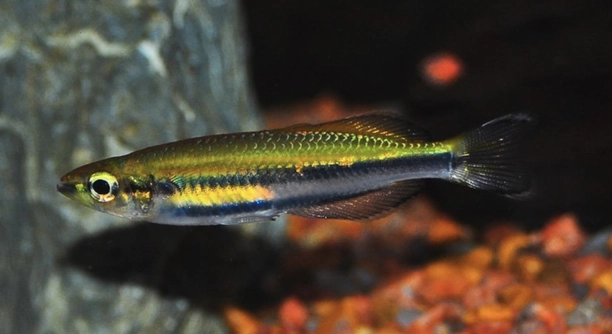
How to Spot a Male vs Female Rainbowfish

Rainbowfish are popular in home aquariums for their bright colors and lively behavior. Many enthusiasts enjoy keeping them but sometimes struggle to tell males and females apart in their tanks. Observing small differences can make a big difference. Male and female rainbowfish can be distinguished primarily by color intensity, body shape, and fin size. Males … Read more

Why Rainbowfish May Avoid the Middle of the Tank
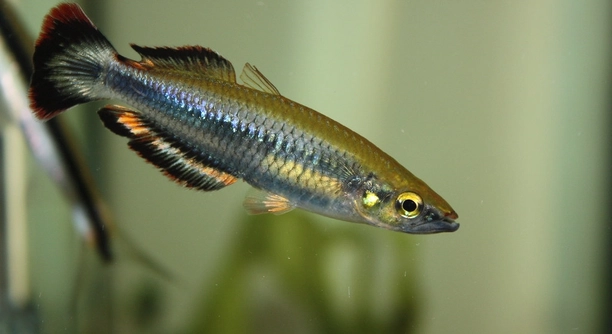
Many aquarists notice that rainbowfish often avoid swimming in the middle of the tank. These colorful fish tend to prefer the top or bottom areas, moving cautiously and often keeping close to hiding spots or decorations. Rainbowfish typically avoid the middle of the tank due to stress, perceived vulnerability, and natural territorial behavior. Open water … Read more
What Do Baby Rainbowfish Look Like?

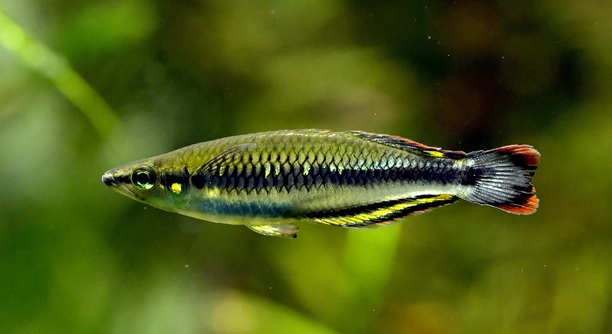
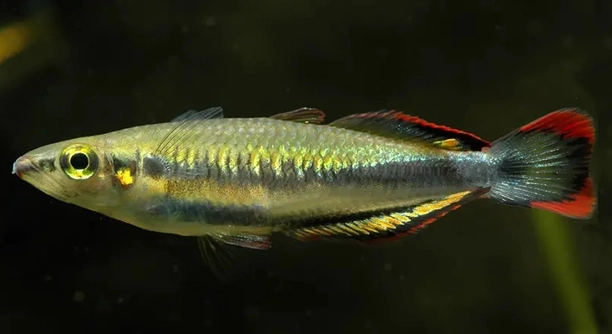
Have you ever wondered how tiny baby rainbowfish look during their earliest days in the aquarium, especially when they first begin to swim around and explore their surroundings in gentle, shimmering groups under soft light. Baby rainbowfish appear as slender, translucent larvae with faint pigmentation, delicate fins, and subtle reflective hues. Their bodies remain nearly … Read more

7 Common Feeding Problems With Rainbowfish

Do you enjoy keeping rainbowfish but notice they sometimes act picky at mealtime? Feeding them can be tricky, and small mistakes may lead to unhealthy habits or even affect their growth over time in your aquarium environment. Rainbowfish commonly face feeding problems such as refusing certain foods, overeating, slow growth, difficulty digesting, aggression during feeding, … Read more

Why Rainbowfish Gather at the Top of the Tank

Rainbowfish are lively and colorful additions to any aquarium. Observing them can be relaxing, yet you may notice them gathering at the top more often than elsewhere. Their behavior often catches the attention of new fish owners. Rainbowfish frequently gather at the top of the tank due to oxygen availability, feeding habits, and environmental comfort. … Read more

7 Things That Affect Breeding Success

Breeding success can feel unpredictable even for experienced breeders. Many factors quietly influence whether the process goes smoothly or leads to complications. Understanding these elements can help create a healthier and more productive environment for animals. Several key factors affect breeding success, including genetics, nutrition, environment, health, age, stress levels, and proper timing. Each of … Read more

Do Rainbowfish Understand Tank Boundaries?

Do your rainbowfish seem to swim confidently around the tank, yet sometimes pause at the edges as if unsure? Many fish owners notice this behavior and wonder how much their pets understand the space they inhabit. Rainbowfish display a basic recognition of tank boundaries through visual and tactile cues. They adapt their swimming patterns to … Read more

7 Reasons Rainbowfish Swim in Circles

Do you ever notice your rainbowfish gliding in circles around the tank? Many aquarists find this behavior fascinating, yet puzzling. It is common in both home aquariums and natural habitats, often leaving fish owners curious about the reasons behind it. Rainbowfish swim in circles for a variety of reasons, including establishing territory, engaging in mating … Read more

7 Fish Body Language Signs to Know

Fish communicate constantly through posture, movement, and subtle signals that often go unnoticed by owners. Learning these behaviors helps create calmer aquariums, supports health, and builds a better connection between fish and their environments daily. Fish body language signs reveal stress, comfort, aggression, and social dynamics through fin position, swimming patterns, coloration changes, and spacing. … Read more

7 Reasons Your Rainbowfish Won’t Eat

Managing a community tank can feel tricky when one fish suddenly refuses food, especially a usually active rainbowfish that brightens your aquarium with color and energy, creating concern about what might be affecting its appetite. Rainbowfish often stop eating due to environmental stressors, unsuitable water parameters, or illness. Disruptions in temperature, pH, or tank compatibility … Read more