
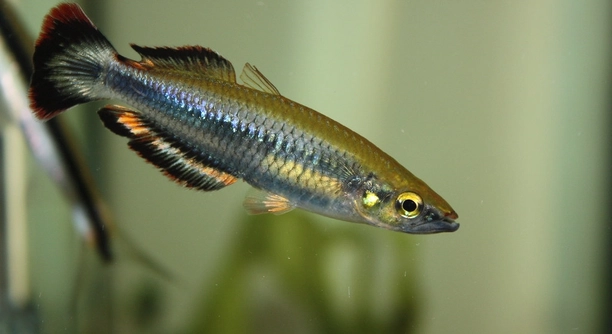
Many aquarists notice that rainbowfish often avoid swimming in the middle of the tank. These colorful fish tend to prefer the top or bottom areas, moving cautiously and often keeping close to hiding spots or decorations.
Rainbowfish typically avoid the middle of the tank due to stress, perceived vulnerability, and natural territorial behavior. Open water exposes them to potential threats, making edges and cover more appealing for both comfort and survival instincts.
Understanding this behavior can improve tank design and fish welfare, helping rainbowfish feel secure while maintaining a healthy and balanced environment.
Common Tank Conditions That Affect Rainbowfish Behavior
Rainbowfish are sensitive to the conditions of their tank. Factors like water temperature, pH, and flow can influence their movement and preferred swimming areas. If the middle of the tank feels exposed or uncomfortable, they may stick closer to the top or bottom layers. Lighting also plays a role; overly bright light can make them feel unsafe, while dimmer areas encourage exploration. Decorations such as plants, rocks, or driftwood provide shelter and reduce stress, giving rainbowfish more confidence to move freely. Overstocked tanks can increase tension, leading them to avoid open areas. Observing their patterns helps identify which conditions need adjustment. Regular monitoring ensures that water parameters remain stable and consistent. Even minor fluctuations in chemistry or temperature can affect their comfort and activity. Creating a balanced, well-structured environment supports both their health and natural behavior.
Stress from unsuitable conditions can make rainbowfish hesitant to explore open water, keeping them near shelter or edges.
Providing stable water conditions, proper lighting, and adequate hiding spots encourages more confident swimming. Watching their behavior allows timely adjustments to improve comfort and activity.
Social Dynamics and Rainbowfish
Rainbowfish are naturally social and prefer to swim in groups. A single fish may feel exposed and avoid the middle of the tank, staying near the edges where other fish provide security. The hierarchy within the group also influences their movement; dominant fish often claim central spaces, while less dominant individuals retreat to the periphery. Group size matters too, as larger groups create confidence and reduce stress, making fish more willing to explore open water. Introducing new fish gradually prevents sudden disruptions that can make them hide or cluster at the edges. Observing interactions helps identify if bullying or competition is influencing behavior. Providing enough space, visual barriers, and even plants helps maintain harmony. Social comfort is crucial for rainbowfish, as a confident and balanced group will swim more evenly across the tank, reducing their tendency to avoid the middle. Understanding their social needs allows for a more relaxed and natural environment.
Smaller or single rainbowfish often stay at the edges, avoiding the middle due to lack of group security.
Supporting group swimming, minimizing aggression, and ensuring gradual introductions helps rainbowfish feel safe and explore the tank more fully.
Feeding Patterns and Their Impact
Rainbowfish often stay near the top or bottom depending on feeding times and food type. Floating flakes attract them to the surface, while sinking pellets encourage bottom activity. Mid-tank areas may be avoided if food rarely reaches there, creating uneven movement patterns throughout the day.
Their feeding habits influence swimming zones. When food settles quickly, fish may remain at the bottom waiting for it. If flakes are scattered, they may rise briefly but still avoid open middle spaces, preferring areas near decorations. Over time, they learn where food usually appears and adjust their movement accordingly, creating habitual patterns.
Adjusting feeding techniques can change behavior. Spreading food evenly across the tank or using slow-sinking options encourages exploration of mid-level spaces. Consistent feeding schedules reduce stress and help fish develop balanced swimming habits. Observing their response ensures food reaches all areas, improving overall activity and comfort.
Tank Decorations and Cover
Plants, rocks, and ornaments provide essential cover for rainbowfish. Mid-tank areas without hiding spots may feel exposed, leading them to stick near edges. Dense arrangements encourage confidence while open sections remain less visited.
Strategically placed decorations shape swimming behavior. Tall plants near the middle or floating leaves create shaded zones that mimic natural environments. Rocks or driftwood along mid-level areas offer visual barriers, making the space feel less exposed. These structures reduce stress and provide resting points, encouraging fish to explore previously avoided zones. Variety in decoration types and heights caters to different needs, from hiding to casual swimming. Fish often follow safe paths between cover, gradually expanding their territory. Proper placement transforms the tank into a more comfortable and engaging environment.
Regularly assessing the tank layout ensures mid-level areas remain approachable. Adjusting decorations and creating visual breaks can slowly encourage rainbowfish to explore and use the entire swimming space. This also prevents stagnation and promotes natural activity throughout the tank.
Light and Temperature Effects
Rainbowfish are sensitive to bright lights and sudden temperature changes. Mid-tank areas often receive more light, making them feel exposed. Cooler or warmer spots near the top or bottom provide a sense of safety, influencing where they prefer to swim.
Adjusting light intensity and ensuring stable temperature encourages rainbowfish to explore mid-level areas. Gradual changes reduce stress, helping them feel secure and confident throughout the tank. Consistent conditions are key to promoting natural swimming behavior.
Stress and External Disturbances
External disturbances, such as sudden movements or loud noises, can make rainbowfish avoid open spaces. Mid-tank areas feel more vulnerable, so fish retreat to edges or behind cover where they can observe without being directly exposed. Stress influences swimming patterns significantly.
Tank Size Considerations
Smaller tanks can limit movement and increase territorial behavior, causing rainbowfish to avoid the middle. Limited space makes them feel exposed, and they often prefer areas close to the substrate or walls for comfort.
Water Quality Importance
Poor water quality increases stress and reduces activity. Rainbowfish may avoid open mid-tank areas if parameters like ammonia, nitrate, or pH are unstable, sticking to spots where conditions feel safer and more consistent.
FAQ
Why do rainbowfish avoid the middle of the tank even when there is food?
Rainbowfish are naturally cautious and perceive open water as risky. Even if food is present, they feel safer near edges, plants, or decorations where they can quickly hide from potential threats. They learn feeding patterns over time, often remaining near the zones where food is consistently available rather than exploring exposed areas.
Can tank lighting make rainbowfish avoid the middle?
Yes, bright lighting can make mid-level spaces feel unsafe. Rainbowfish prefer shaded areas or spots near cover. Adjusting light intensity or creating floating plants and ornaments can provide shelter and encourage fish to explore areas they normally avoid.
Does water temperature affect their swimming patterns?
Temperature stability is crucial. Sudden shifts or uneven heating may make mid-tank areas less comfortable. Rainbowfish often stick to areas with preferred temperatures, typically near the top or bottom, where water feels more consistent and secure.
How does tank size influence their behavior?
Smaller tanks can create a sense of exposure in the middle. Limited space forces them to stay near walls or cover. Larger tanks with adequate hiding spots allow more exploration, but mid-tank avoidance can still occur if the area feels open and unprotected.
Do social interactions affect their tank positioning?
Absolutely. Rainbowfish are schooling fish. Dominant individuals may occupy central spaces, while less dominant or shy fish retreat to the edges. A well-sized group can encourage more mid-level activity, as safety in numbers reduces stress and boosts confidence.
Can decorations change their mid-tank avoidance?
Decorations play a big role. Plants, rocks, or driftwood provide visual barriers and shaded zones that make the middle feel safer. Proper placement encourages exploration and helps fish develop more balanced swimming habits across the tank.
Does feeding style impact their location preferences?
Yes. Floating food encourages surface activity, sinking pellets encourage bottom swimming. Rarely feeding in mid-level areas teaches rainbowfish that the middle is empty or unsafe, reinforcing avoidance. Using slow-sinking or evenly distributed food helps them explore mid-tank zones.
How do external disturbances affect their behavior?
Sudden movements, tapping, or loud noises can startle rainbowfish. Open areas feel more vulnerable, so fish retreat to edges or behind cover. Consistent, calm handling of the tank reduces stress and gradually allows more mid-tank exploration.
Can poor water quality make them avoid the middle?
Unstable parameters like ammonia, nitrite, nitrate, or pH spikes increase stress. Rainbowfish instinctively seek safer areas, usually near the substrate or cover, avoiding open mid-level spaces where they feel exposed. Maintaining clean, stable water encourages natural swimming patterns.
How long does it take for rainbowfish to start using the middle of the tank?
It varies based on tank setup, group dynamics, and individual temperament. Some fish adapt within days if the environment feels safe, while others take weeks. Gradually improving shelter, lighting, feeding, and social conditions promotes confidence and exploration.
Can temperature, light, and decorations combined encourage mid-tank swimming?
Yes, addressing all factors together has the best impact. Stable temperature, moderate lighting, and strategically placed decorations create a secure environment, encouraging rainbowfish to explore mid-level spaces safely. Consistency and careful observation are key to progress.
Is it normal for rainbowfish to never fully use the middle?
It can be normal. Some individuals are naturally cautious or shy, preferring edges regardless of tank conditions. Providing options for cover and minimizing stressors helps maximize comfort, but complete use of mid-tank areas may not always occur for every fish.
What can I do if my rainbowfish avoid the middle long-term?
Focus on consistent water parameters, appropriate lighting, and a mix of decorations to create shaded mid-level zones. Keep a balanced school to reduce social stress. Adjust feeding to include mid-level areas and avoid sudden disturbances to gradually encourage exploration.
Does tank maintenance influence their behavior?
Regular water changes, cleaning, and monitoring of parameters reduce stress and improve overall confidence. Fish in a stable, well-maintained environment are more likely to swim throughout the tank, including areas they initially avoided.
How important is hiding space for rainbowfish?
Hiding space is essential. Lack of cover makes open mid-tank areas feel unsafe. Plants, rocks, and driftwood give fish security and pathways for movement, encouraging them to explore areas they would otherwise avoid.
Rainbowfish are naturally cautious and sensitive creatures, which explains why they often avoid the middle of the tank. Their behavior is influenced by a combination of environmental, social, and biological factors. Open water feels exposed and can trigger instinctive stress responses, so they naturally prefer areas with cover, whether that is near the top, bottom, or along the tank walls. Decorations such as plants, rocks, and driftwood provide visual barriers that make mid-level areas feel safer, helping fish feel more confident. Even small adjustments in the tank’s layout can make a noticeable difference in their swimming patterns. Over time, observing where they spend most of their time can help you understand their comfort zones and adjust the tank environment accordingly.
Water quality and stable conditions play an equally important role in their behavior. Rainbowfish are sensitive to fluctuations in temperature, pH, and other water parameters. Unstable conditions can create stress, which reinforces their tendency to stay in safer areas of the tank. Consistent maintenance, including regular water changes and monitoring of key parameters, can encourage them to explore more freely. Lighting also affects their comfort. Bright or harsh lighting may make the middle feel too open and vulnerable, while softer lighting or shaded areas encourage exploration. Feeding patterns contribute as well; if food tends to settle only at the top or bottom, rainbowfish may rarely move through mid-level spaces. Adjusting feeding techniques, such as using slow-sinking or evenly distributed food, can gradually help them utilize more of the tank.
Social dynamics and group behavior are additional factors to consider. Rainbowfish are schooling fish and often rely on the presence of other fish for safety. Dominant individuals may occupy certain areas, leaving shyer fish to stick near edges or hiding spots. A well-balanced group can encourage more mid-level activity, as the collective presence reduces stress and increases confidence. External disturbances, including sudden movements or loud noises, can also influence their behavior, causing them to retreat from exposed areas. By creating a stable, calm, and well-structured tank, you provide the environment needed for rainbowfish to feel secure and comfortable. Understanding these combined factors allows you to design a tank that promotes natural behavior and encourages more balanced swimming across all areas, including the middle, ultimately supporting their overall health and well-being.

Hello,
If you enjoy the content that we create, please consider saying a "Thank You!" by leaving a tip.
Every little bit helps us continue crafting quality advice that supports the health, happiness, and well-being of pets around the world, for pets of all shapes, sizes, and species.
We really appreciate the kindness and support that you show us!