
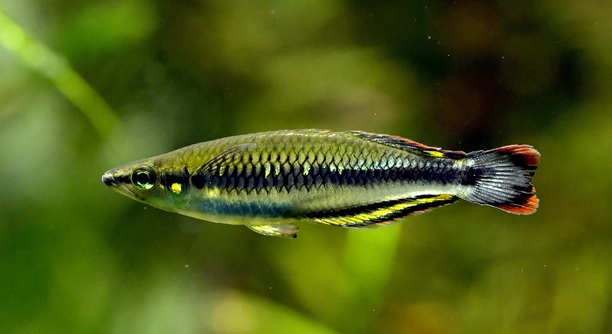
Rainbowfish are popular in home aquariums for their bright colors and lively behavior. Many enthusiasts enjoy keeping them but sometimes struggle to tell males and females apart in their tanks. Observing small differences can make a big difference.
Male and female rainbowfish can be distinguished primarily by color intensity, body shape, and fin size. Males often display more vivid colors, elongated fins, and slightly slimmer bodies, whereas females usually have duller coloration, shorter fins, and rounder body shapes.
Recognizing these differences early helps you manage your aquarium more effectively and ensures your rainbowfish thrive in a healthy environment.
Physical Differences Between Male and Female Rainbowfish
Males are usually brighter and more colorful than females. Their fins are longer and more pointed, which makes them stand out in the tank. Females tend to have a rounder body and softer colors, often silver or pale shades. The difference can become more noticeable as the fish mature. Observing how they swim can also provide clues, as males often move with more confidence and flare their fins to show off. Females usually stay closer to plants or the bottom, keeping a low profile. Head shape is another indicator; males often have a slightly more angular head, while females appear more rounded. Body size is helpful too, but less reliable, because diet and tank conditions can affect growth. Looking at the anal and dorsal fins can also reveal differences. Males may have sharper, elongated dorsal fins, whereas females’ fins remain shorter and more rounded. Watching a pair interact can make these distinctions clearer.
Color intensity and fin length are the easiest traits to notice when identifying males and females.
Being aware of these physical differences helps maintain a balanced tank. It also allows better pairing for breeding. Knowing which fish is male or female can prevent aggression and reduce stress among your rainbowfish. Over time, this knowledge helps you understand their behavior and ensures each fish has a comfortable space to swim. A tank with both sexes displays vibrant colors and natural interactions, which can be rewarding to watch. Paying attention to subtle details like body shape, head angles, and fin proportions ensures accurate identification. Observing them during feeding can also highlight differences, as males may show more active or bold behaviors. Keeping track of these traits makes it easier to manage your aquarium, especially if you are planning to expand your collection or attempt breeding. Overall, these simple observations allow you to provide a healthier, more engaging environment for your rainbowfish.
Behavioral Traits to Observe
Males tend to be more active and display chasing behavior around females.
Watching how rainbowfish interact can give clear signals about their sex. Males often perform courtship dances, flaring fins, and swimming energetically. Females usually respond by keeping distance or moving calmly through the tank. Social hierarchy also matters; males may compete for dominance, while females are less aggressive. Feeding behavior shows differences too. Males may dart forward quickly or compete for preferred spots, while females eat steadily. Understanding these traits helps reduce misunderstandings in a shared tank and prevents stress-related illness. By noting these patterns over time, you can identify individuals accurately. Observing during different times of day and lighting conditions can also reveal natural behaviors that are otherwise missed. Combining physical and behavioral cues makes sexing rainbowfish reliable. Maintaining proper tank conditions, such as enough space and hiding spots, allows natural behaviors to emerge clearly. Recognizing these behavioral cues improves your ability to care for rainbowfish, enhancing both their health and the overall balance in your aquarium.
Color Patterns and Markings
Males often have bright, shimmering scales with more vibrant stripes or spots. Females are usually paler, with less contrast and subtle markings. These differences become clearer as the fish age and their colors fully develop in a healthy tank environment.
Bright coloration in males serves multiple purposes. It attracts females during breeding and signals strength to other males. Their stripes, spots, or iridescent scales can vary depending on the species, tank lighting, and diet. Females’ colors are more muted to provide camouflage and reduce attention from aggressive males. Watching a group of rainbowfish can reveal these distinctions quickly, especially when males display during feeding or courtship. Differences in color saturation, pattern placement, and scale shine make it easier to identify males and females in shared tanks.
Tank conditions, including lighting, water quality, and diet, affect color intensity. Poor nutrition or stress can dull male colors, making them look similar to females. Adequate space and hiding spots allow males to show natural displays, emphasizing bright markings. Over time, consistent observation of behavior and color patterns ensures accurate identification. Maintaining balanced lighting and a proper diet helps males keep their vibrant appearance while supporting females’ overall health. Color patterns, when combined with fin shape and behavior, provide a reliable way to distinguish sexes in rainbowfish species.
Size and Growth Differences
Males are generally slightly longer and more slender than females, though the difference is subtle in younger fish.
Males grow taller and develop more elongated bodies, while females maintain a rounder, shorter appearance. Differences are most noticeable in mature fish, especially in species like Boesemani or Melanotaenia. Tank conditions, diet, and water quality influence growth rates, but males typically remain longer and thinner. Watching growth over months can reveal patterns that confirm sex, especially when combined with fin and color observations. In some species, males may reach up to 25% longer than females.
Females grow more uniformly and maintain a plumper midsection for egg development. Their slower growth is natural and does not indicate poor health. Tracking these differences helps avoid mixing up sexes in breeding setups. Males often appear more active, which can affect how they look in the tank compared to females. Careful monitoring of size and body shape alongside color and behavior ensures accurate identification. This is important for maintaining harmony in community tanks and for planning breeding. Over time, observing consistent size patterns gives confidence in distinguishing males from females reliably.
Fin Shape and Size
Males have longer, more pointed dorsal and anal fins compared to females. These fins are often more elaborate and help display dominance or attract females. Females’ fins are shorter, rounder, and less showy. Observing fin shape is one of the simplest ways to identify sex.
Fin length can change slightly with age and health. Males may develop more extended fins as they mature, especially in well-maintained tanks. Females’ fins remain modest and proportionate to their body size. Differences become clear when multiple fish are together, making comparisons easier and more reliable.
Behavior in Groups
Males are more territorial and often chase each other or females. Their activity levels are higher, and they display frequent flaring of fins.
Observing a tank over time highlights natural behaviors. Males may patrol the top or middle levels, while females often stay in lower areas. Recognizing these patterns improves care and ensures a balanced, less stressful tank environment.
Breeding Indicators
Males perform courtship displays like circling or flaring fins to attract females.
These behaviors become noticeable during the breeding season or when a female is receptive. Courtship includes chasing, color intensification, and fin presentation, which clearly indicate male presence in the tank.
FAQ
How can I tell a male rainbowfish from a female quickly?
The fastest way is to look at color and fin shape. Males are brighter, with more vivid stripes or spots, and have longer, pointed dorsal and anal fins. Females are paler, rounder, and have shorter, rounded fins. Observing them together in a group makes differences clearer.
Do all rainbowfish species show the same sexual differences?
Not exactly. Most species have males that are more colorful and have longer fins, but the intensity and patterns vary. Some species show subtle differences, so combining fin shape, behavior, and color is the most reliable method. Watching over time is important for accurate identification.
Can female rainbowfish ever look as colorful as males?
Females can occasionally show brighter shades under perfect tank conditions or during spawning, but their colors usually remain muted. Diet, water quality, and lighting affect intensity, but males generally maintain the brighter, more vibrant appearance.
At what age do differences become noticeable?
Sexual differences often appear around six months, though it depends on species and tank conditions. Young fish can look similar, so it’s best to wait until they mature. Growth, fin development, and color saturation become more pronounced over time.
Does tank size affect how males and females behave?
Yes. Smaller tanks can increase aggression among males and stress for females. Larger tanks allow males to display natural behaviors without constant confrontation, and females can find space to avoid dominance displays. Proper space improves overall health and color intensity.
Are there behavioral signs besides fin flaring and chasing?
Males may also patrol higher areas of the tank, approach food first, and show more energetic swimming. Females tend to stay closer to plants or lower levels, moving calmly. Observing feeding and resting patterns can provide extra clues for identification.
How does diet impact color differences?
A high-quality diet rich in carotenoids and vitamins enhances male coloration. Females benefit too, but their colors remain naturally softer. Poor nutrition can make males appear dull, which might cause confusion when identifying sexes. Regular feeding with balanced food helps maintain bright colors.
Can stress hide sexual differences?
Stress from overcrowding, poor water quality, or aggressive tank mates can make males appear less colorful and more subdued. Females may hide more often, making size and fin differences less noticeable. Maintaining a calm, stable environment is key for clear identification.
Is it possible to sex rainbowfish for breeding purposes without errors?
Yes, but it requires patience. Using multiple indicators—color, fin shape, body size, and behavior—reduces mistakes. Observing fish over several weeks is better than relying on a single trait. Correct identification ensures successful breeding and a balanced tank.
What if I only have one rainbowfish of each sex?
Identification is easier with comparison, but even alone, looking at fin length, body shape, and subtle color differences helps. Behavior might be less obvious without interactions, so focusing on physical traits is most reliable in solitary pairs.
Do males and females need different care?
Basic care is the same, but males may benefit from more space to display and reduce aggression, while females need hiding spots to feel secure. Recognizing sex helps create an environment that minimizes stress for all fish, supporting health and longevity.
Can environmental changes alter the way males and females look?
Yes. Lighting, water parameters, and diet can influence coloration, size, and fin development. Males may become more vivid or slightly duller, and females may show subtle hints of brighter scales under ideal conditions. Stable conditions provide consistent sexual characteristics.
Are there visual cues during spawning that help identify sexes?
During spawning, males intensify color, flare fins, and swim energetically around females. Females show a rounder belly and may follow or avoid the male’s display. Watching these interactions confirms the sexes and helps manage breeding pairs effectively.
Do rainbowfish sexes interact differently with other tank species?
Males often show more curiosity or territorial behavior toward other fish, while females remain cautious. These interactions can reinforce differences and give insight into tank dynamics, making it easier to recognize males and females even in mixed-species setups.
How long should I observe my rainbowfish to confidently determine sex?
A few weeks of consistent observation is usually enough. Watching feeding, swimming patterns, fin displays, and color changes over time ensures accurate identification. Combining multiple traits reduces errors and helps maintain a balanced, healthy aquarium.
Can I sex rainbowfish visually without handling them?
Yes. Handling is not necessary if you observe fin shape, body proportions, color patterns, and behavior. This reduces stress and injury risk while still allowing clear differentiation between males and females. Patience and careful observation are key to success.
What mistakes should I avoid when identifying sexes?
Relying on only one trait, like color or size, can be misleading. Young fish may not show full differences, and stress can alter appearance. Comparing multiple indicators over time is the safest method for accurate identification and tank management.
Do males fight more in a tank with more females?
Males may still display dominance but often focus on courtship instead of constant aggression. Having multiple females can reduce male conflicts but requires enough space and hiding spots to prevent stress for all fish.
How can I make males show their best colors?
Providing high-quality food, stable water conditions, and proper lighting encourages males to display bright coloration. Ensuring enough space for natural swimming and interactions also highlights their vibrant fins and scales, making identification easier.
Are there any species where males and females look almost identical?
Yes, some rainbowfish species have subtle sexual differences. In these cases, behavior, fin length, and subtle color changes during courtship are the best indicators. Patience and careful observation are essential to avoid mistakes.
Can females change color during breeding?
Females may show a slight darkening or enhanced markings during spawning, but they rarely match males’ vibrant colors. Noting these temporary changes helps identify breeding readiness without confusing sex identification.
Is it necessary to track individual fish for sexing?
Yes, especially in larger tanks. Tracking individuals by unique markings, size, or behavior ensures you know each fish’s sex and prevents accidental misidentification when observing interactions or planning breeding.
How do I use all these traits together?
Look at color, fin shape, body size, and behavior collectively. No single trait is foolproof. Observing over time ensures accuracy, reduces stress, and improves tank harmony. Combining these traits makes sexing rainbowfish straightforward and reliable.
Can lighting affect how easily I identify males and females?
Yes, bright, natural-style lighting enhances male colors and patterns, making differences more visible. Dim or uneven lighting can mask color intensity and obscure subtle distinctions in fin shape or markings. Proper lighting is essential for accurate identification.
How often should I observe my rainbowfish to keep track of sexes?
Regular observation, a few times per week, is sufficient. Noting changes in color, fin length, or behavior helps detect maturity and maintain accurate records for breeding or tank management purposes. Consistency ensures reliable identification.
Do males ever lose their bright colors?
Yes, stress, poor diet, illness, or suboptimal water conditions can cause males to lose brightness. Restoring proper care typically brings colors back. Monitoring health and environment is crucial for maintaining natural sexual characteristics.
Can females mimic male behaviors?
Occasionally, females may show brief flaring or swimming bursts, but this is rare and usually short-lived. Observing multiple traits together ensures correct identification, preventing confusion caused by temporary behavioral mimicry.
Is it harder to sex young rainbowfish?
Yes, juveniles often look very similar. Waiting for maturity, usually around six months, allows fins, coloration, and body shape to develop fully. Observing over time ensures accurate distinction between males and females.
What should I do if I can’t tell the sexes apart?
Continue observing multiple traits over several weeks, ensuring proper tank conditions. Use a combination of color, fins, size, and behavior for reliable identification. Patience is key, and making small environmental improvements can reveal subtle differences.
Do males need more hiding spots than females?
Not necessarily. Males often use open spaces to display, while females benefit from more hiding spots to reduce stress. A well-planned tank balances both needs for health and clear observation of natural behavior.
Can stress affect breeding behaviors?
Yes, stressed males may not display fully, and females may avoid interaction. Stable water conditions, proper diet, and adequate space help natural breeding behaviors emerge and make sex identification more accurate.
How long does it take to confidently sex rainbowfish for breeding?
Observing for several weeks or months provides the most reliable results. Tracking multiple traits like color, fins, size, and behavior ensures accurate identification, reducing stress and improving breeding success.
Are there tools to help sex rainbowfish?
Mostly, observation is enough. Some aquarists use magnifying glasses for close examination of fins or subtle markings. Recording traits over time helps track growth, color changes, and behavior, which is far more effective than relying on a single observation.
Does tank composition affect male displays?
Yes. A higher ratio of males can increase aggression, while more females allow courtship displays without constant fighting. Providing enough space and hiding spots ensures males can show their natural colors and behaviors safely.
Can water temperature influence sexual traits?
Temperature affects metabolism and activity. Males may appear less vivid if water is too cold, and females may reduce movement. Maintaining recommended temperature ranges helps bring out natural differences in size, color, and behavior.
Is it common to misidentify rainbowfish sexes?
It happens, especially with young or stressed fish. Using multiple indicators, observing over time, and maintaining proper tank conditions significantly reduce mistakes, making sexing more reliable.
Do lighting and diet together influence sex identification?
Yes. Bright lighting enhances colors, while a nutrient-rich diet supports fin development and overall appearance. Combining these factors makes males more distinct and females easier to distinguish.
Are some species easier to sex than others?
Yes, species with dramatic male colors and elongated fins are simpler to identify. Species with subtle differences require careful observation of behavior, size, and minor color variations. Patience ensures accurate sexing across all types.
Can females become aggressive like males?
Females are generally less aggressive. Occasional chasing or territorial behavior can occur but is rare. Most aggression in tanks comes from males displaying dominance, especially during breeding periods.
Does observing multiple males together help identification?
Yes, comparisons reveal differences in color, fin shape, and behavior more clearly. Side-by-side observation makes distinguishing subtle traits easier and improves confidence in sexing decisions.
How do I balance the number of males and females in a tank?
A higher ratio of females reduces male aggression and ensures a peaceful tank. Providing enough space and hiding spots allows both sexes to display natural behaviors without stress. Monitoring behavior helps maintain harmony and clear sex identification.
Can stress or illness change appearance temporarily?
Yes, both can dull color, reduce fin length, and suppress activity. Healthy conditions restore natural traits, making identification easier. Consistent observation over time ensures temporary changes don’t lead to misidentification.
What’s the most reliable method to identify rainbowfish sex?
Combine color intensity, fin shape, body size, and behavior. Observing over weeks, maintaining proper tank conditions, and comparing multiple individuals ensures accurate identification and minimizes mistakes. Patience and attention to detail are key.
How do I confirm sex before attempting breeding?
Wait until physical traits and behaviors are fully developed. Watch males display, check fin length, and note body shape. Ensuring females show readiness without stress allows confident pairing and increases breeding success.
Do males and females have different swimming styles?
Males often swim actively and confidently in open areas, while females move calmly, often near plants or lower tank regions. Observing patterns over time highlights natural behaviors and makes sex identification easier.
How often should I reassess fish sex?
Once mature, periodic checks every few months help confirm identities, especially after environmental changes or growth spurts. Observing multiple traits ensures accurate and up-to-date sexing for tank management or breeding purposes.
Can water clarity affect identification?
Yes, cloudy or tinted water can mask color differences and make fin edges hard to see. Clear, well-maintained water allows easier observation of traits, improving reliability of sex identification.
Is it important to document observations?
Yes. Keeping notes on colors, fin lengths, size, and behavior over time helps track development and confirms sexes. Documentation makes breeding and tank management simpler and more predictable.
Can tank mates influence male display?
Other fish can affect male confidence and color display. Peaceful tank mates allow males to show natural behavior, while aggressive or larger species may suppress displays. Observing interactions ensures accurate identification.
Do males ever change behavior after breeding?
Yes, males may reduce courtship displays temporarily after spawning. Observing over time helps distinguish between temporary behavioral changes and true sex traits, ensuring accurate identification.
Can females’ appearance indicate fertility?
A rounder belly and subtle color changes signal readiness to spawn. Noting these traits helps pair fish correctly and supports successful breeding without confusion about sex identification.
Are there visual differences in young fry?
Fry look almost identical at first. Differences in color, fin shape, and body proportions only appear as they mature. Patience is essential for reliable sexing at early stages.
How does social hierarchy affect appearance?
Dominant males often display the brightest colors and longest fins. Subordinate males may appear duller. Observing social interactions helps identify males reliably and understand tank dynamics.
Can diet supplements enhance male identification?
Yes, carotenoid-rich foods intensify male coloration, making fin edges more visible. This supports clear differentiation from females while also improving overall fish health.
Is it ever difficult to tell sexes apart?
Yes, in young, stressed, or certain subtly dimorphic species. Using multiple traits—color, fins, body shape, and behavior—over time ensures accurate identification even in challenging situations.
What if a male and female look very similar?
Focus on behavior during feeding, courtship, and swimming patterns. Combining minor differences in fin shape and subtle color changes usually resolves uncertainty, allowing confident sexing.
Does water flow affect male display?
Males may show more vibrant colors in moderate flow areas where they can display fins fully. Still water or very strong currents can obscure natural displays, making identification harder.
Can females’ colors change outside breeding?
Only slightly. Their natural coloration remains muted compared to males. Temporary darkening may occur with stress or illness but does not mimic male vibrancy.
Are there any permanent physical traits unique to each sex?
Yes. Male fin length, body slenderness, and brighter coloration remain consistent when healthy. Females maintain rounder bodies, shorter fins, and softer colors. These permanent traits, combined with behavior, provide reliable identification.
How do I combine observations for accuracy?
Track multiple traits over time—fin shape, color intensity, body size, and behavior. Compare fish in groups and note changes with age or environmental conditions. Patience and consistent observation ensure correct sexing.
Is it possible to misidentify even experienced keepers?
Yes, especially in young, stressed, or subtly dimorphic species. Using multiple indicators and observing over weeks reduces errors, making identification reliable for tank management and breeding purposes.
How do I maintain males’ vibrant appearance long-term?
Stable water quality, proper diet, adequate space, and low-stress conditions help males retain bright colors and fin structure. Healthy males are easier to identify and maintain natural behaviors consistently.
Do females ever develop elongated fins?
Rarely. If observed, it may indicate a genetic variation or mild stress-related change. Generally, females maintain short, rounded fins, distinguishing them from males.
Can observing at feeding time improve sexing accuracy?
Yes, males often compete and display vigor, while females feed calmly. These interactions reveal natural differences in activity and confidence, aiding accurate identification.
Should I consider tank lighting for long-term observation?
Yes. Proper lighting enhances colors, making fin shapes and markings easier to see. Balanced lighting supports healthy fish and reliable sex identification without causing stress or color distortion.
How does tank population affect male behavior?
High male-to-female ratios increase competition and aggression, potentially masking natural displays. Maintaining more females than males and providing space ensures clear observation of males’ behaviors and color traits.
Are there seasonal variations in male appearance?
Some species show slightly brighter colors during breeding seasons. Observing throughout the year ensures differences are due to sex, not seasonal changes.
Can I rely on a single observation to identify sex?
No. Single observations may be misleading due to stress, lighting, or age. Multiple traits and repeated observations over time provide reliable identification and minimize mistakes.
Does tank decor influence visibility of traits?
Yes, hiding spots and plants can obscure fins, body shape, or colors. Open areas help observe males’ displays and females’ subtle traits clearly, improving identification accuracy.
Is water chemistry important for sex identification?
Yes. Poor water quality can dull colors and affect fin growth. Maintaining stable parameters allows natural traits to appear clearly and supports accurate sexing.
How do I handle new fish for sex identification?
Acclimate them first. Stress can suppress colors and behaviors. Observe from a distance until they settle before comparing fins, body shape, and behavior to identify sex confidently.
Are some rainbowfish species easier for beginners to sex?
Yes. Species with distinct male colors and elongated fins are simpler. Subtle species require more observation and patience but can still be accurately sexed with consistent monitoring.
Do males ever dominate females physically?
They may chase or nudge females during courtship, but healthy females usually avoid confrontation. Providing space and hiding spots ensures females aren’t stressed, making identification and breeding easier.
How do I combine physical and behavioral cues effectively?
Observe fins, body shape, and color alongside swimming patterns, feeding behavior, and courtship. Multiple cues provide confirmation and reduce errors in sex identification, especially in mixed or subtle species.
Can I sex rainbowfish without a group for comparison?
Yes, but it’s harder. Focus on fin length, body proportions, and subtle color traits. Observing behavior during feeding or spawning adds further confirmation, even with a single male-female pair.
What’s the most challenging aspect of sexing rainbowfish?
Young fish and subtly dimorphic species are most challenging. Patience, repeated observations, and combining physical and behavioral traits are key to avoiding mistakes. Proper care ensures traits develop clearly over time.
Do males’ colors fade after breeding?
Temporary fading can occur due to energy expenditure, but colors return under stable conditions. Monitoring for recovery helps distinguish natural variation from health issues.
Can females’ behavior mimic males outside breeding?
Occasionally, females may chase briefly or move actively, but these are temporary behaviors. Consistent observation of multiple traits ensures accurate identification.
Final Thoughts
Understanding the differences between male and female rainbowfish makes keeping them much easier and more rewarding. Paying attention to color, fin shape, body size, and behavior allows you to identify sexes accurately without causing stress to the fish. Males are usually brighter, with longer fins and more active movements, while females are softer in color, rounder, and calmer. Observing these traits together provides a clear picture, especially when fish are kept in groups where comparisons can be made. Over time, you start noticing small details that may have seemed subtle at first, like the angle of a dorsal fin or how a male flares to show dominance. These distinctions are not just for identification; they also help you maintain a balanced tank. Knowing which fish is male or female allows you to manage aggression, ensure proper feeding, and provide hiding spaces for females, which contributes to healthier and more stable aquarium life.
Sexing rainbowfish also plays an important role if you plan to breed them. Correct identification of males and females increases the chances of successful breeding and reduces the risk of stress or injury in the tank. Males naturally display bright colors and engage in courtship behaviors to attract females, and understanding these patterns helps you know when the fish are ready for breeding. Females develop a rounder belly and respond to males’ displays, which is another helpful cue. By observing these behaviors and combining them with physical characteristics like fin length and color intensity, you can pair fish more effectively and create a more natural environment. Even if breeding is not your goal, understanding sexual differences allows you to anticipate interactions between fish, preventing conflicts and promoting harmony in the tank. Over time, this knowledge becomes second nature, and you can maintain a more vibrant, peaceful, and healthy aquarium.
Consistency in observation is key. Rainbowfish may change slightly depending on tank conditions, diet, lighting, and stress levels, so it is important to keep their environment stable. Healthy, well-fed males will retain their bright colors, and females will maintain their subtle, muted appearance, which makes identification easier. Tracking traits over time, observing feeding and swimming habits, and noting social behavior all contribute to a better understanding of your fish. While some species may have subtle differences, patience and careful observation will eventually make distinctions clear. Applying this knowledge helps improve the overall care of rainbowfish and ensures both males and females can thrive. A balanced tank with well-understood sexes supports healthier fish, more natural behaviors, and a visually pleasing aquarium that can be enjoyed for years.

Hello,
If you enjoy the content that we create, please consider saying a "Thank You!" by leaving a tip.
Every little bit helps us continue crafting quality advice that supports the health, happiness, and well-being of pets around the world, for pets of all shapes, sizes, and species.
We really appreciate the kindness and support that you show us!