Do Rainbowfish Need Group Interaction?

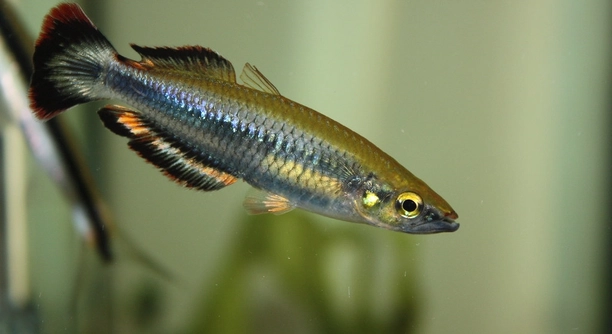
Have you ever noticed how colorful rainbowfish brighten up your aquarium but wondered if they feel lonely swimming alone? These small, lively fish seem happiest when their surroundings are calm and balanced. Watching them can be peaceful. Rainbowfish are social animals that thrive in groups of at least six. Group interaction reduces stress, encourages natural … Read more

Do Rainbowfish Need a Specific Light Schedule?

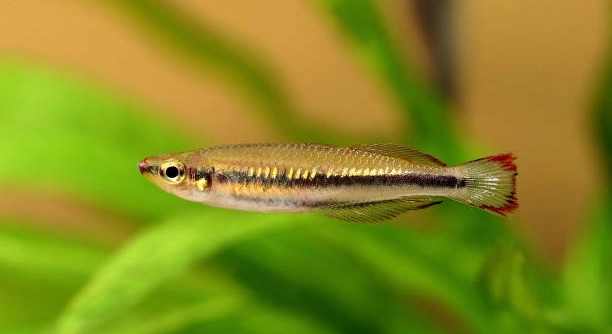
Rainbowfish are popular in home aquariums for their vibrant colors and active behavior. Many owners focus on water quality and diet, but lighting is equally important to keep these fish healthy and visually striking in their tanks. Rainbowfish thrive best under a consistent light schedule, typically 10 to 12 hours of light per day. Maintaining … Read more

7 Causes of Uneven Color in Rainbowfish

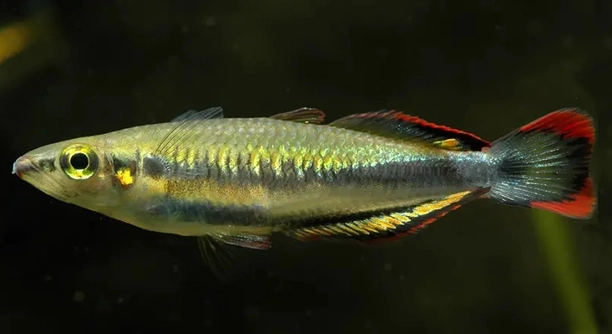
Uneven color in rainbowfish can be worrying for many hobbyists who take pride in maintaining a vibrant aquarium. These fish are admired for their shimmering hues, but sometimes their colors may appear dull or patchy unexpectedly. Several factors contribute to uneven color in rainbowfish, including poor diet, water quality fluctuations, stress from overcrowding, inappropriate lighting, … Read more

Why Is My Rainbowfish Floating Weirdly?

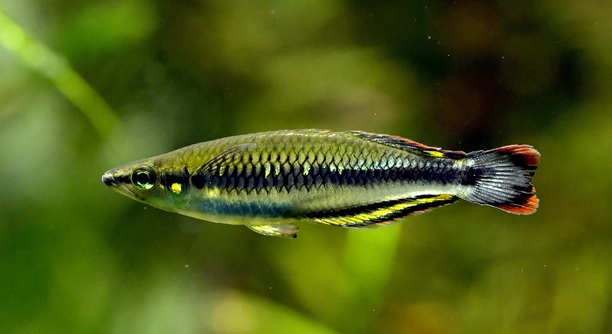
Do you enjoy watching your rainbowfish glide gracefully through the water but notice it acting oddly at times? Observing unusual swimming patterns can be concerning, especially when your fish seems to float in a strange or tilted way. Abnormal floating in rainbowfish is often caused by swim bladder disorders, poor water quality, or internal infections. … Read more

7 Causes of Lethargy in Rainbowfish

Are your rainbowfish showing unusual sluggishness that disrupts their bright and active nature, creating a sense of concern as you try to understand what may be affecting their usual energy and daily swimming patterns in the aquarium. Lethargy in rainbowfish is commonly caused by stress, poor water quality, nutritional deficiencies, parasites, infections, temperature fluctuations, and … Read more

7 Reasons Rainbowfish Stop Breeding

Rainbowfish are colorful, active fish that bring life to any aquarium. Breeding them can be rewarding, but sometimes they stop producing eggs despite optimal care. Understanding the reasons behind this can help maintain a healthy environment for these fish. Rainbowfish may stop breeding due to stress, poor water quality, inadequate diet, incompatible tank mates, improper … Read more

7 Best Plants for a Rainbowfish Aquarium

Keeping a rainbowfish aquarium can be a peaceful and rewarding experience. These fish are active and colorful, and the right plants can make their environment both comfortable and visually appealing. Proper plant choice improves water quality naturally. The best plants for a rainbowfish aquarium include species that are hardy, non-toxic, and capable of thriving in … Read more

7 Quiet Habits That Signal Tank Problems

Do you ever notice small changes in your aquarium but aren’t sure if they are serious? Many tank owners overlook subtle signs that point to underlying problems affecting fish health and water quality. Quiet habits like irregular feeding responses, sluggish movement, or minor water cloudiness can indicate tank issues. Consistently monitoring these behaviors allows for … Read more

What to Do If Rainbowfish Avoid Newcomers

Rainbowfish are vibrant and lively additions to any aquarium, yet they may seem distant or avoid newcomers. This behavior can be puzzling for enthusiasts seeking harmony in their tanks and a balanced social environment for all fish. Rainbowfish often avoid newcomers due to stress and territorial behavior. Introducing fish gradually, providing hiding spaces, and monitoring … Read more

Should Rainbowfish Be Kept in Odd Groups?

Caring for active aquarium fish often leads to thoughts about how rainbowfish behave in different group sizes in a home environment, especially when trying to create a peaceful and visually balanced community for your tank. Rainbowfish thrive in groups of at least six, and keeping them in odd numbers holds no specific benefit. Their behavior … Read more