
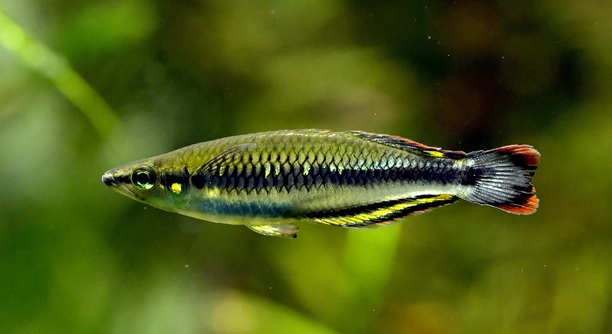
Keeping a rainbowfish aquarium can be a peaceful and rewarding experience. These fish are active and colorful, and the right plants can make their environment both comfortable and visually appealing. Proper plant choice improves water quality naturally.
The best plants for a rainbowfish aquarium include species that are hardy, non-toxic, and capable of thriving in medium to high light conditions. Suitable options provide hiding spots, reduce stress, and enhance the overall health of the fish population.
Choosing the right greenery can transform a simple tank into a lively and balanced aquatic environment. Small adjustments make a big difference for the wellbeing of your rainbowfish.
Java Fern
Java fern is one of the easiest plants to care for in a rainbowfish aquarium. It grows slowly but steadily, and its sturdy leaves can tolerate a wide range of water conditions. Unlike some delicate plants, Java fern does not require high lighting or frequent fertilization. It can be attached to driftwood or rocks, which allows for flexible placement and reduces the chance of uprooting. The leaves provide excellent hiding spaces for shy rainbowfish, helping them feel secure. It also helps maintain water quality by absorbing excess nutrients and preventing algae growth. Many aquarists appreciate that Java fern requires minimal maintenance while still offering a natural and lush appearance. This plant can coexist with other species without competing aggressively, making it a versatile addition. Its resilience and adaptability make it a reliable choice for both beginners and experienced aquarium keepers who want a low-maintenance but beneficial plant for their tanks.
Java fern’s tough leaves make it nearly indestructible, and its slow growth keeps maintenance simple.
By anchoring Java fern to hard surfaces rather than planting it in substrate, it reduces uprooting and allows rainbowfish to swim freely. Over time, the plant can grow into attractive clusters that provide both aesthetic appeal and functional hiding spots. Its ability to thrive in low to moderate light means you don’t need special equipment, and occasional pruning keeps the tank tidy. Many aquarists also note that Java fern helps stabilize water chemistry, absorbing nutrients that could otherwise contribute to algae blooms. With these benefits, it stands out as a practical and attractive choice for rainbowfish tanks, creating a healthier environment with minimal effort.
Anubias
Anubias is a hardy plant that adds a strong presence to the aquarium. Its broad leaves give rainbowfish plenty of places to hide and explore.
Anubias species are slow-growing and resistant to most common aquatic problems. They prefer moderate to low light and can be attached to rocks or driftwood rather than planted in substrate, which prevents damage from active fish. The thick leaves are durable enough to withstand nibbling by curious fish, and the plant contributes to water quality by absorbing nutrients that would otherwise fuel algae. Because it grows slowly, it requires little trimming, making maintenance simple. Anubias creates a natural look and can be paired with other plants to form shaded areas. Its versatility allows it to thrive in a variety of tank setups, and its minimal requirements make it an excellent choice for anyone looking to combine aesthetics with functionality in a rainbowfish aquarium. Proper placement ensures the plant’s health while giving the fish plenty of space to swim and interact naturally.
Hornwort
Hornwort grows quickly and provides excellent cover for rainbowfish. Its feathery stems allow fish to swim through easily while offering shelter from bright light or aggressive tank mates.
This plant floats naturally or can be anchored in substrate, making it very versatile for aquarium setups. Hornwort absorbs excess nutrients efficiently, which helps reduce algae growth and maintain water quality. Its rapid growth means it can fill empty spaces, giving the tank a fuller, more natural look. However, regular trimming is necessary to prevent overcrowding, especially in smaller tanks. Hornwort also tolerates a range of water temperatures and pH levels, making it suitable for most rainbowfish species. Many aquarists appreciate how quickly it adapts and how little care it demands while still providing practical benefits to the aquarium ecosystem.
Hornwort’s flexible growth patterns allow it to create layers within the tank. Floating stems offer open swimming space above while dense clusters below give rainbowfish areas to hide. Its nutrient absorption supports a healthier tank environment, and its fast growth keeps the aquarium looking lively without complicated maintenance routines.
Amazon Sword
Amazon sword has broad, sturdy leaves that give rainbowfish plenty of room to swim around. Its height can create a striking centerpiece in larger tanks.
This plant requires moderate lighting and nutrient-rich substrate to thrive. Once established, it grows steadily and adds a sense of depth to the aquarium. Amazon sword’s leaves provide excellent cover, helping shy rainbowfish feel secure and less stressed. Its strong root system helps anchor the plant and prevents it from being uprooted by active fish. Pairing Amazon sword with smaller plants around the base can enhance the visual appeal and create layers that mimic natural habitats. Regular trimming of older leaves keeps the plant healthy while maintaining a neat appearance. Its resilience and ability to adapt to a variety of water conditions make it a reliable choice for aquarists seeking a durable, functional, and attractive addition to rainbowfish tanks.
Vallisneria
Vallisneria grows tall, creating natural vertical lines in the aquarium. Its long, ribbon-like leaves sway gently in the water, giving rainbowfish spaces to explore and hide.
This plant is hardy and adapts well to different water conditions. Vallisneria spreads quickly through runners, making it ideal for filling background areas without constant replanting.
Cryptocoryne
Cryptocoryne plants are low-maintenance and grow in dense clusters. They provide shaded areas and hiding spots for rainbowfish, reducing stress. Their roots help stabilize the substrate, preventing erosion in active tanks. Regular water changes and moderate lighting support healthy growth, and trimming old leaves keeps them looking fresh.
Water Wisteria
Water wisteria grows quickly and can be floated or planted. Its delicate leaves create a soft, natural look while giving rainbowfish areas to hide.
FAQ
What plants are easiest to care for in a rainbowfish aquarium?
Java fern, Anubias, and Vallisneria are among the easiest plants to maintain. They tolerate a wide range of water conditions and require minimal light. Their slow growth means less frequent trimming, and they are sturdy enough to withstand active rainbowfish swimming around.
Can rainbowfish eat aquarium plants?
Rainbowfish are generally not heavy plant eaters, but they may nibble on soft leaves occasionally. Hardy plants like Anubias and Java fern can withstand minor nibbling, while delicate species like water wisteria might need extra protection or placement away from hungry fish.
How do I prevent plants from being uprooted?
Anchoring plants to rocks or driftwood works well for species like Java fern and Anubias. For rooted plants like Amazon sword, ensure the substrate is deep and stable. Avoid placing plants in areas of high current where rainbowfish frequently swim, as this can dislodge them.
Do planted tanks help rainbowfish stay healthy?
Yes, live plants improve water quality by absorbing excess nutrients and providing oxygen. They reduce stress by offering hiding spaces and create a more natural environment. Stress reduction can prevent illness and promote better coloration in rainbowfish.
How much light do aquarium plants need?
Most rainbowfish-friendly plants prefer moderate light. Java fern and Anubias thrive in low to moderate lighting, while Amazon sword and water wisteria need slightly higher light for optimal growth. Avoid direct sunlight, which can cause algae problems.
How often should I trim aquarium plants?
Trimming frequency depends on the plant type. Fast growers like water wisteria and hornwort may need weekly pruning, while slow growers like Anubias and Java fern only need occasional trimming. Removing dead or decaying leaves keeps the tank clean and prevents water quality issues.
Can I mix different plant species in one tank?
Yes, combining tall, broad-leafed plants with shorter or floating species creates natural layers. This provides varied hiding spots and swimming areas for rainbowfish. Ensure that each plant’s light and nutrient needs are met to avoid competition and maintain healthy growth.
How do I care for floating plants?
Floating plants like hornwort or water wisteria require minimal care. They absorb nutrients directly from the water and provide shade for fish. Remove excess growth to prevent overcrowding, and check for debris caught in leaves to maintain water flow.
Are there any plants rainbowfish prefer for breeding?
Dense-leafed plants like Java fern, water wisteria, and hornwort offer safe spaces for eggs and fry. They create shelter where young fish can hide from adults. Providing these plants can improve breeding success by reducing predation and stress.
What substrate works best for planted rainbowfish tanks?
Nutrient-rich substrates support root growth in plants like Amazon sword and Cryptocoryne. Fine gravel or sand works for slower-growing plants that don’t rely heavily on nutrients from the substrate. Layering substrate with root tabs can also improve plant health.
How do I manage algae growth in a planted tank?
Balancing light, nutrients, and water changes is key. Fast-growing plants like hornwort and water wisteria absorb excess nutrients, reducing algae. Regular maintenance, such as cleaning surfaces and pruning plants, prevents algae from overtaking the tank. Avoid overfeeding fish, as uneaten food contributes to algae growth.
Can I use fertilizers in a rainbowfish tank?
Yes, liquid fertilizers or root tabs designed for aquarium plants can boost growth. Use them carefully according to plant needs. Over-fertilizing may harm fish and promote algae. Monitor plant health and adjust dosage to maintain a balanced environment.
How long do planted tanks take to establish?
Most plants start growing visibly within a few weeks, but a fully balanced tank may take several months. Slow-growing plants like Anubias or Java fern establish gradually, while fast growers like water wisteria and hornwort fill spaces quickly. Patience ensures a stable and healthy aquarium.
Do planted tanks require special filtration?
Standard aquarium filters work for planted tanks. Gentle flow is preferable to avoid uprooting plants. Biological filtration benefits from plant presence, as roots and leaves provide surfaces for beneficial bacteria. This helps maintain clean, healthy water for rainbowfish.
Can I propagate plants in my rainbowfish tank?
Yes, most species propagate easily. Hornwort and water wisteria produce runners or cuttings, while Anubias and Java fern can be divided. Propagated plants provide additional coverage for rainbowfish and help maintain a lush, natural environment.
Are live plants better than artificial plants?
Live plants improve water quality, oxygen levels, and fish wellbeing, while artificial plants only offer decoration. They create natural hiding spots, help reduce stress, and support overall tank health. Many aquarists prefer live plants for functional and aesthetic benefits.
How do I handle decaying plant matter?
Remove decaying leaves promptly to prevent water contamination. Regular pruning helps plants remain healthy and reduces waste buildup. Decaying matter can lower oxygen levels and increase nutrient spikes, which may cause algae growth and stress rainbowfish.
Can rainbowfish live in a tank without plants?
They can survive, but a plant-free tank may cause stress and less vibrant coloration. Plants provide hiding spaces, reduce aggression, and improve water quality, making them an essential component for a balanced rainbowfish aquarium.
How do I choose the right plants for small tanks?
Select slow-growing, compact species like Anubias, Java fern, or Cryptocoryne. Avoid tall or fast-spreading plants that may overcrowd the tank. Floating plants like hornwort can offer coverage without taking up substrate space, maintaining swimming room for rainbowfish.
Is CO₂ injection necessary for rainbowfish tanks?
CO₂ injection is not required for hardy plants like Java fern, Anubias, or Vallisneria. Fast-growing or high-light plants may benefit from supplemental CO₂, but many rainbowfish-friendly plants thrive naturally without it. Regular fertilization and lighting adjustments are usually sufficient.
How often should I change water in a planted tank?
Weekly water changes of 20–30% help maintain stable water parameters. They remove excess nutrients that may cause algae, refresh oxygen levels, and support plant and fish health. Monitor water quality regularly to adjust the schedule as needed.
Can plants survive if rainbowfish nibble occasionally?
Yes, hardy plants like Anubias and Java fern tolerate minor nibbling. Soft-leafed plants may need protection or careful placement. Observing fish behavior helps prevent damage and ensures plants continue to thrive while supporting natural fish activity.
How do I prevent plants from shading each other?
Arrange plants by height and light needs. Taller species like Amazon sword should be placed at the back, with shorter species in front. Floating plants should not cover too much of the surface to ensure even light distribution. Proper spacing promotes healthy growth.
Are there seasonal changes in plant care?
Yes, growth may slow in cooler months. Adjust lighting duration and monitor nutrient levels during seasonal shifts. Trimming and pruning may be needed less frequently in winter, while summer growth may require more maintenance. Adapting care ensures year-round plant health.
Can I combine floating and rooted plants in one tank?
Yes, combining floating plants with rooted species creates vertical layers and hiding spaces. Floating plants provide shade, while rooted plants stabilize the substrate and improve water quality. This combination mimics natural environments and benefits rainbowfish.
What is the best way to plant new species in an established tank?
Acclimate new plants by rinsing them and removing damaged leaves. Plant slowly to avoid disturbing existing plants and fish. Secure roots or attach to hard surfaces as needed. Monitor for signs of stress or algae growth after planting.
Do all rainbowfish species prefer the same plants?
Most rainbowfish species enjoy similar plant types that offer hiding spaces and open swimming areas. Adjust plant placement to account for size and activity level. Fast swimmers may prefer more open areas, while shy species benefit from dense cover.
How can I encourage natural behavior with plants?
Providing a variety of plant types, heights, and hiding spots encourages exploration, shoaling, and resting behavior. Fish feel secure and active when plants are arranged to simulate natural environments, supporting both mental and physical health.
Can I propagate plants without affecting water quality?
Yes, propagating healthy plants in small portions minimizes nutrient spikes. Remove cuttings or excess runners to prevent decay. Healthy propagation maintains balance and ensures both fish and remaining plants continue thriving.
How do I deal with plants that don’t grow well?
Check light, nutrient levels, and water conditions. Adjust substrate, fertilization, or placement. Removing unhealthy plants prevents decay and maintains overall tank health. Slow-growing or shaded plants may simply need more time to establish before thriving.
Are there any plants that improve breeding success?
Dense-leafed plants like Java fern, water wisteria, and hornwort offer safe spots for eggs and fry. Providing these plants can reduce predation and stress, improving reproductive outcomes in rainbowfish tanks.
How important is plant variety in a rainbowfish tank?
Variety improves aesthetics, provides different hiding spaces, and supports fish behavior. Combining tall, short, and floating plants creates a natural environment. This promotes healthy swimming, reduces stress, and enhances overall tank balance.
Can I trim plants too much?
Yes, excessive trimming can stress plants and slow growth. Remove only dead or excess leaves. Regular but moderate pruning keeps plants healthy while maintaining a natural appearance and allowing rainbowfish to move freely.
Do live plants help reduce tank odors?
Yes, live plants absorb organic waste and improve water quality, which reduces unpleasant odors. Healthy plants contribute to a cleaner tank environment, benefiting both rainbowfish and the overall aquarium ecosystem.
How do I protect delicate plants from active rainbowfish?
Place delicate species in areas with lower traffic or attach them to driftwood or rocks. Using plant holders or protective covers can reduce damage. Observing fish behavior helps maintain plant health and keeps the tank balanced.
Can plants survive sudden water parameter changes?
Hardy plants like Java fern and Anubias tolerate minor fluctuations. Sensitive plants may show stress through yellowing or melting leaves. Gradual changes in water conditions help maintain plant health and prevent shock.
Are there plants that grow well in low-light tanks?
Yes, Java fern, Anubias, and Cryptocoryne thrive in low-light conditions. They require minimal supplemental lighting and still provide coverage and hiding spots for rainbowfish, making them ideal for dimly lit or beginner tanks.
How do I remove algae from plant leaves?
Gently scrub leaves with a soft brush or cloth during water changes. Avoid harsh chemicals that can harm fish. Algae-eating fish or snails can also help control growth naturally without disturbing plant health.
What is the best temperature range for planted rainbowfish tanks?
Most rainbowfish and their plants thrive between 72–78°F (22–26°C). Stable temperatures support plant growth and fish activity. Sudden fluctuations may stress both plants and fish, so using a reliable heater or thermometer is recommended.
Can I combine fast- and slow-growing plants?
Yes, but monitor nutrient availability. Fast growers like hornwort may outcompete slow growers if nutrients are limited. Balancing light, fertilization, and placement ensures both types thrive together.
Do plants help reduce nitrate levels?
Yes, live plants absorb nitrates as nutrients, which helps maintain water quality and prevents excessive algae growth. Healthy plant growth contributes to a cleaner, more stable environment for rainbowfish.
Are there plants that bloom underwater?
Some species like certain Cryptocoryne and Anubias may produce small flowers, though blooms are rare in typical aquariums. Flowers add aesthetic value but do not affect overall fish or plant health.
How often should I check plant health?
Weekly observation is sufficient. Look for discoloration, damaged leaves, or stunted growth. Early intervention prevents issues from affecting fish or other plants and maintains a thriving, balanced aquarium.
Can I use substrate fertilizers with all plants?
Rooted plants benefit most from substrate fertilizers. Hardy plants like Java fern and Anubias absorb nutrients from water, so root fertilization is optional. Use fertilizers carefully to avoid nutrient spikes and algae problems.
Do plants need flow in the aquarium?
Moderate water flow benefits nutrient distribution but too strong a current can uproot plants. Position filters to provide gentle circulation, supporting plant health while allowing rainbowfish to swim freely.
How do I know if a plant is stressed?
Signs include yellowing, melting, or curling leaves, slow growth, or excess algae. Check water parameters, lighting, and nutrient levels to correct problems and restore healthy growth.
Can I grow plants in a tank with other fish species?
Yes, most rainbowfish-friendly plants tolerate peaceful community tanks. Avoid aggressive fish that uproot or eat plants. Observe interactions and make adjustments as needed to protect plant health.
What is the best way to arrange plants for rainbowfish?
Place taller plants in the back and shorter plants in the front. Floating plants add shade, while dense clusters provide hiding spots. Layering plants creates open swimming areas and mimics a natural habitat.
Can plants survive without fertilizers long-term?
Yes, slow-growing, hardy plants can survive without fertilizers if the tank has sufficient fish waste and nutrients. Fast-growing or nutrient-demanding species may require occasional supplementation for healthy growth.
How do I deal with plants that grow too fast?
Trim fast-growing plants like water wisteria and hornwort regularly to prevent overcrowding. Removing excess growth keeps the tank balanced, ensures adequate light for all plants, and maintains swimming space for rainbowfish.
Are there plants that prefer soft or hard water?
Most rainbowfish plants tolerate a range of water hardness. Amazon sword and Cryptocoryne do well in soft to moderately hard water, while hornwort and Vallisneria adapt to harder water. Match plant selection to your tank’s natural parameters.
Do plants affect fish coloration?
Healthy plants reduce stress and improve water quality, which enhances rainbowfish coloration. Fish in planted tanks often display brighter, more vibrant colors compared to bare tanks.
Can I use fertilizers with live fish present?
Yes, but choose fish-safe products and follow dosage instructions carefully. Over-fertilization can harm fish and promote algae. Liquid fertilizers or root tabs designed for aquariums are the safest options.
How do I transition plants from one tank to another?
Rinse plants thoroughly, trim damaged leaves, and slowly acclimate them to new water conditions. Monitor closely for stress or algae growth in the new tank and adjust care as needed.
Can I grow plants from cuttings in a rainbowfish tank?
Yes, many plants like hornwort, water wisteria, and Anubias can be propagated from cuttings. Proper planting and care allow new plants to establish while maintaining tank balance and fish safety.
Are there plants that provide surface cover?
Floating plants like hornwort or water wisteria provide shade and cover at the surface. They reduce light intensity below and create hiding spots, helping rainbowfish feel secure and more active in shaded areas.
How do I introduce multiple plant species together?
Plant gradually, starting with hardy species first. Ensure spacing and compatible light requirements. Monitor for competition, trim fast growers, and adjust placement to maintain a balanced, healthy environment.
What common mistakes should I avoid with aquarium plants?
Overcrowding, over-fertilization, poor lighting, and improper placement can harm plants. Avoid sudden water changes, aggressive fish placement, and neglecting pruning. Regular monitoring and moderate care keep plants and rainbowfish healthy.
Can I propagate plants in a tank with rainbowfish?
Yes, propagation is possible. Take cuttings or divide existing plants carefully. Ensure cuttings are securely planted or attached to prevent floating and allow new growth without disturbing fish or existing plants.
How important is substrate depth for plant growth?
Rooted plants need sufficient substrate depth to anchor properly. Shallow substrate may cause instability, while deeper substrate supports stronger root systems, healthy growth, and reduces uprooting by active rainbowfish.
Can I mix slow- and fast-growing plants together?
Yes, but balance nutrients and light. Fast-growing plants can overshadow slow growers if care is not adjusted. Proper trimming, placement, and monitoring help both types thrive without competition issues.
Do plants need temperature changes at night?
Most aquarium plants tolerate stable temperatures without nightly fluctuations. Consistent conditions promote steady growth, while minor temperature changes are generally harmless as long as they remain within species-specific ranges.
How do I encourage strong root systems?
Use nutrient-rich substrate, avoid uprooting, and plant securely. Root tabs can supplement nutrients for rooted plants, promoting stability, healthy growth, and better overall plant resilience in a rainbowfish aquarium.
Can plants survive without CO₂ injection?
Yes, many rainbowfish-friendly plants thrive naturally without CO₂. Slow growers and hardy species can grow well with adequate lighting and nutrients alone, making CO₂ optional for most setups.
Are there plants that reduce fish stress?
Dense and broad-leafed plants like Anubias, Java fern, and hornwort provide hiding spaces. These reduce stress by creating a secure environment, allowing rainbowfish to explore freely while feeling protected.
How do I plant in a tank that is already established?
Gently place new plants in available spaces, attach to driftwood or rocks when needed, and avoid disturbing substrate too much. Acclimate plants to water conditions and monitor for growth and algae formation to maintain balance.
Do plants affect oxygen levels?
Yes, healthy plants produce oxygen through photosynthesis, supporting fish respiration. Dense plant coverage increases oxygen during the day but may slightly reduce oxygen at night. Proper balance ensures rainbowfish remain healthy.
Can I grow plants in tanks with high fish activity?
Yes, hardy plants like Anubias, Java fern, and Vallisneria tolerate active fish. Anchoring and careful placement prevent uprooting, and trimming ensures plants survive even in lively rainbowfish tanks.
What is the best way to clean plant leaves?
Gently wipe with a soft cloth or use a brush during water changes. Avoid chemicals or harsh scrubbing to protect leaves. Removing debris and algae maintains plant health and supports water quality.
Are there plants that can survive low nutrient levels?
Yes, Java fern, Anubias, and Cryptocoryne survive in low-nutrient tanks. They rely on fish waste and water nutrients, making them suitable for beginners or low-maintenance rainbowfish aquariums.
Do plants need fertilization if fish are present?
Optional for hardy species. Fish waste provides some nutrients, but slow-growing plants may need minimal supplementation. Fast-growing species may require occasional liquid fertilizer or root tabs for optimal growth.
Can plants survive accidental fish nibbling?
Yes, sturdy plants tolerate minor nibbling. Soft-leafed species may need protection or placement away from curious fish. Observing interactions helps prevent plant damage while keeping the tank balanced.
**How do I arrange plants for open swimming areas?
Keeping a rainbowfish aquarium with live plants can make a big difference in how your tank looks and how your fish behave. Healthy plants improve water quality by absorbing excess nutrients and oxygenating the water. This helps prevent algae growth and reduces the risk of water-related problems. Plants also provide shelter and hiding spots for rainbowfish, which lowers stress and encourages natural behaviors. By choosing a variety of plants, you can create layers and areas for swimming, resting, and exploring. Even a few well-placed plants can make the aquarium feel more natural and balanced.
Selecting the right plants depends on the needs of your rainbowfish and the conditions of your tank. Hardy species like Java fern, Anubias, and Vallisneria are low-maintenance and can tolerate different water parameters, making them ideal for beginners. Fast-growing plants like hornwort or water wisteria can quickly fill empty spaces and absorb excess nutrients, but they may require regular pruning to avoid overcrowding. Rooted plants such as Amazon sword and Cryptocoryne add structure and depth to the tank, giving fish areas to hide and swim around. Floating plants can provide surface cover and shade, which helps regulate light and creates a calmer environment for the fish. By mixing slow-growing and fast-growing plants, you can maintain a balance between low maintenance and lively growth, ensuring a visually appealing tank that benefits both fish and plants.
Maintaining a planted rainbowfish aquarium does require attention to detail, but it is not overly complicated. Regular water changes, monitoring nutrient levels, and occasional trimming are usually enough to keep plants healthy. Placement of plants should allow for open swimming areas while giving shy fish spots to retreat. Paying attention to light, substrate, and nutrient needs helps plants thrive and supports the overall stability of the tank. Over time, you will notice a difference in your rainbowfish’s coloration, behavior, and activity levels as they interact with their planted environment. With patience and care, a combination of suitable plants can create a balanced, natural, and visually attractive aquarium that is beneficial for both the fish and the aquatic ecosystem. A well-planted tank not only improves the health of your rainbowfish but also adds a calming and enjoyable aspect to watching your aquarium.

Hello,
If you enjoy the content that we create, please consider saying a "Thank You!" by leaving a tip.
Every little bit helps us continue crafting quality advice that supports the health, happiness, and well-being of pets around the world, for pets of all shapes, sizes, and species.
We really appreciate the kindness and support that you show us!