
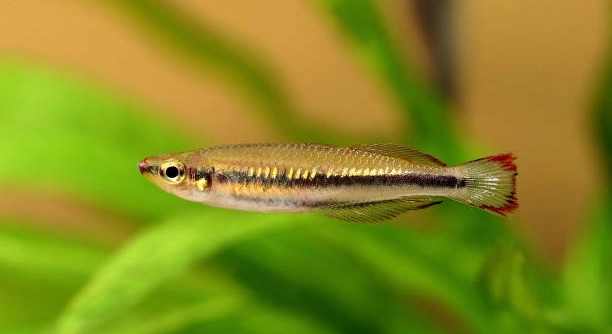
Caring for active aquarium fish often leads to thoughts about how rainbowfish behave in different group sizes in a home environment, especially when trying to create a peaceful and visually balanced community for your tank.
Rainbowfish thrive in groups of at least six, and keeping them in odd numbers holds no specific benefit. Their behavior relies on maintaining a sized school that encourages social stability, reduces stress, and supports consistent movement patterns across the aquarium.
Group size shapes rainbowfish interactions and helps you maintain natural behavior while creating a balanced aquarium that supports calm movement.
Group Size and General Behavior
Keeping rainbowfish in the right group size makes daily care feel smoother, and it also helps you notice small shifts in their behavior that might matter later. When they swim in stable groups, their movements look more natural, and the tank feels calmer. I have always found that larger schools create a pleasing rhythm across the aquarium, especially when the fish settle into a clear social structure. Watching them interact this way makes maintenance easier because they show fewer signs of stress. When rainbowfish feel secure, their colors appear brighter, and they spend more time moving through the tank instead of hiding. This stability also supports feeding routines since confident fish come forward readily at mealtimes. Creating this kind of setup is simple when you stay focused on group size, tank space, and consistent care. A balanced school often leads to a healthier aquarium and a more enjoyable experience overall.
Rainbowfish respond well to stable groups because it keeps their interactions predictable and reduces unnecessary stress. A well sized school allows them to express natural patterns that support steady movement, bright coloration, and calmer behavior throughout the aquarium, creating a more consistent environment for their daily activity with steady support.
Observing rainbowfish in a well arranged group helps you understand how their behavior shifts when conditions feel comfortable and secure. Consistent interaction within the school encourages smoother feeding, easier swimming patterns, and a quieter atmosphere across the tank. I have always noticed that balanced groups create a natural rhythm that makes daily care feel more predictable. When the fish feel supported, they move with confidence and show clearer social behavior, which helps you track their health and habits more easily. This structure also reduces sudden changes in activity and helps maintain a calm environment that supports stable growth over time.
Why Group Size Matters Long Term
Understanding group size helps you support natural behavior patterns and maintain steady interactions among rainbowfish in a shared tank. Keeping their environment organized around stable social structure reduces needless stress and encourages consistent movement that reflects their usual habits, so the aquarium remains calm and stable throughout each regular day.
Maintaining a stable group of rainbowfish helps shape the overall atmosphere of your tank, allowing the fish to express steady movement and predictable social behavior. A consistent school size encourages them to swim with confidence and reduces tension that might arise from uneven group dynamics or limited companionship. I have learned that rainbowfish respond strongly to clear structure, and giving them enough space to interact smoothly makes daily care much easier. When their environment feels secure, they settle into natural routines that support healthy feeding, vibrant coloration, and calm interaction across the aquarium. Balanced group size also helps you track their habits more easily, since confident fish reveal changes in activity sooner and with clearer signals. This makes it simpler to adjust water conditions, feeding schedules, or tank layout when needed. Stable social settings also lower the chance of erratic swimming or hiding, which often appear when fish feel uncertain. By keeping their group at a comfortable size, you create a tank that feels organized and steady, offering a predictable space where rainbowfish can grow and behave in a natural way. This approach supports long term stability and helps your aquarium maintain a peaceful rhythm that reflects their natural instincts.
Social Balance and Tank Harmony
Keeping rainbowfish in balanced groups helps them maintain steady behavior and reduces sudden shifts in activity. I have noticed that when they feel supported by a proper school, their interactions stay calm, and the tank atmosphere remains easier to manage during everyday care.
A balanced group encourages rainbowfish to settle into clear patterns that make feeding, swimming, and exploring feel more predictable. When their social structure feels stable, they show bright coloration and confident movement that reflects their comfort in the tank. I have found that this stability also reduces hiding and quick bursts of nervous activity. It becomes easier to track their habits because they behave in a more consistent way. Maintaining this kind of environment helps you spot changes early, since confident fish reveal signs of stress or illness sooner. With the right group size, daily care becomes smoother, and the aquarium develops a more natural rhythm.
Stable group sizes also support better long term health by encouraging steady interactions that match their natural instincts. When rainbowfish feel secure, they move together with ease and display smoother swimming patterns that prevent unnecessary stress. I have always noticed that this type of setup helps them stay active without becoming frantic or unpredictable. The calm atmosphere supports healthier feeding routines and reduces the chances of uneven behavior that might confuse other tank mates. With fewer sudden changes in movement, the tank remains more peaceful, making maintenance easier and helping you understand your fish more clearly.
Minimizing Stress in Active Species
Reducing stress for rainbowfish starts with giving them enough companions to feel secure. I have often seen that when they swim in a balanced group, they show calmer movement and maintain steady routines that support a healthier environment for everyone in the aquarium.
Maintaining an appropriately sized school helps rainbowfish avoid the tension that appears when they lack social support. Their behavior becomes smoother, and they show fewer signs of irritation or nervousness. I have found that this structure makes their interactions more predictable and keeps the tank from feeling overly chaotic. When they feel supported, they reveal clearer signals about their health, which allows you to respond quickly to small changes. This helps maintain a steady feeding schedule and a calm swimming pattern across the aquarium. A balanced group also prevents isolation, which often leads to hiding or sudden darting. Keeping them in proper numbers creates a stable space where rainbowfish can move safely and comfortably, making daily care simpler and more enjoyable.
School Size and Daily Activity
Balanced school size helps rainbowfish maintain steady activity without sudden bursts of nervous movement. I have noticed that when they feel supported by enough companions, they swim with smoother patterns that keep the tank calm and easier to manage.
A proper group also encourages them to take part in regular feeding without hesitation. Confident fish come forward quickly, making mealtime predictable and reducing the chance of uneven eating habits. This creates a stable routine that supports their long term well being.
Encouraging Natural Swimming Patterns
Rainbowfish rely on group structure to guide their swimming and daily behavior. When they feel secure, they move through the tank with purpose and avoid the scattered patterns that appear when they feel unsure or isolated. I have always noticed that keeping them in balanced groups reduces erratic movement and helps them maintain a consistent rhythm while exploring the aquarium. This calmer behavior also supports better interactions with other species, since steady movement reduces unnecessary tension. With proper social support, rainbowfish develop smoother routines that make the entire tank feel more organized and predictable.
Maintaining Stability in Shared Spaces
Balanced groups help rainbowfish stay calm in community tanks, making interactions with other species more manageable. I have seen that when they feel secure, they approach shared spaces with confidence and avoid the sudden movements that can disrupt peaceful coexistence.
FAQ
How many rainbowfish should I keep together?
Rainbowfish thrive in groups of six or more, as smaller numbers can lead to stress and shy behavior. I have noticed that when there are fewer than six, they often hide or dart nervously around the tank. Keeping at least six allows them to swim in natural formations and display bright coloration. It also makes daily care easier because their social interactions are stable and predictable. A well-sized school encourages feeding at the same time, reduces aggression, and creates a calmer aquarium environment overall.
Can I keep rainbowfish in odd numbers?
Odd numbers do not offer any specific advantage. What matters most is maintaining a minimum group size that supports social behavior. I have kept both even and odd numbers, and the difference in behavior was negligible as long as the group included six or more individuals. The fish still form a school, and their activity patterns remain smooth. What really affects harmony is space, tank layout, and consistent care rather than the exact number being odd or even.
Will rainbowfish fight if the group is too small?
Yes, small groups can increase tension. I have observed that when rainbowfish are kept in pairs or trios, they sometimes chase each other more aggressively. Larger schools distribute attention among members, which helps reduce aggressive encounters. Stress from insufficient companions can also cause them to hide, lose color, or develop nervous movement patterns. Keeping the recommended group size prevents this issue and encourages calm, confident behavior.
Do rainbowfish need other species in the tank?
Rainbowfish do well with compatible tank mates but do not require them for social balance. I have often kept them in species-only tanks, and they remain active and colorful. Other peaceful species can add visual interest, but the school of rainbowfish should always have enough numbers to maintain internal harmony. Mixing with more aggressive or very slow species may disrupt their swimming patterns, so careful selection is key.
How do I know if my rainbowfish are stressed?
Signs of stress include hiding, erratic swimming, loss of color, and refusal to eat. I pay close attention to these behaviors in my tanks, as they indicate the group might be too small or the environment needs adjustment. Stress can also appear if water conditions are inconsistent. Observing social behavior in a stable group is the best way to notice subtle changes early.
What tank size is best for rainbowfish?
Tank size depends on the number of fish. I typically use at least 20 gallons for a small school of six, with additional space added for each extra fish. More room allows them to swim freely, form natural groups, and reduce stress. Overcrowding leads to poor water quality and aggressive behavior. The right tank size supports their social needs and daily activity.
Should I separate rainbowfish if they fight?
Separation is only necessary if fights cause injury. I have occasionally removed a single aggressive fish temporarily, and tensions usually decreased once the group stabilized. Often, adjusting group size, adding hiding spots, or rearranging decor is enough to restore balance without long-term separation.
Do rainbowfish show natural behaviors in captivity?
Yes, they display schooling, territorial displays, and active swimming when in a proper group. I have found that their natural patterns are most visible when the school is stable and the tank environment supports exploration. Smaller or stressed groups tend to hide more and show less vibrant coloration. Observing their social interactions helps gauge overall well-being.
Can rainbowfish thrive in odd-numbered groups long term?
Odd-numbered groups can thrive if the total number is sufficient to form a stable school. I have maintained groups of seven or nine without issue. What matters more is ensuring they have enough companions to reduce stress, maintain calm behavior, and show consistent social patterns. Odd numbers are not harmful as long as the group is large enough.
How do I introduce new rainbowfish to an existing group?
Introduce new fish gradually, using a quarantine period if possible. I have found that slow acclimation reduces stress and prevents aggression. Placing the new fish in a separate section of the tank first allows the group to adjust visually before physical interaction. Once the new fish is comfortable, gradual integration supports social balance and maintains harmony in the aquarium.
What feeding habits should I expect in a school?
Rainbowfish in a stable group feed confidently and simultaneously. I usually notice that even shy individuals come forward when there is safety in numbers. Feeding becomes easier to manage, and all fish receive proper nutrition. Smaller or stressed groups may require more effort to ensure every fish eats adequately. A balanced school ensures consistent feeding behavior and reduces competition.
How important is decoration and tank layout for rainbowfish?
Very important. I always include open swimming spaces with scattered hiding spots. Proper layout allows natural schooling behavior while providing refuge if needed. Crowded or poorly arranged tanks can increase stress and disrupt swimming patterns. A thoughtful layout supports group cohesion and encourages healthy daily activity.
Can rainbowfish adapt to smaller groups over time?
They can adapt, but long-term health and coloration may be affected. I have observed that smaller groups often show more hiding and stress-related behaviors. While they survive, their natural social patterns are less visible, and feeding may become uneven. Maintaining an adequate school ensures optimal behavior and long-term well-being.
Do males and females behave differently in schools?
Yes, males often display brighter colors and may chase each other during dominance displays, while females are generally calmer. I have noticed that a balanced ratio helps reduce tension and supports smoother interactions. Proper group size ensures that males do not stress females excessively, maintaining harmony across the school.
How can I monitor the health of my rainbowfish?
Regular observation of behavior, color, and activity is key. I check for signs of stress, erratic swimming, or sudden changes in appetite. A stable group makes monitoring easier because deviations stand out. Healthy rainbowfish maintain schooling behavior, bright coloration, and predictable movement patterns. Consistent water parameters and attention to social balance support long-term health.
What should I do if the group feels unbalanced?
Adjusting group size, adding hiding spaces, or rearranging decorations usually restores balance. I have found that interventions like temporary separation of aggressive fish or careful introduction of new companions help maintain calm behavior. Ensuring enough individuals for social stability is the most effective way to keep the aquarium harmonious.
Are odd-numbered groups more prone to stress?
Not if the total number is sufficient. I have maintained odd-numbered schools successfully by keeping at least six fish. Stress is more linked to group size, space, and tank environment than whether the number is odd or even. The key is ensuring a supportive social structure for natural behavior.
Can rainbowfish live alone?
They can survive, but long-term isolation often leads to stress, hiding, and less vibrant coloration. I have always recommended keeping them in groups of six or more. Social interaction is vital to display natural swimming patterns and reduce nervous behavior, ensuring they remain active and healthy.
What is the best way to expand my rainbowfish school?
Introduce new individuals gradually and monitor interactions carefully. I add one or two fish at a time to maintain balance. Ensuring proper tank size, hiding spots, and stable water conditions supports smooth integration. Gradual expansion preserves harmony and prevents stress-related issues in the school.
Do rainbowfish need special care in mixed-species tanks?
Yes, they need peaceful tank mates that do not disrupt schooling. I always observe interactions closely when introducing other species. Aggressive or overly slow fish can stress rainbowfish, affecting swimming patterns and feeding. Choosing compatible species and maintaining proper group size keeps the school calm and healthy.
How long does it take for a new school to settle?
Settling time depends on group size and tank layout. I usually see stable behavior after a few days to a week. Adequate companions, open swimming space, and hiding spots support quick adjustment. Observing daily interactions helps ensure the school has formed a cohesive social structure.
Can environmental changes affect schooling behavior?
Yes, sudden changes in water parameters, temperature, or tank arrangement can disrupt natural patterns. I always make gradual adjustments to minimize stress. Stable conditions combined with proper group size encourage smooth swimming, consistent feeding, and calmer interactions. Predictable environments support healthy social behavior in rainbowfish.
Is it okay to mix different rainbowfish species?
It can work if the species are compatible in size, temperament, and water requirements. I have successfully mixed species with similar behavior, but I always monitor closely for stress or dominance issues. Group cohesion and tank balance are critical for mixed-species schools to thrive.
What are the signs of a well-adjusted rainbowfish group?
Smooth swimming, bright colors, calm feeding, and minimal chasing indicate a healthy school. I look for consistent schooling patterns and natural interaction among individuals. When the group feels secure, the aquarium is visually balanced, and daily maintenance is easier because stress-related behaviors are minimal.
Can rainbowfish tolerate odd water conditions if the group is large enough?
Large groups can buffer minor stress from less-than-ideal conditions, but I always recommend keeping water parameters stable. Stress can increase if conditions fluctuate, even with a full school. Proper water maintenance combined with group stability ensures long-term health and predictable behavior.
How do I encourage shy rainbowfish to participate in the group?
Providing enough companions and open swimming space usually helps. I have noticed that shy individuals gain confidence when they feel supported by a stable school. Gradually introducing food and observing their movements encourages participation without forcing interaction, supporting natural social behavior.
What should I prioritize when setting up a rainbowfish tank?
Group size, water quality, tank layout, and compatible species matter most. I focus on creating a calm environment with enough space for swimming and hiding. Proper social structure ensures stress-free behavior, brighter colors, and smooth feeding routines. These priorities make daily care simpler and support long-term well-being.
How often should I monitor my rainbowfish?
Daily observation is best. I check their movement patterns, feeding, coloration, and interaction within the school. Stable groups make it easier to notice early signs of stress or illness, allowing timely intervention and maintaining harmony in the tank.
Can rainbowfish adapt to new tanks easily?
Gradual acclimation helps. I transfer them slowly, using quarantine or visual separation when needed. Proper support from their school and stable water conditions minimizes stress. Observing their behavior for the first few days ensures they adjust without disrupting natural patterns.
Are larger schools easier to manage than smaller ones?
Yes, larger schools reduce aggression and nervous behavior. I have found that tanks with six or more rainbowfish are calmer and more predictable. Small groups often show hiding and erratic swimming, making care more challenging. A sufficient number ensures social stability and smooth daily routines.
How can I prevent aggression in rainbowfish?
Balanced group size, adequate space, and hiding spots help. I also maintain compatible tank mates. Aggression usually occurs in small or overcrowded schools. Ensuring a supportive social environment allows rainbowfish to express natural behavior without conflict, keeping the tank peaceful.
Do rainbowfish need enrichment in the tank?
Yes, plants, open swimming areas, and hiding spots support mental and physical well-being. I always arrange the tank to encourage exploration while maintaining enough room for schooling. Enrichment promotes calm, natural behavior and prevents stress-related issues in the aquarium.
Can rainbowfish thrive in community tanks with odd numbers?
Yes, as long as the group is large enough to maintain social stability. I have successfully kept odd-numbered schools in mixed tanks. Proper tank layout, group size, and compatible species are more important than whether the number is odd or even.
What should I watch for after adding new fish?
Monitor swimming patterns, color, and feeding behavior closely. I usually see temporary curiosity or minor chasing, but stable groups adjust quickly. Long-term behavior indicates if the school has accepted the new addition and maintains calm social interactions.
Do rainbowfish prefer planted or open tanks?
A mix works best. I always provide open swimming space for schooling and scattered plants for hiding. This balance encourages natural movement, reduces stress, and supports healthy interactions within the group, keeping the aquarium visually appealing and behaviorally stable.
How do I handle disease in a rainbowfish school?
Early detection is key. I isolate affected individuals if necessary, maintain water quality, and treat carefully to avoid stressing the rest of the school. Stable groups make it easier to notice symptoms and respond quickly, protecting overall health.
Can rainbowfish live in small tanks if they are in odd numbers?
Small tanks increase stress regardless of numbers. I recommend adequate space for each fish, which supports schooling, swimming patterns, and natural behavior. Even odd-numbered groups need sufficient room to maintain health and avoid aggression.
What water parameters are best for rainbowfish?
Stable temperature, pH, and cleanliness are essential. I always monitor these closely, as fluctuations cause stress. Proper parameters combined with a supportive school promote bright coloration, smooth swimming, and calm social interactions, ensuring long-term well-being.
How often should I feed my rainbowfish?
Once or twice daily is sufficient. I provide a balanced diet and observe feeding patterns within the group. Stable schools ensure even distribution of food and reduce competition, keeping all fish healthy and active.
Can rainbowfish adapt to new companions?
Yes, if introductions are gradual. I always acclimate new fish slowly and watch interactions. Adequate hiding spots and stable school size help prevent stress or aggression, supporting smooth integration into the group.
Are rainbowfish active at specific times?
They are most active during daylight hours. I have seen consistent swimming, feeding, and exploration patterns throughout the day, especially when the school feels secure. Activity declines at night, reflecting natural behavior and promoting restful periods.
Do males display differently in schools?
Yes, males often show brighter colors and dominance displays. I balance ratios to reduce tension. Proper group size ensures that males do not stress females or cause excessive chasing, maintaining calm social interactions.
How do I maintain long-term harmony in a rainbowfish tank?
Focus on group size, tank layout, compatible species, and stable water parameters. I regularly observe behavior and adjust as needed. Maintaining these elements ensures smooth schooling, calm interactions, and predictable daily routines.
What is the role of hiding spots in the tank?
Hiding spots reduce stress, provide refuge, and support natural behavior. I always include plants or decorations that allow retreat without obstructing swimming. This balance encourages confidence and smoother social interactions.
Can rainbowfish school with other species?
Yes, if the species are compatible. I monitor interactions closely, ensuring the school maintains cohesion. Confident, balanced groups adapt better and reduce stress in mixed tanks.
How do I encourage schooling behavior?
Maintain adequate group size, open swimming areas, and consistent care. I observe daily movements and make adjustments to tank layout when necessary. Stable conditions promote natural schooling and smooth interaction patterns.
Are rainbowfish shy in small groups?
Yes, smaller groups often hide and show nervous behavior. I always keep at least six fish to support confident movement, social interaction, and visible coloration, ensuring a stable and calm aquarium environment.
How do I know when my rainbowfish are fully comfortable?
Smooth swimming, bright colors, active feeding, and calm interactions indicate comfort. I watch for consistent patterns across the school. When these behaviors are present, the group is well-adjusted and stable.
Can sudden changes in tank conditions disrupt a school?
Yes, abrupt changes in temperature, pH, or water quality can stress the group. I always adjust conditions gradually and observe behavior to maintain calm and predictable schooling.
Is it okay to mix male and female ratios unevenly?
Minor imbalances are acceptable, but extreme ratios can increase stress. I aim for a balanced group to reduce chasing and support smooth interactions, keeping the aquarium calm and healthy.
How important is water filtration for rainbowfish?
Very important. I rely on efficient filtration to maintain clear water, reduce waste buildup, and prevent stress. Stable water quality supports natural behavior, smooth swimming, and consistent coloration.
Do rainbowfish need light cycles?
Yes, regular light cycles support daily activity and resting periods. I maintain consistent day and night schedules, which helps the school develop predictable behavior patterns and reduces stress in the aquarium.
Can rainbowfish become aggressive if overcrowded?
Yes, overcrowding increases stress and chasing behavior. I ensure proper space per fish, maintain group size, and monitor interactions to prevent aggression, supporting calm schooling and healthy movement.
How do I prevent disease spread in a school?
Quarantine new fish, maintain water quality, and isolate sick individuals. I monitor the group closely for early signs of illness. Stable, healthy schools are easier to manage and less prone to outbreaks.
Are rainbowfish sensitive to temperature changes?
Yes, sudden changes can cause stress. I always maintain stable temperature ranges suitable for the species. Proper conditions help them swim confidently, feed regularly, and display natural coloration.
Do rainbowfish interact with decorations?
Yes, they use plants and structures for hiding, resting, and exploration. I arrange the tank to allow swimming paths and retreats, which supports natural behavior and reduces stress in the group.
How do I know if my rainbowfish are bored?
Signs include sluggish swimming, hiding, or chasing tank mates excessively. I provide open swimming space, plants, and hiding spots to encourage natural exploration and engagement, keeping them active and healthy.
Can rainbowfish adapt to gradual water parameter changes?
Yes, gradual adjustments allow the school to maintain normal behavior. I slowly acclimate them to new conditions, monitor responses, and provide consistent support, preventing stress and maintaining calm interactions.
What is the ideal pH for rainbowfish?
Most rainbowfish prefer a neutral to slightly alkaline pH around 6.5–7.5. I keep water within this range to support vibrant coloration, calm schooling, and healthy daily routines. Stable pH reduces stress and maintains consistent behavior.
Do rainbowfish need aeration?
Yes, adequate oxygenation supports active swimming and overall health. I use gentle aeration to maintain water quality without disrupting schooling patterns or creating unnecessary stress in the tank.
How do I encourage shy fish to feed in a school?
Providing enough companions and feeding consistently helps. I have found that shy fish feel safer approaching food when they see others feeding confidently, ensuring all individuals receive proper nutrition without stress.
Can rainbowfish tolerate minor tank disturbances?
Yes, small disturbances are manageable if the group is large and stable. I minimize sudden changes and allow the school to adjust gradually, keeping behavior predictable and interactions calm.
What is the best way to observe schooling behavior?
Daily observation during feeding and swimming periods works best. I watch movement patterns, social interactions, and color vibrancy to gauge comfort and health, making adjustments when necessary to maintain balance and harmony.
Do rainbowfish require varied diets?
Yes, a mix of flakes, pellets, and occasional live or frozen food keeps them healthy. I provide variety to support coloration, activity, and overall well-being while ensuring even distribution among the group.
Can rainbowfish tolerate community tank noise?
They handle moderate activity, but excessive disturbance increases stress. I arrange the tank to provide calm swimming areas and hiding spots,
Final Thoughts
Keeping rainbowfish in appropriate group sizes is one of the most important aspects of maintaining a healthy aquarium. I have found that groups of six or more allow the fish to display natural behavior, swim confidently, and interact smoothly with each other. Smaller groups often lead to stress, hiding, or erratic movement, which can make daily care more challenging. Proper schooling helps them maintain their bright coloration, improves feeding routines, and encourages calm, predictable movement across the tank. From my experience, observing a well-sized group is far more enjoyable, as the fish move with purpose and the aquarium feels lively yet balanced.
The social structure of rainbowfish is key to their overall well-being. When they have enough companions, aggressive behavior is reduced, and shy individuals gain confidence. I have noticed that in stable schools, fish spend less time hiding and more time exploring, which creates a healthier environment. Group stability also helps identify problems early, since stressed or sick individuals stand out more clearly in a cohesive school. Proper tank layout and decorations further support this structure by providing open swimming areas and safe retreats, allowing each fish to feel secure while maintaining natural behavior. Maintaining balance in group size and environment reduces tension, supports feeding routines, and makes daily maintenance more predictable and less stressful.
Long-term success with rainbowfish relies on consistency and attention to their social needs. I have found that keeping a stable school, providing proper tank space, and monitoring water conditions regularly leads to healthier, more active fish. Odd numbers do not negatively affect the group as long as the total is sufficient to form a stable school. When the group is balanced, interactions remain smooth, schooling is maintained, and the tank environment stays calm. Paying attention to these details ensures rainbowfish display natural movement, maintain vibrant coloration, and interact confidently with each other and with other species. Overall, focusing on proper group size, environment, and routine care makes it possible to create a stable, harmonious aquarium where rainbowfish thrive.

Hello,
If you enjoy the content that we create, please consider saying a "Thank You!" by leaving a tip.
Every little bit helps us continue crafting quality advice that supports the health, happiness, and well-being of pets around the world, for pets of all shapes, sizes, and species.
We really appreciate the kindness and support that you show us!