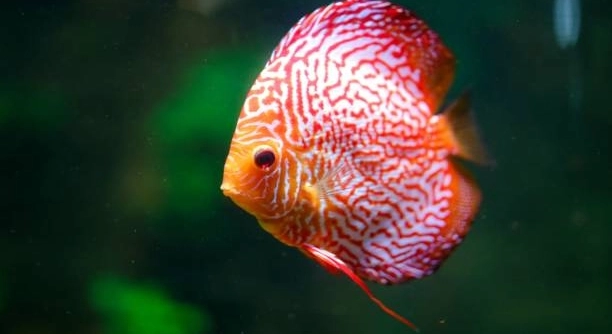
7 Things That Can Stress Discus During the Day
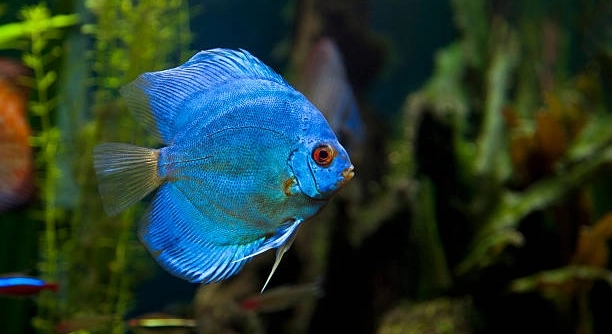
Discus fish are popular in home aquariums for their bright colors and graceful movements. However, these delicate fish can face several stress factors throughout the day. Recognizing these stressors helps keep them healthy and happy. Discus experience stress from factors such as poor water quality, sudden changes in temperature, overcrowding, improper diet, loud noises, strong … Read more
Do Discus Fish Know When It’s Feeding Time?

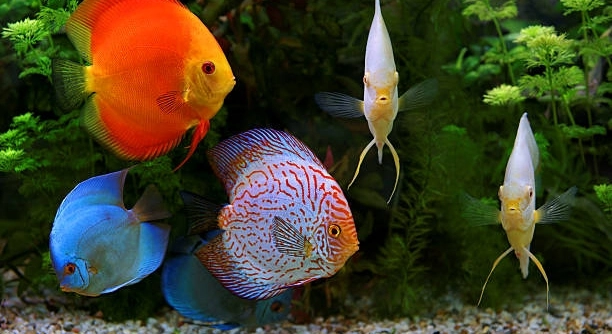
Have you ever watched your discus fish gather near the glass and wondered if they truly recognize when it’s feeding time? Their graceful movements and attentive behavior often seem more than just coincidence during mealtime. Discus fish can recognize feeding time through a combination of routine, environmental cues, and associative learning. When feedings occur consistently, … Read more

Can Discus Be Kept with Tetras and Rasboras?

Keeping discus fish with tetras and rasboras is a common consideration for many aquarium enthusiasts. These species are popular for their vibrant colors and peaceful nature. Understanding how well they coexist is important for a balanced tank environment. Discus fish can be kept with tetras and rasboras as they share similar water parameters and temperaments. … Read more

What Happens If You Skip a Water Change?

Many aquarium owners enjoy caring for their fish and maintaining a clean tank. Regular water changes are part of keeping the tank healthy and the fish happy. Skipping these changes can affect the entire environment inside the aquarium. Skipping a water change causes the buildup of harmful waste, toxins, and uneven water chemistry. This creates … Read more

7 Parameters to Check Weekly for Discus Health

Discus fish are beautiful and delicate pets that require careful attention to their health. Regular monitoring of certain water and tank conditions is essential to keep them thriving and prevent common health problems. Knowing what to check weekly helps maintain a stable environment for these fish. Maintaining discus health involves tracking seven key parameters each … Read more

Are Discus Fish Aggressive? (7 Facts to Know)

Discus fish are popular among aquarium enthusiasts for their vibrant colors and graceful movements. Many keepers want to understand their behavior better, especially regarding aggression. Knowing the basics can help create a peaceful tank environment for these striking fish. Discus fish generally display mild territorial behavior but are not overly aggressive compared to other cichlids. … Read more

7 Best Water Test Kits for Discus Fish Owners

Caring for discus fish requires careful attention to water quality. Maintaining the right environment helps keep these vibrant fish healthy and thriving. Choosing the best water test kit is essential for accurate monitoring and maintaining proper tank conditions. Reliable water test kits for discus fish owners provide precise measurements of important parameters such as pH, … Read more

How to Deal with Sudden Discus Illness

Sudden illness in discus fish can be alarming for any aquarium enthusiast. These vibrant fish are sensitive to changes in their environment, and quick action is often necessary. Knowing how to respond can make a significant difference. The best approach to dealing with sudden discus illness involves identifying symptoms early, isolating affected fish, maintaining optimal … Read more

7 Ways to Make a Peaceful Discus Group

Creating a peaceful discus group can sometimes feel challenging, especially when different fish show signs of stress or aggression. Many aquarists want to maintain harmony but aren’t sure where to start or what to focus on. This article aims to help with practical steps for a calm environment. Maintaining a peaceful discus group involves careful … Read more

Can Discus Fish Get Too Attached to Each Other?

Do your discus fish seem inseparable, always swimming together and acting like they can’t be apart for even a moment? Discus fish can form strong pair bonds, especially in small groups or during breeding. While this attachment is usually harmless, excessive pairing may lead to stress, aggression, or health issues in less dominant tank mates. … Read more