
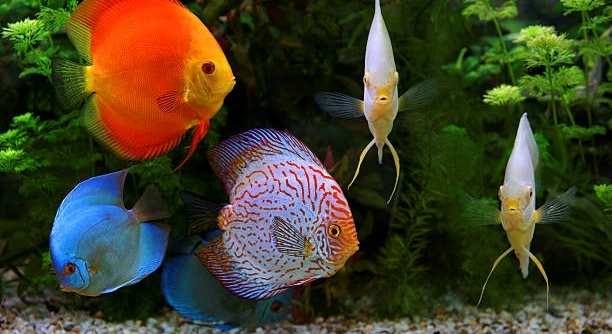
Have you ever watched your discus fish gather near the glass and wondered if they truly recognize when it’s feeding time? Their graceful movements and attentive behavior often seem more than just coincidence during mealtime.
Discus fish can recognize feeding time through a combination of routine, environmental cues, and associative learning. When feedings occur consistently, they begin to anticipate food by reacting to regular patterns in light, movement, and human presence.
Observing how discus fish respond to mealtime can reveal more about their intelligence and adaptability in a home aquarium setting.
How Discus Fish Learn Feeding Patterns
Discus fish are intelligent and observant, especially when it comes to food. Over time, they learn routines based on consistency in your actions. When feedings happen at the same time each day, discus fish start to expect it. They notice your movement near the tank and associate it with being fed. The sound of the lid opening or the shadow of your hand above the water becomes familiar to them. These environmental cues help them link time and behavior. Bright lighting schedules and regular feeding times also play a role. Discus fish respond well to patterns, and this helps build habits. They may swim toward the front of the tank or become more active as the expected time approaches. Watching them recognize feeding time can make care feel more rewarding. It shows they’re not just reacting—they’re anticipating, remembering, and adapting to daily aquarium life.
Repetition and consistency help discus fish feel secure and encourage routine-based learning.
Discus fish don’t rely on a clock. Instead, they react to your presence and repeated daily cues, developing habits through observation. These cues allow them to predict when food is coming. Their awareness improves with routine, making feeding more efficient and interactive.
Why This Behavior Matters
Understanding how discus fish recognize feeding time helps improve their care and makes aquarium maintenance easier. When they anticipate feeding, they become more active and responsive. This allows you to monitor their health better and detect changes in behavior. It also reduces stress, as a consistent feeding schedule provides a sense of stability. Fish that feel secure are less likely to act aggressively or become withdrawn. This behavior supports a healthy environment, especially in community tanks. By building trust through routine, discus fish will continue to respond positively over time. Observing them closely during feeding also gives you a chance to check for signs of illness, such as a lack of appetite or sluggish movements. Their response to feeding is more than habit—it’s a useful tool for tracking their condition. A consistent schedule, paired with good tank conditions, keeps them thriving and helps you feel confident in their care.
Environmental Cues That Trigger Feeding Response
Discus fish pay close attention to small changes around them. The sound of your footsteps, light changes, or even shadows near the tank can alert them that feeding time is near. These cues become part of their routine.
If you turn on the lights at the same time each day before feeding, your discus will associate that light change with food. Similarly, walking toward the tank regularly before feeding helps them form expectations. They recognize patterns in your movements, especially if you’re consistent. These fish also respond to vibrations from the tank lid being opened or the filter temporarily stopping. Over time, even the container you use to hold food becomes a signal. Discus fish have strong observational skills, and they use repetition to understand when to expect food. These signals tell them something is about to happen, and they respond accordingly, often by gathering near the front of the tank.
Visual movement outside the tank, such as a person approaching, can signal feeding. When this happens daily, discus fish adapt and respond with excitement. They learn quickly and adjust their behavior to match the schedule. Simple, consistent actions are key to reinforcing this feeding routine, helping them recognize what to expect and when.
Importance of Routine for Discus Behavior
Keeping your discus fish on a schedule builds trust and reduces their stress. They become familiar with the timing of feedings and start to behave calmly between meals. It keeps their environment predictable and supports their overall well-being in the tank.
Routines also help discus fish avoid confusion or competition over food. When fish are fed consistently, they don’t feel the need to rush or dominate during feeding. This leads to a more peaceful tank, especially if you have a group of discus. Their calm behavior makes tank maintenance easier because they’re less likely to panic when you approach. Inconsistent feeding can lead to skittishness or aggression, which is stressful for both fish and owner. Establishing simple habits, such as feeding at the same time each morning or evening, helps build a rhythm they can rely on. Over time, you’ll notice they wait quietly, respond positively, and remain healthier in a well-structured environment.
How Feeding Time Affects Tank Behavior
Discus fish become more active as feeding time approaches. They swim toward the front of the tank, hover near the surface, or group together. This behavior can also influence how other fish in the tank react.
Consistent feeding helps reduce aggression. When fish know food is coming, they’re less likely to compete or show dominance. This creates a calmer, more stable tank environment overall.
How Long It Takes Discus to Learn a Routine
Discus fish usually start recognizing a feeding schedule within one to two weeks. Repeating the same routine daily—same time, same actions—helps them pick up on cues more quickly. You’ll notice subtle changes at first, like gathering near the front or becoming more alert. With time, their response becomes more consistent and predictable. Visual and audio triggers, such as footsteps or lids being lifted, begin to signal food. The more regular you are with the schedule, the faster they’ll learn. They don’t need complex training, just steady repetition. Once established, these routines become part of their daily behavior in the aquarium.
Things That Can Disrupt Their Routine
Sudden schedule changes, missed feedings, or unusual tank activity can confuse discus fish. They may seem less active or appear stressed when their routine is broken. Maintaining consistency helps them stay calm, healthy, and responsive.
FAQ
Can discus fish tell time like humans do?
Discus fish do not understand time the way humans do, but they can recognize patterns. They rely on environmental cues such as lighting, movement, and sounds to predict when feeding occurs. These cues become part of a learned routine. Over time, their behavior adjusts to match the schedule, making it seem like they can tell time. What they’re really doing is responding to signals that repeat daily. If those signals change, their behavior will likely shift too. Routine is what they understand, not the clock itself.
How long can I go without feeding my discus fish?
Healthy adult discus can go up to two or three days without food, though this should not happen regularly. Younger discus need to be fed more frequently due to their growth needs. Missing a single feeding occasionally is not harmful, but it can disrupt their routine. A sudden break in feeding can cause stress, especially if they’re used to a consistent schedule. If you need to be away, try arranging for someone to feed them or use an automatic feeder to maintain consistency.
Will discus fish beg for food if they recognize me?
Yes, discus fish often learn to associate their owners with food and may swim toward the glass when they see you. This behavior can look like begging, but it’s really a sign that they recognize you as part of their feeding routine. They’ve learned to connect your presence with the arrival of food. This type of interaction is common among aquarium fish and shows they can form associations based on experience. It’s a clear example of learned behavior tied to feeding patterns and daily habits.
Can discus fish become aggressive around feeding time?
Discus fish can become mildly aggressive if they feel competition for food, especially in crowded tanks or during inconsistent feeding schedules. They may push others aside or act territorial during feeding. Regular, evenly spaced feedings help reduce this behavior. Providing enough food and using feeding stations or spreading food out in the tank can lower tension. Fish that feel secure and well-fed tend to stay calmer. Keeping the group well-balanced and the environment peaceful also helps reduce any feeding-related aggression.
What happens if I feed my discus at random times?
Feeding discus at random times can lead to confusion, stress, and uneven eating habits. Without a predictable schedule, they won’t know when to expect food, which can make them anxious or overly excited during unexpected feedings. They may also compete more aggressively for food or show signs of restlessness. A lack of routine can affect their health over time. Sticking to consistent feeding times helps promote stability, better digestion, and calm behavior. Even small changes in timing should be introduced gradually.
Do discus fish respond differently to live food versus pellets?
Discus fish often show more excitement when offered live food. It triggers their natural hunting instincts, making feeding time more stimulating. They may swim faster, focus more, or compete eagerly for live food. With pellets or flakes, the response is calmer but still attentive. If live food is used too often, some discus may become picky and reject dry food. It’s best to offer variety and keep feeding balanced. That way, they stay interested without becoming dependent on one type of food.
Can discus fish learn from each other during feeding time?
Yes, discus fish can observe and mimic one another. If a few fish start moving toward the surface or showing signs of excitement, others will often follow. This shared behavior strengthens group learning. Over time, even newer or shyer fish begin to pick up on feeding cues simply by watching their tank mates. It reinforces the routine and makes the whole group more responsive. This is especially helpful in mixed-age tanks, where younger fish learn quickly by copying older ones.
What if my discus fish stop responding at feeding time?
If discus fish suddenly stop showing interest in feeding time, it may signal a problem. Possible reasons include stress, illness, changes in water quality, or inconsistent feeding. Watch for signs like sluggish swimming, hiding, or ignoring food. Check water parameters first to rule out poor conditions. Also, consider whether their routine has changed recently. Restoring a steady schedule and monitoring their behavior closely can help them return to normal. If the issue continues, it might be time to consult an aquarium specialist.
Do lighting schedules affect feeding behavior?
Yes, lighting plays a big role in discus behavior. A regular light cycle helps them know when to be active and when to expect food. Sudden lighting changes or irregular light schedules can confuse them and interfere with their feeding habits. Most aquarists keep lights on for 8–10 hours a day. Try to match your feeding schedule to their active periods, usually during the lit hours. Stable lighting helps reinforce all parts of their daily routine, not just feeding.
Can discus fish remember routines long-term?
Discus fish can retain feeding routines for a long time, especially if those routines stay consistent. If a regular feeding time is followed for weeks or months, they will continue responding to that time even after minor breaks or changes. Their ability to associate cues with food shows how strong their memory is in specific contexts. They may not remember every detail, but they definitely recognize repeated patterns. This kind of memory supports their health and makes care easier when routines are maintained.
Final Thoughts
Discus fish may not tell time the way humans do, but they clearly recognize patterns and routines. Through repeated exposure to the same daily events, they begin to show consistent behaviors that align with feeding time. Actions like swimming near the glass, becoming more active, or hovering close to the surface all reflect their ability to associate certain cues with food. These learned habits show how responsive discus fish can be to a structured environment. They may rely on simple signals, but their reactions are steady once they get used to a regular schedule.
Keeping feeding times consistent does more than train your discus to expect food—it supports their overall health and well-being. A routine helps prevent stress, reduces aggressive behaviors in the tank, and gives them a sense of stability. Changes in lighting, noise, or timing can throw them off, so small details matter. Offering the same type of food at the same time each day helps build a calm and predictable environment. This isn’t just about convenience; it’s also about respecting how these fish learn and respond to their surroundings.
Feeding time is a key part of your discus fish’s day. It creates structure, builds trust, and supports their physical condition. When they know what to expect, they eat better, interact more calmly with each other, and stay active in healthy ways. The relationship you build with them through routine also helps you spot changes in their behavior. If they stop responding as usual, it may signal a problem worth checking into. Simple actions—like staying on schedule and paying attention—make a big difference in how your discus adapt and thrive in their tank.

Hello,
If you enjoy the content that we create, please consider saying a "Thank You!" by leaving a tip.
Every little bit helps us continue crafting quality advice that supports the health, happiness, and well-being of pets around the world, for pets of all shapes, sizes, and species.
We really appreciate the kindness and support that you show us!