
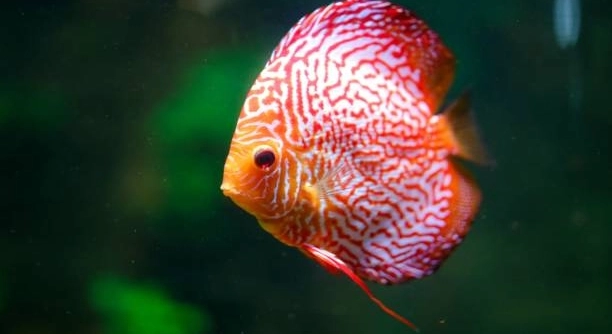
Discus fish are beautiful and delicate pets that require careful attention to their health. Regular monitoring of certain water and tank conditions is essential to keep them thriving and prevent common health problems. Knowing what to check weekly helps maintain a stable environment for these fish.
Maintaining discus health involves tracking seven key parameters each week: water temperature, pH level, ammonia concentration, nitrite levels, nitrate levels, water hardness, and oxygen levels. Consistently monitoring these factors ensures a balanced habitat that supports discus well-being and growth.
Understanding these weekly checks will help you create a healthy home for your discus fish and avoid many common issues that arise from poor water conditions.
Water Temperature
Water temperature is one of the most important factors for discus health. These fish thrive in warm water, usually between 82°F and 86°F (28°C to 30°C). Keeping the temperature stable is key, as sudden changes can stress the fish and weaken their immune system. A reliable heater and thermometer help maintain the right temperature. Checking the water temperature weekly allows you to catch any fluctuations early before they affect your discus. Avoid placing the tank near drafts or direct sunlight, which can cause temperature swings. Proper temperature supports the fish’s metabolism, digestion, and overall activity. It also helps keep beneficial bacteria in the tank balanced, which is vital for water quality.
Regular temperature checks prevent health problems caused by stress or poor water conditions.
A steady warm environment is essential to keep discus healthy and comfortable in their tank.
pH Level
Maintaining the correct pH level is important for discus health. These fish prefer slightly acidic to neutral water, with a pH around 6.0 to 7.0. Monitoring pH weekly ensures the water stays within this range. Large swings can harm the fish, making them more vulnerable to disease.
To keep pH stable, avoid adding substances that change the water chemistry quickly. Using natural materials like driftwood can help lower pH if needed. Testing kits are simple to use and provide quick results. Consistent pH creates a comfortable environment and supports the fish’s natural behavior. If the pH drifts outside the ideal range, the discus may become stressed, eat less, or show signs of illness. Taking action early can prevent these issues. Proper pH control supports the overall balance of the aquarium ecosystem and promotes long-term discus health.
Ammonia Concentration
Ammonia is toxic to discus fish even at low levels. It usually comes from fish waste and uneaten food. Keeping ammonia near zero is essential for their health.
Regular water changes and a good filtration system help keep ammonia low. Test the water weekly to detect any rise early. High ammonia levels cause stress, damage gills, and can lead to death if not addressed. Even small increases can harm discus over time.
If ammonia spikes, perform immediate partial water changes and check your filter’s condition. Avoid overfeeding to reduce waste buildup. Keeping ammonia at zero creates a safer environment and supports your fish’s immune system.
Nitrite Levels
Nitrite is another harmful compound that appears during the nitrogen cycle. Like ammonia, it must be kept as close to zero as possible. Elevated nitrite affects oxygen transport in the fish’s blood, causing stress and potential illness.
Regular testing will help you catch nitrite before it becomes dangerous. If levels rise, more frequent water changes and improving biological filtration are necessary. Healthy beneficial bacteria convert nitrite to nitrate, a less harmful substance. Maintaining a well-established filter supports this process.
Avoid sudden changes to tank maintenance routines, which can disrupt the bacterial colonies. Keeping nitrite low prevents health issues and keeps your discus thriving in a balanced environment.
Nitrate Levels
Nitrate is less toxic than ammonia or nitrite but still needs monitoring. Keeping nitrate below 20 ppm is ideal for discus. High nitrate levels can cause long-term stress and weaken their immune system.
Regular water changes reduce nitrate buildup. Test nitrate weekly to maintain a healthy tank environment.
Water Hardness
Water hardness affects discus comfort and health. Soft water with low mineral content is preferred. Hard water can cause stress and affect breeding.
Using a water test kit weekly helps you monitor hardness. Adjust water with conditioners or mixing distilled water if needed.
Oxygen Levels
Oxygen is vital for discus survival. Poor oxygen levels cause stress and reduce fish activity. Proper aeration and good water circulation maintain oxygen levels.
Check oxygen levels regularly, especially in densely stocked tanks or during warm weather.
FAQ
What is the best way to test water parameters for discus?
Using reliable test kits designed for aquarium water is the best way to check your tank’s parameters. Test kits for ammonia, nitrite, nitrate, pH, and hardness are widely available and easy to use at home. Digital meters can provide more precise readings but are usually more expensive. Testing weekly helps spot changes early and keeps the environment safe for your discus. It’s important to follow the instructions carefully and compare results regularly to notice trends or sudden shifts.
How often should I change the water for discus tanks?
Water changes are essential to keep toxins low and maintain water quality. Generally, changing 25-30% of the tank water once a week is recommended. If nitrate or ammonia levels rise, more frequent changes may be needed. Always use dechlorinated water at the correct temperature and pH to avoid shocking your fish. Regular water changes support healthy bacteria and remove waste that can harm discus health.
Can I rely on automatic filters alone to keep water parameters stable?
While a good filtration system is important, it shouldn’t be your only method of maintaining water quality. Filters help remove physical waste and support beneficial bacteria that break down harmful substances. However, filters can become clogged or fail, leading to dangerous spikes in ammonia or nitrite. Weekly testing and water changes are necessary even with filters. Keeping a routine check ensures your filtration system is working properly and the water remains safe for your discus.
What signs show that my discus fish might be stressed due to poor water quality?
Stress in discus can show as loss of appetite, unusual hiding, faded colors, or sluggish swimming. They might also breathe faster or rub against objects if water quality is poor. Stress lowers their immune system, making them more prone to infections. Regular monitoring of water parameters and quick action at the first signs of stress help prevent serious health problems.
How do I safely adjust pH or hardness if the levels are off?
Adjusting pH or hardness should be done slowly and carefully to avoid shocking your discus. Use commercial pH buffers or natural methods like adding driftwood to lower pH. To increase hardness, you can add minerals or use crushed coral in the filter. Always test the water after adjustments and wait several days between changes. Sudden shifts can stress or even harm your fish, so gradual correction is best.
Is it normal for discus to need warmer water than other tropical fish?
Yes, discus prefer warmer water compared to many tropical species. They thrive between 82°F and 86°F, which supports their metabolism and immune system. Keeping temperature stable within this range prevents stress and promotes healthy growth. Using a reliable heater and thermometer helps maintain the proper environment.
How can I improve oxygen levels in a discus tank?
Increasing surface agitation with an air stone or filter outlet improves oxygen exchange. Adding plants can help, but overcrowding reduces oxygen availability. Warmer water holds less oxygen, so make sure aeration is sufficient especially during hot weather. Regularly check for signs of low oxygen, like fish gasping at the surface, and increase aeration when needed.
Why do ammonia and nitrite sometimes spike after water changes?
Spikes can occur if beneficial bacteria colonies are disturbed or not fully established. New tanks or filter cleanings may temporarily reduce these bacteria, causing harmful substances to build up. Avoid cleaning filter media with tap water, as chlorine kills bacteria. Maintaining a stable, mature biological filter is key to controlling ammonia and nitrite.
What is the safest way to feed discus while maintaining water quality?
Feed small amounts of high-quality food several times a day to avoid leftover waste. Overfeeding leads to excess waste, which raises ammonia and nitrate levels. Remove uneaten food promptly and monitor fish eating habits. A balanced diet supports fish health and keeps the tank cleaner.
Can sudden changes in water parameters cause diseases in discus?
Yes, sudden shifts in temperature, pH, or toxins weaken discus immune systems, making them vulnerable to infections like ich or fungal diseases. Stability in water parameters is crucial to prevent stress-related illnesses. Regular monitoring and gradual adjustments keep your discus healthy and resilient.
Keeping discus fish healthy requires attention to their environment every week. Regularly checking seven key water parameters helps create a stable and safe home for these sensitive fish. By monitoring temperature, pH, ammonia, nitrite, nitrate, water hardness, and oxygen levels, you can catch small problems early before they become serious. This steady care supports the discus’s well-being and helps prevent stress and illness.
Maintaining these parameters does not have to be complicated. Simple tools like water test kits, a reliable heater, and good filtration make it easier to keep conditions right. Testing the water once a week and performing routine water changes are the most effective ways to maintain balance. When changes are needed, adjusting slowly and carefully protects the fish from shock. Even small shifts in water quality can affect discus health, so regular checks are essential to catch these changes early.
With consistent effort, your discus fish will thrive in a healthy tank environment. Paying close attention to water parameters builds a strong foundation for their long-term health. It also reduces the risk of disease and stress, helping your fish live active, vibrant lives. Taking the time each week to check and care for these details can make a big difference in how well your discus flourish.

Hello,
If you enjoy the content that we create, please consider saying a "Thank You!" by leaving a tip.
Every little bit helps us continue crafting quality advice that supports the health, happiness, and well-being of pets around the world, for pets of all shapes, sizes, and species.
We really appreciate the kindness and support that you show us!