
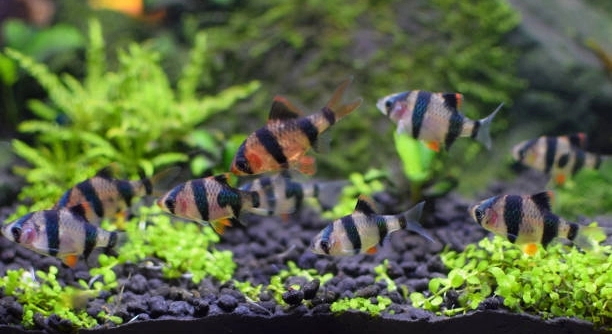
Have you ever watched your Tiger Barbs swim restlessly after a change in their tank environment and wondered what they’re feeling?
Tiger Barbs are social fish that can respond to the absence of a tankmate with increased stress and changes in behavior. These changes may include reduced activity, aggression, or visible signs of anxiety, especially in smaller groups.
Understanding these behavioral shifts can help you create a more stable and comfortable environment for your Tiger Barbs going forward.
Why Tiger Barbs React to Absences
Tiger Barbs are known for their active and social nature. In a group, they display more balanced behavior and seem less anxious. When one or more are removed, especially from a small school, the remaining fish can become unsettled. This is because their natural instincts rely on group dynamics for security and interaction. Without enough tankmates, Tiger Barbs may become more aggressive or withdrawn. Their schooling behavior plays a big part in how safe they feel. A stable group helps regulate their activity levels and supports their need for constant movement. Once a member of the group is gone, even temporarily, the balance shifts. You might notice signs like pacing, hiding, or nipping at other fish. These are small but important changes that show how sensitive they can be to social disruptions. While not as emotionally complex as mammals, Tiger Barbs are clearly affected by the social makeup of their environment.
Even though they’re hardy fish, their behavior can shift quickly when their group is altered.
Keeping at least six Tiger Barbs together usually helps reduce stress. A larger group allows them to form a pecking order and spread out their energy. This minimizes tension and makes their environment more comfortable.
What You Can Do to Help
Maintaining group numbers helps Tiger Barbs feel more stable in their tank.
If you need to remove a Tiger Barb for any reason, try to do so for the shortest time possible. Temporary separations, like for medical treatment or quarantine, can disrupt the group dynamic. Once the fish is back, monitor the tank closely. Look for signs of aggression or avoidance. It helps to rearrange decorations slightly before reintroducing the fish. This creates a “new” environment, allowing the group to reset their hierarchy. If a Tiger Barb dies, consider replacing it, especially if your group drops below six. While no two fish are the same, keeping a steady group size helps preserve harmony. It’s also important to keep an eye on water quality and feeding routines. Stress from changes can make them more sensitive to shifts in water parameters. Calm, consistent care can reduce the impact of tankmate absences and keep the group healthy and active.
How Stress Shows in Their Behavior
Tiger Barbs often show stress through fast, jittery swimming or sudden hiding. Some may begin to nip more at other fish, even if they weren’t aggressive before. These changes can appear shortly after a tankmate is removed.
Stress from group changes can also lead to reduced appetite or duller coloration. A Tiger Barb that once darted around confidently may start hovering in corners or staying near the bottom. These signs are easy to miss if you’re not watching closely. In smaller groups, stress is usually more obvious and affects the entire tank dynamic. Even feeding time may feel tense, with some fish pushing others away more aggressively. It’s important to watch for these subtle signs after a tankmate leaves. Left unaddressed, the stress can grow over time and increase the risk of illness. Fish that were once lively and bold can slowly become withdrawn or territorial.
Stress behaviors may also affect sleep patterns. Fish might remain alert at night or react to minor movements. Some will patrol certain areas of the tank and avoid others completely. This creates imbalance in how the group interacts. It’s not just the fish left behind who are affected—new members added later may also face challenges fitting in due to this tension.
How Long It Can Take to Adjust
Some Tiger Barbs adjust within a few days, especially if the group is large enough to remain active. But smaller groups may struggle for longer. Changes in behavior can linger for a week or more if not managed well.
Adjustment time depends on a few things. Tank size, number of fish, and overall environment all play a role. A well-decorated tank with plenty of swimming space and hiding spots helps reduce stress. If a fish has been removed temporarily and returned, others may act defensive at first. Watch for signs of pecking or avoidance. These interactions usually settle down within a few days. But if the group feels unbalanced, consider adjusting the setup slightly or adding a new fish to restore harmony. Try to avoid frequent changes. Repeated disruptions can stretch out adjustment periods, especially for sensitive individuals. Keep feeding consistent and avoid overhandling. Stability and routine help Tiger Barbs recover more quickly.
Tank Setup Can Ease the Shift
Plants, caves, and other decorations can offer comfort during changes. They give Tiger Barbs places to hide and explore, which helps reduce stress when a tankmate is missing. A well-structured layout can support calmer behavior in the whole group.
Lighting also plays a role. Keep the light consistent and avoid sudden changes. Too much brightness or erratic light cycles can make stressed fish more reactive. A soft, steady lighting schedule helps them feel secure as they adjust to shifts in their group dynamic.
Watch for Health Issues Too
When a Tiger Barb is stressed, its immune system can weaken. This makes it easier for common problems like ich or fin rot to appear. Changes in group structure can also lead to rougher interactions, which may cause injuries or torn fins. If a fish seems sluggish or stops eating, it’s important to check water quality first. Slight rises in ammonia or nitrate can hit stressed fish harder. Quarantine may be needed if illness spreads. Stay on top of your tank maintenance and watch each fish closely during and after group changes. A calm, clean setup helps recovery happen faster.
When to Add New Fish
If your group stays small for too long, tension may rise. Adding one or two new Tiger Barbs can help stabilize behavior and bring back group balance. Just make sure your tank is big enough before doing so.
FAQ
Can Tiger Barbs feel lonely if a tankmate is gone?
Tiger Barbs are social fish that rely on groups to feel secure. When a tankmate is removed, especially in small schools, they may show signs of stress that can be mistaken for loneliness. These signs include restless swimming, hiding, and sometimes aggression. While they don’t experience loneliness like humans, the absence of companions disrupts their social balance and comfort.
How many Tiger Barbs should be kept together to avoid stress?
Keeping at least six Tiger Barbs together is generally recommended. This number helps them form a stable social group where energy and aggression are balanced out. Smaller groups can become stressed easily because the fish don’t have enough companions to interact with or spread out their activity. Large groups also create a natural hierarchy, which reduces conflict.
What behavior changes might indicate a missing tankmate?
Common signs include increased aggression toward other fish, reduced activity, hiding more often, or showing duller colors. Some Tiger Barbs may nip fins or chase others more aggressively. They might also lose appetite or swim in a nervous, jittery way. These changes usually happen soon after a tankmate is removed and can last until the group stabilizes.
Is it okay to keep only two Tiger Barbs together?
Two Tiger Barbs are not ideal. They are schooling fish and tend to need more companions for comfort. A pair might become aggressive toward each other or stressed because the social group is too small to create a balanced environment. Larger groups are better for their mental and physical health.
How long does it take for Tiger Barbs to adjust after a fish leaves?
Adjustment time varies depending on group size and tank conditions. In larger groups, fish may settle back into normal behavior within a few days. Smaller groups can take a week or more, especially if the missing fish was a key part of the group. Environmental stability and tank setup can speed recovery.
Can rearranging tank decorations help after removing a fish?
Yes, rearranging decorations can help. Changing the tank layout creates a new environment that encourages the group to reestablish social order. It also provides new hiding spots and breaks up territories, which can reduce aggression and stress when a fish leaves or returns.
Should I replace a missing Tiger Barb immediately?
Replacing a missing fish quickly is helpful if your group drops below six. This helps keep the social structure stable. However, make sure the new fish is healthy and introduced carefully to avoid stress or aggression. Gradual reintroduction is better than sudden changes.
What role does water quality play during group changes?
Water quality is very important, especially when fish are stressed from changes. Poor water conditions can worsen health problems and make recovery slower. Always monitor ammonia, nitrite, nitrate, and pH levels closely. Clean water reduces the risk of illness and supports the fish’s immune system during social shifts.
Can Tiger Barbs recognize individual tankmates?
While Tiger Barbs may not recognize individuals like mammals do, they do recognize group members through behavior patterns and social cues. Changes in the group can upset their sense of familiarity, which is why removing or adding fish impacts their behavior.
What should I do if my Tiger Barbs start fighting after one leaves?
If fighting increases, check if the group is too small or the tank setup is causing territorial behavior. Adding more tankmates or rearranging the environment can reduce aggression. Remove severely injured fish if needed to prevent further harm and give the group time to settle.
Are there ways to prevent stress when temporarily removing a fish?
Minimize the time the fish is away and keep the quarantine or treatment tank comfortable. Maintain similar water parameters and avoid sudden changes. When returning the fish, do it slowly and monitor interactions closely. Giving the group time to adjust before making other changes helps reduce stress.
Does feeding routine affect how Tiger Barbs handle tankmate absences?
Yes, keeping feeding consistent helps reduce stress. Changes in feeding time or amount can upset fish already dealing with social shifts. Regular feeding gives a sense of routine and comfort. Avoid overfeeding, as poor water quality from excess food can add to their stress.
Can Tiger Barbs live alone if necessary?
While they can survive alone, Tiger Barbs do best in groups. Alone, they may become bored or stressed, showing less active behavior and dull colors. If you must keep one, provide plenty of stimulation and monitor behavior carefully. Adding companions as soon as possible is better for their well-being.
How do lighting and tank environment influence their response to absences?
Consistent, moderate lighting helps maintain a calm environment. Sudden changes in light can increase stress and make fish more reactive. A well-planted tank with hiding places offers comfort and distraction during social shifts. These elements support quicker adjustment when a tankmate leaves.
Can stress from tankmate absence lead to illness?
Stress weakens the immune system, making fish more vulnerable to diseases like ich or fin rot. It also increases the chance of injuries from aggression. Keeping the tank clean, maintaining good water quality, and minimizing stress through stable groups can help prevent illness during changes.
What signs suggest a new fish is not accepted by the group?
Signs include persistent chasing, hiding, refusal to eat, or physical injuries. If aggression continues for more than a few days, it may mean the group is not accepting the newcomer. In this case, separate the new fish and try reintroduction later or consider a different fish species.
How do Tiger Barbs behave when a dominant fish is removed?
Removing a dominant fish often causes a shift in hierarchy. Other fish may become more aggressive as they compete for the top spot. This can increase tension and fighting until a new order is established. Observing carefully during this time is important to avoid injuries.
Is it better to add multiple new fish or one at a time after a loss?
Adding one or two fish at once is usually better. This helps avoid overwhelming the group with too many changes. It also lets you monitor how the existing fish respond and control aggression more easily. Gradual additions keep the tank environment more stable.
Do Tiger Barbs form long-term bonds with specific tankmates?
They don’t form bonds like mammals, but they do develop social familiarity. Certain fish may swim together or tolerate each other more, creating a loose social network. Changes to the group disrupt this balance, causing temporary stress until new relationships form.
What is the best way to introduce a new Tiger Barb to an established group?
Use a slow introduction method, such as a divider or quarantine tank, so fish get used to each other’s presence without direct contact. After a few days, remove the barrier and watch closely for aggression. Adding new fish during feeding times can distract the group and reduce tension.
Can environmental enrichment reduce stress during group changes?
Yes, adding plants, rocks, and other hiding spots helps fish feel safe and busy. Enrichment reduces boredom and aggression by providing places to explore and retreat. This is especially useful when the group is adjusting to the absence or arrival of tankmates.
How important is monitoring behavior after a tankmate leaves or returns?
It’s crucial to watch closely for signs of stress, aggression, or illness. Early detection lets you intervene before problems worsen. Adjusting the tank setup, feeding, or group size can improve conditions quickly when you notice behavioral changes.
Are there differences in how young and adult Tiger Barbs handle absences?
Younger fish tend to be more adaptable but also more vulnerable to stress. Adults may hold territories more firmly and show stronger reactions to changes. Both need a stable social environment, but younger fish may recover faster with proper care.
How does tank size influence stress from missing tankmates?
Larger tanks allow fish more space to avoid conflict and find hiding spots. Smaller tanks increase tension as fish are forced closer together. Adequate space is essential to reduce stress when group composition changes.
What role does diet play in helping stressed Tiger Barbs?
A balanced diet supports their immune system and overall health. High-quality food with variety helps keep them strong during stressful times. Avoid sudden diet changes that can upset digestion or cause more stress.
Can other fish species affect how Tiger Barbs react to absences?
Yes, peaceful tankmates can help keep the environment calm. Aggressive or territorial species can increase stress and worsen behavior problems. Choose compatible species to maintain balance, especially when group changes happen.
Are there natural remedies to reduce stress in Tiger Barbs?
Some aquarists use aquarium salt or stress relief products designed for fish. These can help ease minor stress but are not substitutes for good tank management and stable social groups. Always follow product instructions carefully.
How often should tankmates be counted to prevent accidental absences?
Regular checks during feeding or maintenance help you notice if a fish is missing. Early detection prevents longer stress periods. Weekly headcounts are a good practice to keep track of all tank residents.
What’s the best way to handle a permanent loss of a Tiger Barb?
Clean the tank thoroughly, remove leftover food, and check water parameters. Consider adding a new fish once the tank stabilizes. Take time to observe the group and make changes gradually to restore harmony.
Tiger Barbs are lively fish that depend a lot on their group to feel comfortable and safe. When a tankmate is missing, they can show stress in many ways, like swimming nervously, hiding, or becoming more aggressive. These behaviors are natural reactions to the change in their social environment. It’s important to remember that Tiger Barbs don’t feel loneliness exactly like humans do, but the absence of their companions affects how they act and feel. Keeping a good number of fish together helps maintain balance and reduces these stress signs. A well-planned tank with enough space and hiding spots also supports their mental well-being.
When a Tiger Barb leaves the group, the remaining fish take time to adjust. This adjustment period can last from a few days to over a week, depending on how many fish are left and the overall environment. During this time, it’s important to watch for signs of stress, such as changes in appetite or unusual behavior. You can help your fish by keeping their environment stable, maintaining clean water, and avoiding sudden changes. Rearranging tank decorations can also help by breaking up established territories and giving the group a chance to reset their social order. Adding new fish when the group gets too small is often needed to restore harmony.
In the end, caring for Tiger Barbs means understanding their social needs and how group changes affect them. Being attentive to their behavior, maintaining good tank conditions, and supporting a stable community will help your fish stay healthy and happy. Changes in the group are normal, but how you manage those changes makes a big difference. With patience and proper care, Tiger Barbs can adapt and continue to thrive, even when a tankmate is absent.

Hello,
If you enjoy the content that we create, please consider saying a "Thank You!" by leaving a tip.
Every little bit helps us continue crafting quality advice that supports the health, happiness, and well-being of pets around the world, for pets of all shapes, sizes, and species.
We really appreciate the kindness and support that you show us!