
Do Killi Fish Like Still or Moving Plants?
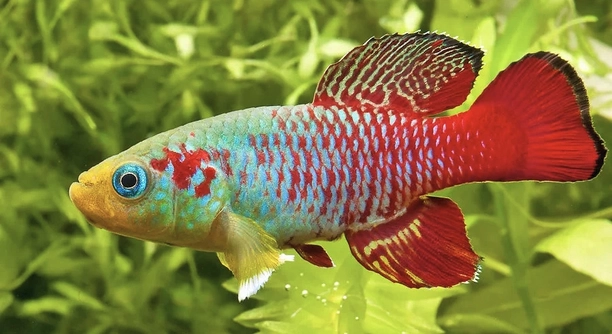
Killi fish are popular freshwater pets known for their bright colors and lively behavior. Many aquarists wonder about the best environment to keep them happy and healthy. One common topic is whether they prefer still or moving plants in their tanks. Killi fish generally favor plants that have gentle movement, as it mimics their natural … Read more

Can Killis Live With Freshwater Snails?

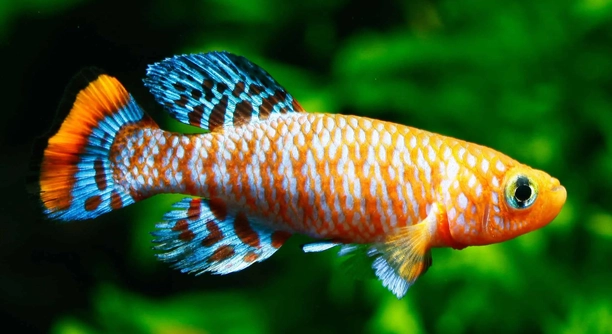
Are your killifish swimming around peacefully, but you’re thinking about adding freshwater snails to their tank for variety or cleanup? Killifish can live with freshwater snails if the tank is properly managed. Both species require similar water conditions, but careful selection of non-aggressive killifish and sturdy snail types is essential for compatibility. From feeding habits … Read more

7 Tricks to Calm Nervous Killifish

Nervous killifish often display signs of stress that can affect their health and behavior. Many fishkeepers seek effective ways to calm these delicate creatures. Providing a stable environment is key to reducing their anxiety and promoting well-being. The best approach to calming nervous killifish involves maintaining optimal water quality, minimizing sudden changes in their environment, … Read more

Can Killi Fish Get Depressed?

Killi fish are popular in home aquariums for their vibrant colors and active behavior. Many fish owners pay close attention to their pets’ well-being and often wonder about their emotional states. Understanding fish behavior helps create a healthier environment for them. Killi fish can exhibit signs similar to depression, such as lethargy and loss of … Read more

7 Reasons Killi Fish Avoid Each Other

Many people enjoy keeping killifish because of their unique colors and behaviors. However, these small fish often avoid each other, which can be puzzling for fishkeepers. Understanding why this happens can help create a better environment for them. Killifish avoid each other primarily due to territorial instincts, stress from overcrowding, and competition for food and … Read more

7 Fixes for Killi Fish Not Eating Fry

Are your killifish refusing to eat their fry, leaving you unsure of what to do next? You’re not alone in facing this issue. Many aquarists encounter the same concern and look for simple ways to resolve it. The most common reason killifish do not eat their fry is due to environmental stress or inadequate conditions. … Read more

What Happens When Killi Fry Are Overcrowded?

Killi fry are small, delicate fish that many hobbyists enjoy raising at home. They need proper care and space to thrive. Overcrowding them can create challenges for both the fish and their environment. When killi fry are overcrowded, it leads to increased competition for food, poor water quality, and higher stress levels. These conditions cause … Read more

Should You Separate Killi Males and Females?

Killi fish are popular for their vibrant colors and interesting behaviors. Many hobbyists enjoy keeping males and females together in the same tank. However, questions often arise about whether they should be separated for better care and harmony. Separating male and female killifish can prevent aggressive behavior, especially during breeding seasons. Males tend to compete … Read more

Can Killi Fish Recognize Their Fry?

Killi fish are popular small aquarium fish known for their vibrant colors and interesting behaviors. Many hobbyists wonder about their natural instincts, especially how they care for their young. Understanding whether killi fish recognize their fry can shed light on their parenting style. Killi fish do exhibit recognition of their fry through visual and chemical … Read more

Why Do My Killi Fish Avoid Open Spaces?

Killi fish are small, colorful fish that many people enjoy keeping in their aquariums. These fish often seem shy and prefer hiding rather than swimming in open areas. Understanding their behavior helps create a better environment for them. Killi fish avoid open spaces because they are naturally cautious and vulnerable to predators in the wild. … Read more