
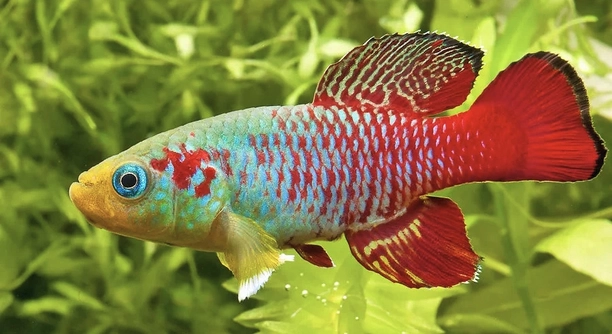
Killi fish are popular freshwater pets known for their bright colors and lively behavior. Many aquarists wonder about the best environment to keep them happy and healthy. One common topic is whether they prefer still or moving plants in their tanks.
Killi fish generally favor plants that have gentle movement, as it mimics their natural habitat. Still plants provide shelter and resting spots, but subtle water flow keeps the environment stimulating and supports their natural swimming habits.
Understanding how plant movement affects killi fish can improve their care and tank setup. The details that follow will help you create a comfortable home for these delicate fish.
Natural Habitat and Plant Movement
Killi fish are native to shallow streams, ponds, and wetlands where plants often move gently with water currents. This natural movement helps keep the water oxygenated and creates a dynamic environment. In their habitats, plants are rarely completely still. The slight motion helps killi fish find food, stay alert to changes, and feel secure. When setting up a tank, mimicking these conditions can be important. Still plants offer places to hide, but without any movement, the tank may feel too static or unnatural. Many aquarists notice that when plants sway gently, their killi fish appear more active and engaged. The movement also prevents algae buildup and keeps the water fresh. Balancing still and moving plants supports the health and behavior of killi fish, making the aquarium more enjoyable for both the fish and the keeper.
Gentle plant movement is closer to their natural environment and supports their well-being better than completely still plants.
Finding the right balance of still and moving plants in a tank creates a natural, comfortable space for killi fish to thrive.
Benefits of Moving Plants for Killi Fish
Moving plants help maintain good water quality by promoting circulation and oxygen exchange. This is vital for killi fish, as they need clean, well-oxygenated water to stay healthy. The subtle swaying of plants also stimulates the fish to swim actively, which supports their fitness and natural instincts. In a tank with only still plants, the water can become stagnant, causing discomfort and stress for the fish. Moving plants can also reduce the growth of unwanted algae by limiting light spots and improving water flow. Additionally, these plants provide hiding spots that gently shift, offering shelter without trapping debris. This dynamic environment encourages natural behaviors like exploring and hunting, which improves the fish’s overall happiness and longevity. Proper plant movement makes the aquarium closer to the killi fish’s original habitat, which benefits their mental and physical health.
Choosing the right plants and ensuring water flow will create a supportive home for killi fish.
With proper setup, moving plants improve water quality and encourage healthy activity in killi fish.
Choosing the Right Plants for Killi Fish
Soft-leaved plants are best for killi fish because they won’t damage their delicate fins. Plants like Java fern, Anubias, and mosses are great options that gently sway in the water.
These plants tolerate low to moderate water flow, which suits killi fish well. Their soft texture allows the fish to swim through without injury, and they provide excellent hiding spots. Dense leaves help mimic the natural habitat, giving killi fish a sense of security. They also contribute to water quality by absorbing nutrients and providing oxygen. Avoid sharp or rigid plants, as these can harm the fish or cause stress.
Choosing plants that thrive in your tank’s lighting and water conditions is also important. Healthy plants create a balanced ecosystem that benefits killi fish and other tank inhabitants.
How to Maintain Plant Movement in Your Tank
Using a gentle filter or an air stone can help create subtle water movement that makes plants sway naturally. This movement encourages killi fish to swim actively without causing stress.
Strong currents should be avoided because killi fish prefer calm waters. The goal is to mimic a light flow that moves plants gently but doesn’t force the fish to fight against strong water pressure. Regular pruning of plants ensures they don’t become too heavy or block water circulation. This keeps the tank clean and promotes consistent plant movement.
By controlling water flow and maintaining healthy plants, you can create a comfortable and stimulating environment for your killi fish to thrive.
Signs That Killi Fish Enjoy Plant Movement
Killi fish often swim more actively around gently moving plants. They use the plants for shelter and explore the swaying leaves confidently.
If the fish hide too much or seem stressed near moving plants, the flow might be too strong. Adjusting water movement can help them feel more comfortable.
Plants That Are Not Suitable for Killi Fish
Plants with sharp or rigid leaves can injure killi fish fins and cause stress. Avoid species like sword plants or certain types of cacti-like aquatic plants.
These plants do not move naturally with gentle currents, making the tank less inviting. It’s best to focus on softer, flexible plants for a healthier environment.
Impact of Still Plants on Killi Fish Behavior
Still plants offer good resting spots but can make the tank feel less lively. Killi fish may become less active if there is no movement.
Plants that don’t sway limit water circulation, potentially lowering oxygen levels and encouraging algae buildup, which affects fish health.
Tips to Balance Still and Moving Plants
Mixing still and moving plants creates variety and comfort. Use still plants for hiding and moving plants for stimulation.
FAQ
Do killi fish need moving plants to be healthy?
Killi fish do not absolutely need moving plants to survive, but gentle plant movement closely matches their natural habitat. Moving plants help maintain good water circulation and oxygen levels, which supports their health. Without any water flow, the tank can become stagnant, affecting fish behavior and well-being.
Can still plants be harmful to killi fish?
Still plants are not harmful by themselves. They provide essential hiding places and resting spots. However, too many still plants with no water movement can reduce oxygen levels and encourage algae growth. This can create a less healthy environment for killi fish.
What types of plants should I avoid for killi fish tanks?
Avoid plants with sharp, rigid leaves like some sword plants or certain artificial plants. These can damage the delicate fins of killi fish and cause stress. Instead, choose soft, flexible plants such as Java fern, Anubias, or mosses.
How can I create gentle plant movement in my tank?
Using a small filter with adjustable flow or an air stone can create subtle currents. The goal is to keep water movement light enough so plants sway gently but not so strong that it stresses the fish. Regularly trimming plants also helps maintain good water flow.
Do killi fish use plants for hiding?
Yes, killi fish often use plants for shelter and security. Both still and moving plants provide cover, but moving plants also encourage natural swimming behavior. Having a mix of plant types can help fish feel safe while staying active.
Will moving plants affect algae growth?
Moving plants help prevent algae buildup by improving water circulation and limiting stagnant areas where algae thrive. Still plants or dense plant growth can create shaded spots that encourage algae. Proper plant maintenance reduces this risk.
Can killi fish damage the plants?
Killi fish are small and generally gentle with plants. They don’t usually eat plants or cause damage, especially if the plants are healthy and suited for their tank. Soft plants are more durable and better able to withstand some fish movement.
How often should I prune plants to maintain good water flow?
Pruning depends on the growth rate of the plants, but typically every two to four weeks is enough. Removing excess leaves helps maintain open water areas and promotes gentle plant movement. It also reduces debris buildup and keeps the tank cleaner.
Is it better to have more still plants or moving plants in a killi fish tank?
A balance is best. Still plants offer resting and hiding spaces, while moving plants keep the environment dynamic and oxygenated. Too many still plants can make the tank feel stagnant; too many moving plants with strong currents can stress the fish.
Can I use artificial plants to create movement for killi fish?
Artificial plants generally don’t sway naturally with water flow and might not provide the same benefits as live plants. If used, make sure the tank has gentle water movement from filters or air stones to mimic natural conditions. Live plants are usually better for killi fish health.
Final Thoughts
Killi fish thrive best in environments that resemble their natural habitats. Having a mix of still and gently moving plants in their tank helps create a balanced space where they can feel safe and active. Still plants provide important hiding spots, which make the fish feel secure. At the same time, plants that move slightly with the water flow keep the tank dynamic and encourage the fish to swim and explore. This balance supports both their physical health and natural behavior.
Maintaining gentle water movement is key to helping plants sway without stressing the fish. Too much current can be overwhelming for killi fish, while no movement at all can make the tank feel lifeless. Using soft-leaved plants that tolerate mild flow creates a comfortable setting. These plants also improve water quality by increasing oxygen levels and reducing algae growth. Taking care of the plants by pruning and ensuring proper water flow will keep the tank healthy and attractive for the fish.
Overall, paying attention to plant choice and water movement benefits killi fish in many ways. It helps them stay active, lowers stress, and provides safe spaces. Creating a tank that mimics the gentle currents of their natural environment will encourage happier, healthier fish. Small adjustments like adding an air stone or using a low-flow filter can make a big difference. With proper care, the combination of still and moving plants can turn any aquarium into a cozy home for killi fish.

Hello,
If you enjoy the content that we create, please consider saying a "Thank You!" by leaving a tip.
Every little bit helps us continue crafting quality advice that supports the health, happiness, and well-being of pets around the world, for pets of all shapes, sizes, and species.
We really appreciate the kindness and support that you show us!