
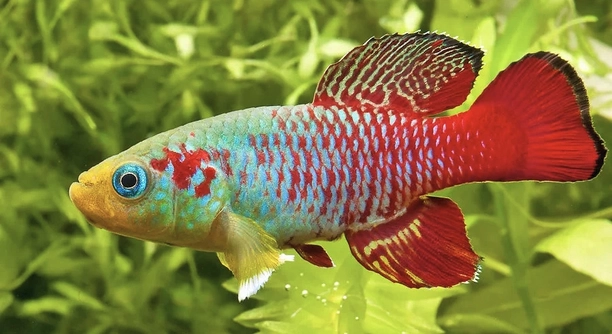
Killi fish are small, colorful fish that many people enjoy keeping in their aquariums. These fish often seem shy and prefer hiding rather than swimming in open areas. Understanding their behavior helps create a better environment for them.
Killi fish avoid open spaces because they are naturally cautious and vulnerable to predators in the wild. They prefer hiding among plants or decorations for safety, which helps reduce stress and increases their sense of security.
Learning about why killi fish avoid open spaces can improve how you care for them. Creating a safe and comfortable habitat makes a big difference in their well-being.
Natural Instincts and Safety
Killi fish have evolved to survive in environments full of potential threats. In the wild, open spaces make them easy targets for bigger fish and birds. This natural instinct to hide is why they often stay close to plants, rocks, or decorations in aquariums. These hiding spots give them a sense of safety and reduce their stress levels. When they feel threatened or exposed, killi fish will avoid swimming in open water, even if the tank is secure. Providing plenty of places to hide mimics their natural habitat and helps them feel more comfortable. It also encourages them to swim more freely when they trust their environment. Watching them move from one sheltered spot to another is a sign they feel secure. Without enough cover, they can become stressed, leading to less activity or even illness.
Offering enough hiding spots in your aquarium supports your killi fish’s natural behavior and well-being.
A tank designed with plants and decorations will make your killi fish more active and healthier.
How Tank Setup Affects Behavior
Tank layout plays a big role in how comfortable killi fish feel. Open tanks without enough plants or hiding places make them nervous and less likely to explore. They need dense foliage or structures to retreat to when they sense danger. Adding live or artificial plants, caves, and driftwood can create a secure environment. The right tank size also matters; too large an open space can feel unsafe, while a smaller, well-planted tank encourages natural movement. Lighting is another factor. Bright lights make open areas uncomfortable, so dimmer or adjustable lighting can help fish feel less exposed. Keeping the water clean and stable reduces stress as well. By carefully setting up the tank to match their needs, killi fish will behave more naturally, swim more openly, and show their true colors.
Adjusting your tank setup with these elements creates a calm environment, helping killi fish overcome their fear of open spaces and thrive.
Stress and Environmental Factors
Killi fish are sensitive to changes in their environment. Sudden noises, water quality issues, or new tank mates can make them anxious and cause them to avoid open spaces. Keeping a calm environment is important for their comfort and health.
Stress affects killi fish behavior significantly. Poor water quality, such as high ammonia or nitrite levels, can cause discomfort and lead them to hide more. Loud noises or vibrations around the tank increase their stress, making them retreat to safer spots. Introducing aggressive or overly active tank mates also causes them to stay hidden. Regular monitoring of water parameters and minimizing disturbances helps reduce their stress. A peaceful, stable environment encourages killi fish to explore and swim freely.
Providing a quiet space with consistent care lowers stress levels. When killi fish feel safe, their natural curiosity will grow, and they will use open spaces more often, showing healthier behavior and brighter colors.
Social Behavior and Group Dynamics
Killi fish are social creatures but can be shy around others. They often stay near cover to watch and avoid conflicts. Group size and tank population impact their comfort levels.
A well-balanced group helps reduce stress. Too many fish crowding the tank or aggressive individuals can cause hiding behavior. Keeping a small group with compatible species creates harmony. Killi fish communicate through body language and need space to establish territories. When they feel safe in their social setting, they swim more openly and interact naturally. Observing their behavior can help you adjust tank conditions to support their social needs. Proper social balance is key to reducing fear and encouraging open swimming.
Feeding Habits and Open Space Avoidance
Killi fish often associate open spaces with vulnerability during feeding times. They prefer eating near shelter where they feel protected from potential threats. Feeding near plants or decorations helps them feel secure.
Providing food in safe areas encourages natural feeding behavior. Scattering food near hiding spots makes them less anxious and more willing to come out into the open.
Lighting and Its Impact on Behavior
Bright or harsh lighting can make killi fish uncomfortable, causing them to avoid open areas. They prefer dim or diffused light that mimics their natural environment. Using adjustable lighting or floating plants helps create a softer atmosphere, making them more willing to explore.
Water Quality and Open Space Use
Maintaining clean, stable water conditions reduces stress and encourages killi fish to swim freely. Poor water quality can make them hide more often and avoid open spaces.
Tank Size and Space Perception
A tank that is too large with little cover can make killi fish feel exposed. Proper tank size with sufficient hiding spots helps balance their need for space and safety.
FAQ
Why do killi fish hide so much?
Killi fish hide mainly because of their natural instincts. In the wild, they need to stay safe from predators. Hiding helps them feel secure and reduces stress. If your tank doesn’t have enough plants or decorations, they will hide more. Stress from water quality or tank mates can also increase hiding behavior.
How can I make my killi fish feel safer?
Adding plenty of plants, caves, or decorations gives your killi fish places to retreat when they feel threatened. Use live or artificial plants, and include hiding spots at different levels in the tank. Keep the water clean and stable, and avoid sudden noises or strong tank lights. These changes create a calm, safe space for them.
Is tank size important for killi fish behavior?
Yes, tank size matters. If the tank is too big with little cover, killi fish may feel exposed and avoid open spaces. A smaller tank with enough plants and hiding spots is better. This setup helps them balance their need for space with their need for safety.
Can tank mates cause killi fish to avoid open spaces?
Some tank mates can stress killi fish. Aggressive or very active fish may cause killi fish to hide more. Choose peaceful species that won’t compete for space or food. Keeping a small group of compatible fish encourages natural social behavior and reduces fear.
How does lighting affect killi fish behavior?
Bright or harsh lighting makes killi fish uncomfortable and causes them to avoid open areas. They prefer dim or natural light. Using floating plants or adjustable lighting softens the light, making the fish more willing to swim openly.
What role does feeding play in their avoidance of open spaces?
Killi fish like to eat near hiding places to feel safe. If food is always placed in open areas, they may stay hidden. Scattering food near plants or decorations encourages them to come out and eat comfortably.
How often should I check water quality for killi fish?
Regular water testing is important. Test for ammonia, nitrite, nitrate, pH, and temperature weekly. Poor water quality causes stress and hiding. Keeping water clean with regular changes helps your killi fish feel comfortable and explore more.
Can stress cause killi fish to avoid open spaces more?
Yes, stress is a big reason killi fish avoid open areas. Changes in the tank, loud noises, or poor water conditions increase their anxiety. Reducing stress by maintaining stable tank conditions and minimizing disturbances helps them become more active.
Do killi fish get used to open spaces over time?
With the right environment and care, killi fish can become more comfortable in open spaces. Providing hiding spots, gentle lighting, peaceful tank mates, and clean water helps build their confidence. Over time, they may swim more freely and show natural behavior.
What signs show my killi fish are stressed?
Signs include hiding a lot, loss of color, erratic swimming, and reduced appetite. If you notice these, check your tank conditions and make changes to reduce stress. Improving their environment often helps them return to normal behavior quickly.
Killi fish are small creatures with big instincts. Their natural behavior is shaped by the need to stay safe from predators. This makes them avoid open spaces in their tank and seek out hiding spots. Understanding this instinct is important for anyone who wants to keep killi fish healthy and happy. When they feel secure, they show their true colors and swim more actively. It’s clear that their cautious nature is not a sign of weakness, but a way to survive and thrive in their environment. By paying attention to their needs, you can create a home that helps them feel comfortable.
Setting up a tank for killi fish requires some care and thought. Adding plants, caves, and other decorations gives them the hiding places they want. Lighting and water quality also affect how they behave. Bright lights or poor water can stress them out and cause them to hide more. Tank mates matter, too — peaceful companions make killi fish feel safer. Keeping the environment stable and calm encourages them to explore open spaces. With patience and the right setup, these shy fish can become more confident and show more natural behaviors.
Caring for killi fish is about respecting their natural instincts. Avoiding open spaces is just part of how they stay safe. Providing a tank that matches their needs can improve their quality of life. It takes time and observation to understand what makes them comfortable. Small changes like better hiding spots or gentler lighting can make a big difference. When killi fish feel safe, they thrive, which is rewarding for both the fish and their owner. Being mindful of their behavior helps create a peaceful, healthy aquarium for everyone involved.

Hello,
If you enjoy the content that we create, please consider saying a "Thank You!" by leaving a tip.
Every little bit helps us continue crafting quality advice that supports the health, happiness, and well-being of pets around the world, for pets of all shapes, sizes, and species.
We really appreciate the kindness and support that you show us!