7 Tiny Clues Your Killis Are Pairing Off

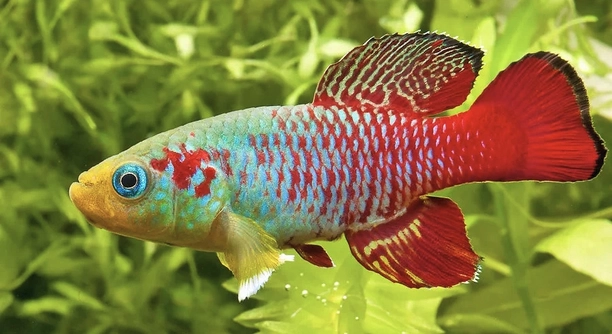
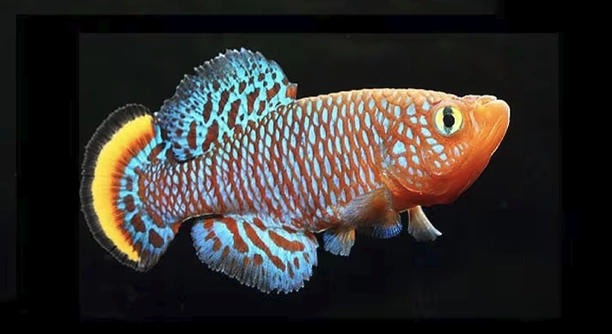
Are your killifish acting a little differently lately—maybe hovering near each other more or hiding in the same spots? Killifish often display subtle behaviors when pairing off, such as synchronized swimming, staying close together, and claiming shared hiding spots. These signs can indicate early bonding and the potential for breeding activity. Observing these small behaviors … Read more
Do Killi Fish Prefer Long Tanks or Tall Ones?

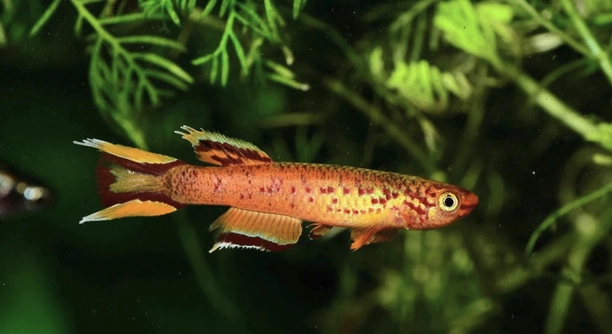
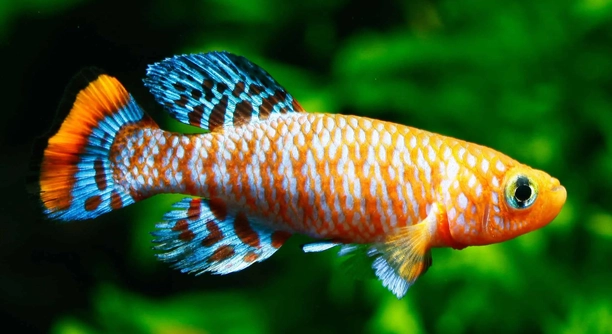
Killi fish are popular aquarium pets known for their vibrant colors and lively behavior. Many hobbyists want to create the best environment to keep them healthy and comfortable. Choosing the right tank size and shape is an important part of this care. Killi fish generally prefer longer tanks over taller ones because they are surface … Read more

Can You House Killi Males Together?

Many aquarium hobbyists wonder about keeping male killifish together. These colorful fish are popular for their unique patterns and lively behavior. Understanding their social dynamics helps ensure a peaceful and healthy tank environment. Housing male killifish together is generally not recommended due to their territorial nature. Males often exhibit aggressive behavior toward each other, which … Read more

How to Separate Aggressive Killifish

Keeping aggressive killifish in the same tank can be stressful for both the fish and their owner. These fish sometimes show strong territorial behavior that leads to fights and injuries. Learning how to separate them properly is important for their well-being. The most effective way to separate aggressive killifish is to provide divided tanks or … Read more

7 Things to Know Before Getting Killi Fish

Killi fish are popular for home aquariums because of their bright colors and interesting behavior. Many people enjoy watching them swim and interact in small tanks. They are small but need special care to thrive in captivity. Before getting killi fish, it is important to understand their specific water requirements, diet, tank size, and breeding … Read more

Why Are My Killi Fish Hovering in Place?

Are your killifish spending a lot of time hovering in one spot, barely moving around their tank like they usually do? The most common reason killifish hover in place is due to stress, poor water quality, or lack of stimulation. These factors can impact their behavior, causing them to become less active and more withdrawn … Read more

7 Low-Tech Tank Ideas for Killifish

Are your killifish looking a little dull in their current tank, even though you’ve tried to create a cozy setup for them? The best low-tech tank ideas for killifish focus on simplicity, natural elements, and ease of care. These setups use minimal equipment while still providing a safe and healthy environment that supports the unique … Read more

7 Tank Adjustments Killis Appreciate

Many players find tank adjustments challenging but necessary for effective gameplay. Understanding how these changes affect Killis can improve performance and overall experience in the game. This article covers seven key tank adjustments appreciated by Killis enthusiasts. Killis appreciate specific tank adjustments that enhance their survivability, damage output, and mobility. These adjustments include optimized armor … Read more

Can You House Multiple Killi Species Together?

Many aquarium enthusiasts enjoy keeping killifish for their vibrant colors and interesting behaviors. These small fish come in many species, each with unique needs and temperaments. Understanding how they interact is important when considering housing multiple species together. Housing multiple killifish species together is possible but requires careful planning. Compatibility depends on species size, temperament, … Read more

7 Mistakes That Harm Killi Fry Development

Killi fry are small but delicate fish that need careful care to grow well. Many hobbyists enjoy raising them but sometimes make mistakes that can slow or harm development. Knowing what to avoid helps keep these tiny fish healthy. The seven common mistakes that harm killi fry development include overfeeding, poor water quality, inappropriate tank … Read more