
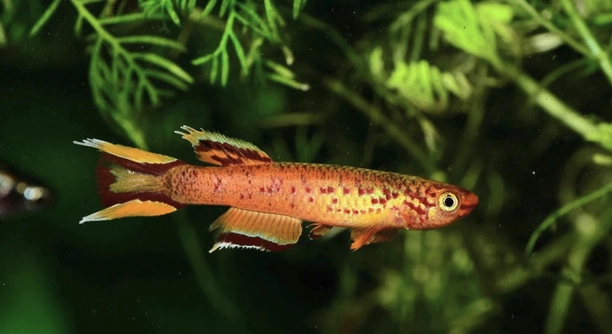
Killi fish are popular for home aquariums because of their bright colors and interesting behavior. Many people enjoy watching them swim and interact in small tanks. They are small but need special care to thrive in captivity.
Before getting killi fish, it is important to understand their specific water requirements, diet, tank size, and breeding habits. Proper knowledge ensures their health and longevity, preventing common mistakes that new owners might make when caring for these delicate fish.
Learning about these essential care tips will help you create a better environment for your killi fish. The following points cover what you need to know to keep them happy and healthy in your aquarium.
Understanding Killi Fish Species
Killi fish come in many species, each with its own colors and habits. Some are more active during the day, while others prefer dim lighting. It is important to know which species you want before buying. Some killi fish live only a few months, while others can live over a year with proper care. Knowing their natural habitat helps set up the right aquarium. For example, some prefer soft, acidic water, while others need harder, alkaline conditions. Researching the specific species will guide you on tank size, temperature, and diet. This preparation helps avoid stress and illness in your fish. Remember, matching your care to the species will make them more comfortable and lively.
Different species have varying care needs. Choosing the right one depends on your aquarium setup and experience level.
Taking the time to understand species differences improves your success with killi fish. This knowledge helps prevent common mistakes, such as wrong water parameters or diet. It also prepares you for how often you need to clean the tank or replace water. Some species are better for beginners, while others need more attention. For example, Fundulopanchax gardneri is hardy and adapts well, while Aphyosemion australe needs careful water conditions. Setting up the aquarium to mimic their natural environment encourages natural behavior and health. Proper species choice and care reduce the risk of early death and make watching your fish more enjoyable.
Tank Setup and Water Quality
Killi fish need clean, stable water conditions.
Maintaining correct temperature, pH, and water hardness is essential. These fish do not handle sudden changes well. Use a reliable heater and test kits to monitor water regularly. Filter the water gently to avoid strong currents, as killi fish prefer calm environments. Adding live plants helps create hiding spots and improves water quality. Avoid overcrowding the tank; a small group or pair is ideal. Regular water changes keep the tank healthy and reduce waste buildup.
Setting up the tank carefully from the start saves problems later. Keeping the environment stable ensures your killi fish stay healthy and active for longer.
Feeding Killi Fish
Killi fish eat small live or frozen foods. They enjoy bloodworms, brine shrimp, and daphnia. Flakes and pellets can be given but should not be the main diet.
A varied diet helps keep killi fish healthy and colorful. They need protein-rich foods to support their energy and growth. Feeding small amounts two to three times a day works best, avoiding overfeeding to prevent water pollution. Live foods also encourage natural hunting behavior, which keeps them active and interested.
It is important to observe how your fish respond to different foods. Some may prefer certain live foods over others. If live options are not available, frozen alternatives are a good substitute. Avoid foods that sink too fast or are too large for their mouths. Feeding consistently at the same time helps keep your fish on a regular schedule, which reduces stress and promotes better digestion.
Breeding Killi Fish
Breeding killi fish is rewarding but needs specific conditions. Many species lay eggs on plants or spawning mops.
To breed them, create a separate tank with soft, clean water and plenty of hiding spots. Remove adults after spawning to protect the eggs. Eggs usually hatch within two weeks depending on temperature. Feeding fry tiny live foods like infusoria or baby brine shrimp helps them grow. Patience is key, as raising young killi fish can be delicate work requiring close attention to water quality and feeding.
Tank Mates for Killi Fish
Killi fish can be territorial, so choosing tank mates carefully is important. They do best with small, peaceful fish. Avoid large or aggressive species that might stress or harm them.
Keeping killi fish with compatible tank mates reduces fighting and creates a calmer environment. Small tetras or shrimp often work well, but always monitor behavior to ensure safety.
Common Health Issues
Killi fish are prone to fungal and bacterial infections if water quality is poor. Regular tank maintenance is essential to prevent illness. Stress from overcrowding or incorrect water parameters can weaken their immune system.
Watch for signs like faded colors, lethargy, or clamped fins. Early treatment with aquarium-safe medications improves recovery chances and keeps your fish healthy.
Lighting Needs
Killi fish prefer moderate lighting that mimics their natural environment. Too much light can cause stress and encourage algae growth. A balanced light schedule helps maintain their activity and color.
Adjust lighting to avoid direct sunlight and provide shaded areas with plants or decorations.
FAQ
How often should I feed my killi fish?
Killi fish should be fed small amounts two to three times daily. Overfeeding can pollute the tank and harm water quality. Offering a mix of live or frozen foods like bloodworms and brine shrimp ensures they get the nutrition they need.
Can killi fish live with other fish?
Yes, but tank mates should be small and peaceful. Killi fish can be territorial, so avoid large or aggressive species that might stress or attack them. Small tetras, danios, or shrimp usually make good companions if the tank is large enough.
What water conditions do killi fish need?
They prefer stable, clean water with moderate temperature around 72–75°F (22–24°C). pH should range from 6.0 to 7.5 depending on species, and water hardness should be low to moderate. Regular water testing and changes are important to keep conditions safe.
How big do killi fish get?
Most killi fish grow between 1 to 2.5 inches (2.5 to 6 cm). Some species stay quite small, making them ideal for nano tanks, but it’s best to research the species you want beforehand.
What is the best tank size for killi fish?
A minimum tank size of 5 gallons is recommended for a pair or small group of killi fish. Larger tanks provide more stable water conditions and space to reduce aggression, especially if keeping multiple males.
How do I know if my killi fish are healthy?
Healthy killi fish show bright colors, clear eyes, and smooth scales. They swim actively and respond to feeding. Signs of illness include faded color, lethargy, clamped fins, or unusual spots. Early detection helps prevent serious problems.
Can killi fish breed in a community tank?
Breeding in community tanks is difficult because adults may eat eggs or fry. It is better to use a separate breeding tank with soft water and plenty of plants or spawning mops for egg laying.
What do killi fish eat in the wild?
In the wild, killi fish mostly eat small insects, larvae, and tiny crustaceans. Feeding them live or frozen foods mimics their natural diet and supports their health better than flakes alone.
How often should I clean the tank?
Partial water changes of about 20–30% once a week help maintain water quality. Avoid complete cleaning, which can disturb beneficial bacteria. Cleaning the substrate and filter regularly also prevents buildup of harmful waste.
Are killi fish easy to care for?
Killi fish are generally easy to care for with proper water conditions and diet. They are good for beginners willing to learn about their specific needs, but delicate water parameters mean they need consistent maintenance.
Killi fish can be a rewarding addition to a home aquarium when cared for properly. They offer bright colors and interesting behaviors that make watching them enjoyable. However, they do require attention to their specific needs, such as water quality, diet, and tank setup. Understanding these factors before getting killi fish helps avoid many common problems. Being prepared with the right equipment and knowledge improves their chances of living a healthy and active life in your tank.
Taking care of killi fish means paying attention to details like water temperature, pH, and keeping the tank clean. These fish are sensitive to sudden changes and poor water conditions, so regular maintenance is important. Feeding them a varied diet of live or frozen foods keeps them healthy and vibrant. Also, selecting compatible tank mates reduces stress and aggression, helping to create a peaceful environment. All these small steps add up to a better experience for both the fish and the owner.
If breeding is of interest, it requires additional care and a separate setup. Removing adults after spawning and providing suitable conditions for the eggs and fry are necessary for success. Watching young killi fish grow can be satisfying, but it takes patience and attention to detail. Overall, keeping killi fish is manageable for those willing to learn and maintain consistent care. With the right approach, they can thrive and bring a lively touch to any aquarium.

Hello,
If you enjoy the content that we create, please consider saying a "Thank You!" by leaving a tip.
Every little bit helps us continue crafting quality advice that supports the health, happiness, and well-being of pets around the world, for pets of all shapes, sizes, and species.
We really appreciate the kindness and support that you show us!