
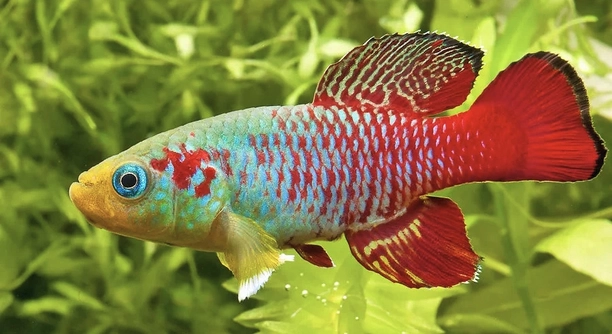
Are your killifish looking a little dull in their current tank, even though you’ve tried to create a cozy setup for them?
The best low-tech tank ideas for killifish focus on simplicity, natural elements, and ease of care. These setups use minimal equipment while still providing a safe and healthy environment that supports the unique needs of these colorful fish.
From natural leaf litter to sponge filters and simple lighting, these ideas will help you create a peaceful and functional home your killifish will love.
Use Leaf Litter for a Natural Feel
Adding leaf litter is one of the easiest ways to create a more natural and low-maintenance tank for your killifish. Indian almond leaves, oak leaves, and beech leaves are popular choices. When they break down, they release tannins, which slightly darken the water and help lower pH. This mimics the soft, acidic waters that many killifish species come from. Leaf litter also offers hiding spots and surfaces for microfauna to grow, which benefits fry. Spread a layer across the bottom of the tank and replace old leaves gradually. Rinse the leaves first to remove any dirt or debris. You don’t need a substrate or gravel, just the leaves. This setup works well with sponge filters and low lighting. It’s cost-effective and supports the natural behavior of killifish. Some species even prefer to spawn on the leaves or among the small organisms that feed on the decaying matter.
Leaf litter tanks feel calm and simple. Maintenance is easy, and the environment stays stable for longer.
Keep in mind that overloading with too many leaves at once can lead to murky water. Start with a few and increase slowly. If the water becomes too dark, do a partial water change or remove a couple of leaves.
Try a Sponge Filter Setup
Sponge filters are ideal for low-tech tanks. They provide gentle filtration, are easy to clean, and won’t disturb fry.
Sponge filters are popular in breeding and species-only tanks because they keep things calm. They’re powered by an air pump, which adds oxygen to the water. Killifish, especially smaller or younger ones, don’t like strong currents. A sponge filter avoids that issue completely. These filters also provide a surface for beneficial bacteria to grow, which helps with biological filtration. This keeps ammonia and nitrite levels down, even without a complicated setup. You can tuck a sponge filter behind some plants or a rock to help it blend in. Cleaning is easy—just squeeze it in old tank water once a month. They’re affordable, and you can even run multiple tanks with a single air pump using splitters. If you’re trying to keep a tank quiet, use a pump with a muffler or place the pump on a soft pad. This will lower vibration and sound.
Add Floating Plants for Shade and Shelter
Floating plants help soften the lighting and give killifish places to hide. They reduce stress, improve water quality, and don’t require planting or special care. Popular choices include water lettuce, frogbit, and Salvinia.
Floating plants are perfect for low-tech tanks because they grow quickly, absorb extra nutrients, and provide shade. The roots hang down into the water, offering shelter for both adult fish and fry. This mimics the shaded habitats killifish are naturally drawn to. You won’t need to add fertilizers or CO₂. Just remove excess plants regularly to prevent surface blockage and allow light through. They help with algae control, too, by outcompeting algae for nutrients. Be careful when feeding, as floating plants can trap food on the surface. A gentle current from a sponge filter helps circulate water around the roots without disturbing the plants or the fish.
These plants can thrive in tanks with minimal lighting. In fact, too much light can lead to overgrowth. If your floating plants start turning yellow or rotting, reduce the lighting or trim the affected parts. Don’t crowd the entire surface—leave some open space so your killifish can still reach the top comfortably. This balance helps keep your tank looking clean and natural.
Use a Bare-Bottom Tank for Easy Cleaning
A bare-bottom setup is helpful for reducing buildup of waste and leftover food. It also lets you monitor the tank’s cleanliness more easily. This is especially useful for breeding tanks or fry grow-out tanks.
Without gravel or sand, waste stays visible and can be siphoned out quickly. Bare-bottom tanks don’t trap food, and there’s less chance of ammonia spikes from decomposing material hiding in the substrate. Many breeders prefer this method for its simplicity. You can still add plants in pots or attach moss to rocks and driftwood to give killifish some cover. The key is to keep it easy to maintain while still offering hiding spots. Water changes are more straightforward, and it’s easier to spot illness or unusual behavior in your fish when the tank is open and clear. This setup also allows better control over water parameters, which is helpful when raising sensitive or newly hatched fry.
Keep Lighting Low and Simple
Killifish do best in soft lighting that mimics their natural environment. Using a basic LED light on a timer for 6–8 hours a day works well. Bright light isn’t necessary and can stress them out.
You can also rely on ambient room light if the tank is near a window but not in direct sunlight. This helps avoid overheating and algae growth.
Choose Slow-Growing Plants
Slow-growing plants like Anubias, Java fern, and mosses do well in low-tech tanks. They don’t need added CO₂ or strong lighting, and they stay healthy with minimal care. These plants can be attached to rocks or driftwood, keeping the setup clean and simple. Killifish enjoy swimming through the leaves and resting nearby.
Add a Lid or Cover
Killifish are excellent jumpers. Even with a low water line, it’s important to keep the tank covered. A simple glass lid or mesh screen prevents escapes without blocking airflow.
FAQ
What size tank is best for killifish?
Most killifish do well in small to medium tanks. A 5 to 10-gallon tank is enough for a few fish, especially for species that prefer shallow water. Larger tanks are fine but not necessary for low-tech setups. Keep in mind that killifish like having space to swim horizontally rather than deep water.
Can killifish live without a heater?
Many killifish species come from tropical or subtropical regions, so they prefer stable temperatures around 72–78°F (22–26°C). A heater is often needed, especially in cooler climates or during winter. However, some species tolerate room temperature if it stays consistent. Avoid sudden temperature changes, which stress fish.
How often should I change the water in a low-tech killifish tank?
Water changes depend on tank size, stocking levels, and filtration. For low-tech tanks with sponge filters and leaf litter, changing 20–30% of the water every week or two is usually enough. This keeps nitrate levels low and maintains water clarity. Always use dechlorinated water.
Do killifish need live food?
Killifish thrive on live or frozen foods like brine shrimp, daphnia, and bloodworms. These foods boost their health and color. While they can eat flakes or pellets, live food better mimics their natural diet. Offering a mix keeps them happy and encourages natural hunting behavior.
Is it necessary to have a substrate in a killifish tank?
A substrate isn’t required. Many keepers prefer bare-bottom tanks or leaf litter setups. Substrate can trap waste and make cleaning harder. If you choose substrate, keep it fine and easy to clean. Use it sparingly and avoid overfeeding to prevent buildup.
How do I prevent killifish from jumping out?
Killifish are known for jumping, especially if stressed or startled. A secure lid or cover is essential to keep them safe. Use glass or mesh that fits tightly on top of the tank. Avoid leaving gaps where fish can escape.
Can I keep different killifish species together?
Some killifish species can be kept together if they have similar water needs and temperaments. However, many species are territorial or aggressive, so mixing can cause stress or fights. It’s safest to keep one species per tank or research compatibility carefully.
What plants work best in a low-tech killifish tank?
Slow-growing, hardy plants like Java fern, Anubias, mosses, and floating plants are ideal. They don’t require CO₂ or strong light and offer hiding places. These plants create a natural environment that reduces stress and helps water quality.
How do I encourage killifish to breed in a low-tech setup?
To encourage breeding, provide plenty of hiding spots like plants or leaf litter. Keep water parameters stable and offer high-quality live food. Some species need slightly acidic, soft water and gentle lighting. Spawning mops or peat moss can also help with egg laying.
What should I do if my tank water becomes too dark from leaves?
If water darkens from tannins, partial water changes can lighten it. Removing some leaves will also help. While tannins are safe and beneficial, too much can reduce visibility. Balance the amount of leaf litter to maintain a healthy environment without excessive coloration.
Final Thoughts
Creating a low-tech tank for killifish can be both simple and rewarding. By focusing on natural elements like leaf litter, floating plants, and slow-growing species, you can build a peaceful environment without relying on complicated equipment. These setups mimic the fish’s natural habitats, which helps reduce stress and encourages natural behaviors. Keeping the tank easy to maintain allows you to spend more time enjoying your killifish and less time worrying about the technical side of aquarium care. Low-tech tanks also tend to be more forgiving, making them a good choice for beginners or those who prefer a hands-off approach.
It’s important to remember that killifish come from various environments, so their needs can vary. Some species prefer soft, acidic water while others tolerate harder, more neutral conditions. Using leaf litter to release tannins and adding floating plants creates a more natural setting that suits many killifish types. Equipment like sponge filters provide gentle filtration without stressing the fish, and bare-bottom tanks simplify cleaning and monitoring water quality. These choices keep the tank balanced and healthy without much hassle. Paying attention to water changes and feeding a varied diet of live or frozen foods will help your killifish thrive in any low-tech setup.
Overall, the key to success with low-tech killifish tanks lies in simplicity and natural design. Avoiding overly bright lighting, providing plenty of hiding spots, and securing the tank cover to prevent jumping are small but important steps. These basics create a comfortable home for your fish and make tank maintenance easier for you. Whether you keep a few killifish or breed them, a low-tech tank can offer a beautiful, stress-free environment that highlights their unique colors and behaviors. Taking time to observe and adjust your setup will lead to a satisfying experience with these interesting and colorful fish.

Hello,
If you enjoy the content that we create, please consider saying a "Thank You!" by leaving a tip.
Every little bit helps us continue crafting quality advice that supports the health, happiness, and well-being of pets around the world, for pets of all shapes, sizes, and species.
We really appreciate the kindness and support that you show us!