Why Rasbora Swim in Short Bursts

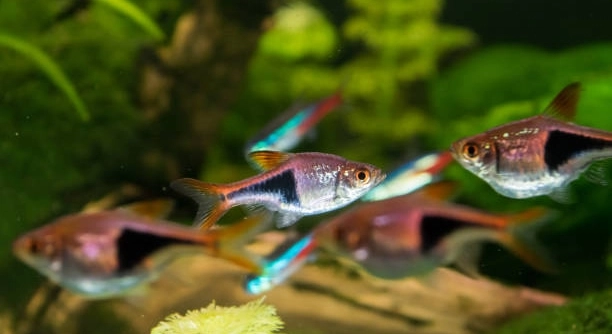
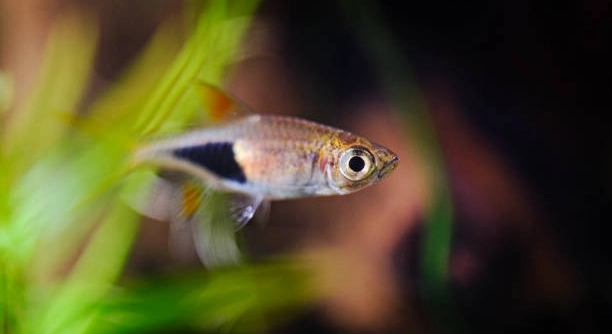
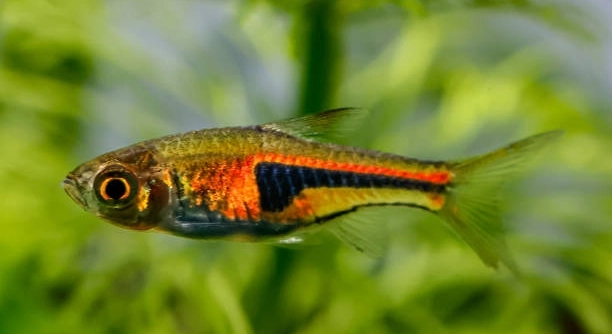
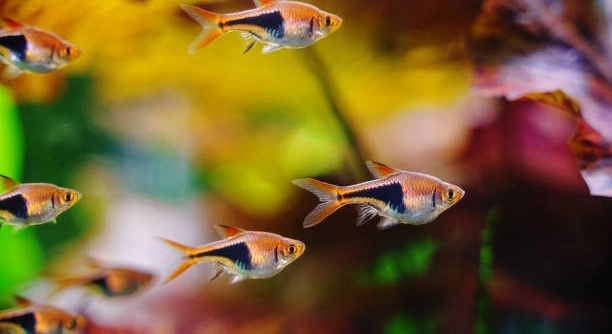
Rasboras are small, active fish often seen darting quickly in aquariums. Their movement style is distinctive, consisting of short bursts of swimming rather than long, steady motions. This behavior is noticeable and common among many small fish species. Rasboras swim in short bursts primarily as a survival mechanism. These quick, sudden movements help them avoid … Read more

Why Rasbora Might Hover Under the Heater

Do you ever notice your rasbora hovering near the heater for long periods? Watching them gather in warmer spots can feel a little odd, especially if you are new to keeping tropical fish in your home aquarium. Rasbora often stay under the heater because they seek slightly warmer water to maintain comfort and support proper … Read more

7 Times Rasbora Freeze for Just a Second

Rasboras are small, active fish often found in home aquariums. Sometimes, they freeze for just a second, which can catch an owner’s attention. This brief pause can mean different things depending on the situation and environment. Rasboras freeze momentarily mainly due to sudden changes in their surroundings, such as temperature shifts, light flickers, or perceived … Read more

Can Rasbora Live with Shrimp?

Many aquarium enthusiasts enjoy mixing different species to create lively, balanced tanks. Rasboras and shrimp are popular choices, often admired for their colors and peaceful nature. Understanding their compatibility is important before combining them in one environment. Rasboras can generally live with shrimp without issue, provided the tank is well-planted and offers hiding spots. Rasboras … Read more

Why Rasbora Prefer Blackwater Tanks

Rasboras are popular freshwater fish known for their peaceful nature and vibrant colors. Many aquarists enjoy keeping them because they adapt well to home tanks. Understanding their ideal environment helps keep them healthy and thriving. Rasboras prefer blackwater tanks because these environments closely mimic their natural habitats. Blackwater conditions provide softer, acidic water with tannins … Read more

7 Ways Rasbora Can Communicate Without Sound

Have you ever watched your rasboras swimming and wondered how they interact with each other without making a single sound? Rasboras communicate silently through a variety of behaviors, including body movements, coloration changes, fin positioning, and group dynamics. These nonverbal cues help them navigate their environment, establish social bonds, and maintain order within the school. … Read more

What’s That Twitch? 7 Possible Causes

Do your muscles ever twitch at the worst possible moment, like when you’re resting or trying to fall asleep? Muscle twitches can have several causes, including stress, fatigue, dehydration, medication side effects, or even nutrient deficiencies. In some cases, they may also result from nerve irritation or underlying neurological conditions. Understanding the source of the … Read more

Can Rasbora Get Too Comfortable?

Rasboras are small, peaceful fish often kept in home aquariums. They adapt well to different environments, which makes them popular among beginners and experienced fishkeepers alike. Understanding their comfort levels is important for their health and behavior. Rasboras can become too comfortable in their environment, which may lead to reduced activity or stress if conditions … Read more

Do Rasbora Have a Preferred Tank Corner?

Rasboras are popular small freshwater fish often kept in home aquariums. Many hobbyists enjoy watching their lively swimming patterns and peaceful nature. Tank setup can affect how comfortable these fish feel in their environment. Rasboras do not show a strong preference for any specific tank corner. Their swimming behavior is generally influenced by water conditions, … Read more

Why Rasbora Hide Even With No Predators

Rasboras are small, colorful fish often seen darting through plants in aquariums. Even when there are no predators nearby, these fish still spend time hiding. Their behavior can seem puzzling to many aquarium enthusiasts. Rasboras hide without predators mainly due to instinctual behavior and environmental comfort. Hiding offers them a sense of security and reduces … Read more