
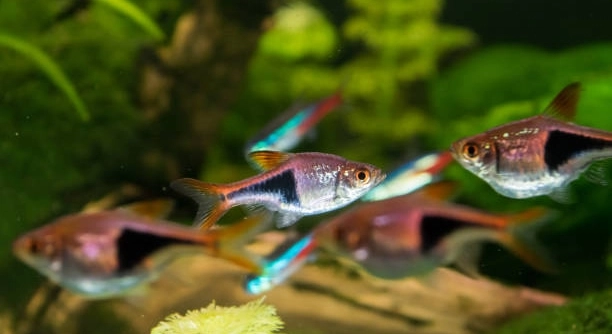
Rasboras are popular freshwater fish known for their peaceful nature and vibrant colors. Many aquarists enjoy keeping them because they adapt well to home tanks. Understanding their ideal environment helps keep them healthy and thriving.
Rasboras prefer blackwater tanks because these environments closely mimic their natural habitats. Blackwater conditions provide softer, acidic water with tannins that reduce stress, enhance coloration, and support their overall well-being. This type of water chemistry encourages natural behavior and longevity.
Learning why blackwater suits rasboras can improve your aquarium setup and keep your fish happier for longer. Exploring these details helps create the best home for your aquatic friends.
Understanding Blackwater Conditions
Blackwater tanks are designed to replicate the natural environment of many tropical fish, including rasboras. These tanks contain water that is soft, acidic, and tinted brown from tannins released by decaying leaves or wood. The tannins create a gentle chemical environment that helps reduce stress for fish adapted to these conditions. In such waters, the pH typically ranges from 4.5 to 6.5, which is much lower than standard tap water. The softness and acidity help prevent diseases and support healthy skin and scales. For rasboras, these conditions promote natural behavior like schooling and breeding, which can be difficult to achieve in regular freshwater tanks. The darker water also provides a sense of security, reducing anxiety and encouraging them to be more active during the day. Many aquarists notice improved coloration and vitality when keeping rasboras in blackwater setups, making it a beneficial choice for their care.
Blackwater tanks not only benefit fish health but also create a unique, peaceful aquarium aesthetic with their dark, tea-colored water and natural décor.
The balance in a blackwater tank depends heavily on maintaining tannin levels and water quality. Adding natural elements like Indian almond leaves or driftwood helps sustain tannins and acidity. Regular water changes are essential to prevent waste buildup without stripping the water of its beneficial properties. Testing pH and hardness regularly ensures the water remains stable for rasboras. Temperature is also important; these fish prefer temperatures between 72°F and 79°F. Proper filtration that doesn’t overly disturb the water allows the tannins to work effectively. Creating this environment requires attention but results in healthier, more vibrant fish that behave closer to how they would in the wild. Overall, blackwater tanks offer a balance of natural beauty and optimal living conditions.
Why Rasboras Thrive in Blackwater Tanks
Rasboras come from rivers and streams in Southeast Asia where water is soft, acidic, and rich in organic matter. Blackwater tanks recreate these conditions perfectly, making it easier for the fish to adapt and flourish. The tannins and low pH reduce harmful bacteria and parasites, lowering disease risk. These water conditions also support better oxygen levels and a stable environment for sensitive fish. In blackwater, rasboras display brighter colors and more natural schooling behavior, which is less common in regular tanks. Their feeding habits improve as they feel more comfortable and less stressed. Without the right water chemistry, rasboras can become shy or stressed, which affects their health and lifespan. Setting up a blackwater tank for rasboras requires some effort but results in a balanced and healthy habitat that supports their unique needs much better than typical freshwater tanks.
Setting Up a Blackwater Tank for Rasboras
Creating a blackwater tank starts with choosing the right materials. Driftwood, Indian almond leaves, and peat moss are excellent sources of tannins. These natural elements give the water its characteristic color and acidity.
Adding these materials slowly is important to avoid sudden changes in water chemistry. When using driftwood, soak it first to reduce excess tannins that might discolor the water too quickly. Indian almond leaves release tannins gradually and also have mild antifungal properties, which can help protect your fish. Peat moss in the filter lowers hardness and softens the water further. Keep an eye on water parameters during the first weeks, as tannin levels settle. Regular water testing for pH, GH, and KH helps maintain stability. This setup mimics the fish’s native environment and keeps them healthy and active.
Filtration in a blackwater tank should be gentle. Strong currents can disturb tannins and stress rasboras. A sponge filter or low-flow canister filter works best, providing clean water without disrupting the environment. Maintaining temperature and lighting is equally important. Rasboras prefer soft lighting and temperatures between 72°F and 79°F. The natural, subdued environment reduces stress and encourages natural behaviors like schooling and breeding.
Benefits of Blackwater Conditions on Rasbora Health
Blackwater conditions reduce stress in rasboras by closely matching their natural habitat. This leads to stronger immune systems and fewer diseases. The acidity also slows harmful bacterial growth, making it easier to maintain a clean tank.
Maintaining a blackwater tank supports better fish coloration, especially in species like the Harlequin Rasbora. Tannins act as natural antioxidants, protecting the fish’s skin and scales from damage. This environment also promotes more active swimming and schooling behavior, as the fish feel safer and more comfortable. Fish kept in blackwater tanks tend to live longer and show fewer signs of illness compared to those in standard freshwater setups. The overall balance of chemical and physical factors in blackwater helps rasboras stay vibrant and healthy over time, making it the preferred choice for anyone serious about their care.
Common Mistakes When Setting Up Blackwater Tanks
One common mistake is adding too many tannin-releasing materials at once. This can cause the water to become too acidic quickly, stressing the fish. Patience and gradual adjustments are key to success.
Another error is poor filtration. Strong currents disturb tannins and unsettle rasboras. Using gentle filtration keeps the environment stable and comfortable for them.
Monitoring Water Parameters
Regular testing of pH, GH, and KH is essential to maintain ideal blackwater conditions. Sudden changes can harm rasboras, so consistent monitoring helps keep water chemistry stable and safe.
Feeding Rasboras in Blackwater Tanks
Rasboras eat small live or frozen foods like daphnia and brine shrimp. Feeding them a varied diet supports their health and vibrant colors in blackwater conditions.
Plant Choices for Blackwater Tanks
Plants like Java fern and Anubias thrive in blackwater setups. They add natural beauty without altering water chemistry significantly.
FAQ
Why do rasboras need soft, acidic water?
Rasboras naturally come from rivers and streams with soft, acidic water. Soft water means low mineral content, and acidity is measured by pH below 7. This environment supports their skin and gill health and reduces stress. Hard or alkaline water can cause discomfort, poor coloration, and make them more vulnerable to illness.
How do tannins affect my tank water and fish?
Tannins are natural compounds released by leaves, driftwood, and peat moss. They tint the water brown and lower the pH, creating soft, acidic conditions. For rasboras, tannins reduce stress and improve their natural colors. Tannins also have mild antibacterial and antifungal properties, helping keep fish healthy.
Can I use commercial blackwater extracts instead of natural materials?
Yes, commercial blackwater extracts are a convenient option to tint the water and lower pH without adding physical materials. However, they don’t provide the same natural benefits, like slow tannin release or habitat enrichment. Natural leaves and driftwood also offer hiding spots and improve tank aesthetics.
How often should I change water in a blackwater tank?
Water changes should be regular but gentle, typically 20-30% weekly. Too large or frequent changes can strip away tannins and upset the water chemistry. Using conditioned water with similar pH and softness helps maintain stability. Monitor water parameters closely after changes to avoid shocks.
What kind of filtration is best for a blackwater tank?
Gentle filtration is best to avoid disturbing tannins and stressing rasboras. Sponge filters or low-flow canister filters work well. They keep water clean while preserving tannin levels and the soft water environment. Avoid strong power filters that create excessive currents.
How do I prevent the tank water from getting too dark?
To keep water color balanced, soak driftwood before adding it to the tank. Remove some leaves once tannin levels peak. Regular partial water changes also help control water darkness. Remember, a slight brown tint is normal and beneficial for rasboras.
Can other fish live in blackwater tanks with rasboras?
Yes, many peaceful fish from similar habitats do well in blackwater tanks. Species like tetras, corydoras, and small catfish enjoy soft, acidic water too. Avoid aggressive or large fish that stress rasboras or require different water conditions.
Do blackwater conditions affect plant growth?
Some plants thrive in blackwater, while others struggle due to lower light and nutrient availability. Java fern, Anubias, and mosses are good choices. Avoid plants needing high pH or hard water. Using root tabs or liquid fertilizers can help maintain plant health.
How long does it take for tannins to stabilize in a new blackwater tank?
It usually takes a few weeks for tannin levels to settle after setting up a new tank. During this time, water color and pH may fluctuate. Testing water regularly helps track changes. Patience is important to allow the tank to reach a balanced state suitable for rasboras.
What are the signs that my rasboras are stressed in the tank?
Stressed rasboras may hide constantly, lose their bright colors, or show sluggish behavior. They might also refuse food or develop health issues like fin rot. Poor water conditions, strong currents, or inappropriate tank mates can cause stress. Adjusting the environment can help them recover.
Is it okay to feed rasboras only flakes or pellets?
While flakes and pellets are convenient, they should not be the only diet. Rasboras benefit from a varied diet including live or frozen foods like daphnia, brine shrimp, or bloodworms. This variety supports their immune system and enhances coloration.
Can I use tap water for a blackwater tank?
Tap water usually needs treatment to be suitable. It often contains minerals that raise hardness and pH. Using peat, driftwood, or commercial conditioners helps soften and acidify tap water. Always test water parameters before adding it to the tank.
How do I encourage rasboras to breed in blackwater tanks?
Breeding rasboras requires stable blackwater conditions with soft, acidic water and temperatures around 78°F to 80°F. Providing plenty of plants or spawning mops offers places for eggs. Feeding high-quality live foods improves breeding readiness. Removing adults after spawning prevents egg predation.
Can blackwater tanks help prevent common diseases?
Yes, the acidity and tannins in blackwater reduce harmful bacteria and fungus growth. This lowers disease risk compared to neutral or alkaline water. However, good hygiene and regular maintenance remain essential to keep fish healthy.
What should I do if the water pH rises unexpectedly?
Sudden pH rises can stress rasboras. Test for causes like tap water changes, substrate buffering, or equipment issues. Perform partial water changes with properly conditioned water to bring pH down gradually. Avoid drastic shifts to prevent harming fish.
How often should I test water parameters in a blackwater tank?
Testing weekly is a good routine for pH, GH, and KH. More frequent testing is needed during tank setup or if fish show signs of stress. Regular checks help catch problems early and keep conditions stable for rasboras.
Are there specific decorations to avoid in blackwater tanks?
Avoid decorations that leach minerals or raise pH, such as limestone or coral. These materials can harden water and negate the benefits of blackwater conditions. Stick to natural wood, leaves, and inert stones that don’t affect water chemistry.
Can I mix blackwater and regular freshwater fish?
Mixing can be tricky because many common freshwater fish prefer neutral or hard water. Combining incompatible species may stress or harm them. It’s best to keep fish with similar water needs and temperaments for a healthy tank.
Does lighting affect blackwater tanks differently?
Blackwater tanks usually have subdued lighting to mimic shaded environments. Bright lights can stress rasboras and cause algae growth. Using low-intensity or filtered light creates a comfortable habitat and highlights fish colors nicely.
What is the best substrate for a blackwater tank?
Soft, inert substrates like sand or fine gravel work well. They don’t alter water chemistry and provide a natural look. Avoid substrates that raise pH, such as crushed coral or limestone-based materials.
How do I remove excess tannins if needed?
Activated carbon filters help remove excess tannins and clear water if it becomes too dark. Partial water changes with fresh, less tinted water also reduce tannin concentration. Balance is important—some tannins benefit rasboras, but too much can limit visibility.
Are blackwater tanks harder to maintain than regular tanks?
Blackwater tanks require more attention to water chemistry and materials, but they aren’t difficult once established. Understanding the needs of tannins, filtration, and water parameters makes maintenance manageable and rewarding, especially for keeping rasboras healthy and happy.
Final Thoughts
Blackwater tanks provide a special environment that closely matches the natural habitat of rasboras. The soft, acidic water and gentle tannins create conditions where these fish can feel safe and healthy. When kept in such tanks, rasboras tend to show brighter colors, swim actively, and display natural behaviors like schooling. This type of setup supports their immune system and helps prevent common illnesses, making it easier for them to thrive over time. While it requires some effort to set up and maintain, the benefits of a blackwater tank for rasboras are clear and worth the attention.
Setting up a blackwater tank involves careful choices of materials like driftwood, Indian almond leaves, and peat moss, which add tannins and create the right water chemistry. It is important to introduce these elements gradually and monitor water parameters regularly to keep the environment stable. Gentle filtration and controlled lighting also play key roles in maintaining a healthy tank. The natural tint and acidity not only benefit the fish but also add a calm, peaceful look to the aquarium. For many keepers, the beauty of the blackwater tank adds another level of enjoyment to watching their rasboras.
Maintaining a blackwater tank is different from a typical freshwater setup, but with patience and regular care, it becomes easier over time. Water changes should be done carefully to avoid sudden shifts in acidity or hardness. Testing water regularly helps prevent problems before they start. Feeding rasboras a varied diet supports their health and coloration, which complements the positive effects of the blackwater environment. Overall, a blackwater tank is an excellent choice for anyone who wants to provide a natural, supportive home for their rasboras, ensuring they live a long and vibrant life.

Hello,
If you enjoy the content that we create, please consider saying a "Thank You!" by leaving a tip.
Every little bit helps us continue crafting quality advice that supports the health, happiness, and well-being of pets around the world, for pets of all shapes, sizes, and species.
We really appreciate the kindness and support that you show us!