7 Habits Rasbora Form in Stressful Tanks
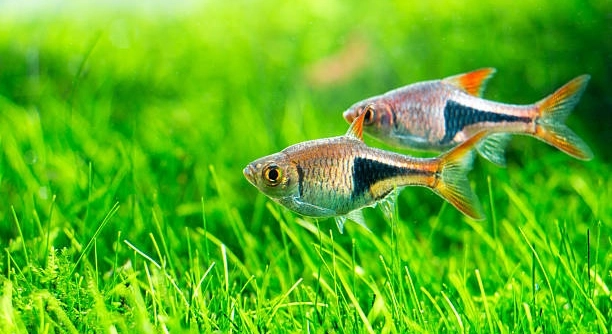
Rasboras are small, peaceful fish popular in home aquariums. When placed in stressful tank environments, they develop certain habits that help them cope. Understanding these behaviors can improve how we care for them. In stressful tanks, rasboras exhibit habits such as hiding frequently, reduced swimming activity, schooling tightly, increased surface breathing, fin clamping, color fading, … Read more

7 Small Details That Improve Rasbora Life

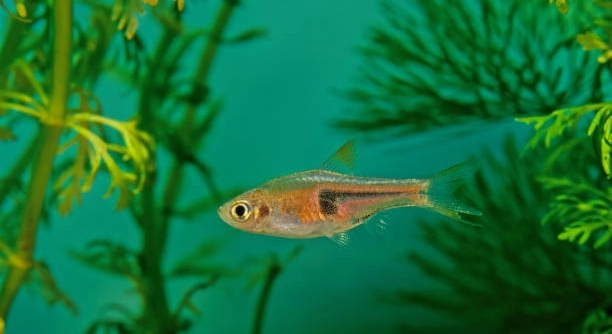
Rasboras are small, peaceful fish that brighten any aquarium. Their care requires attention to details that support their well-being and natural behavior in captivity. Small adjustments can make a big difference in their daily life. Improving rasbora life involves attention to water quality, tank environment, diet, and social structure. Providing stable conditions and enriching their … Read more

7 Times Rasbora Need Extra Hiding Spots

Rasboras are small, peaceful fish that enjoy calm and secure environments. They thrive in aquariums that mimic natural habitats, where plants and decorations offer protection and comfort for daily activities and social interactions. Rasboras require additional hiding spots during times of stress, illness, breeding, low water levels, aggression from tank mates, sudden environmental changes, or … Read more

What to Do If Rasbora Avoid the Group

Rasboras are peaceful schooling fish that usually prefer staying in groups. Sometimes, one may stray and avoid the group for various reasons. This behavior can concern aquarists who want their fish to be healthy and happy. If a rasbora avoids its group, the cause is often stress, illness, or an unsuitable environment. Ensuring proper water … Read more

What It Means When Rasbora Ignore Each Other

Do your rasboras seem distant, swimming past each other without any interest or interaction, leaving you unsure of what’s going on in your tank? Rasboras often ignore each other due to stress, unsuitable tank conditions, or lack of environmental stimulation. These factors can cause them to become withdrawn or uninterested in social behaviors typically seen … Read more

7 Movements That Mean Rasbora Are Comfortable

Do you ever find yourself watching your rasboras swim and wondering if their behavior means they feel safe and happy in your tank? Comfortable rasboras display certain movements such as steady schooling, active exploration, and smooth, unhurried swimming patterns. These behaviors often signal that the fish are stress-free and well-adjusted to their environment. Recognizing these … Read more

7 Sounds You Should Avoid Around Rasbora

Are your Rasboras darting around or hiding more than usual, even when the water conditions seem just right in their tank? Loud or sudden noises can create stress for Rasboras, affecting their health and behavior. Sounds such as tapping on the glass, loud music, vacuuming nearby, or slamming doors can disrupt their sense of safety … Read more

Can Rasbora Swim Without Their School?

Many people enjoy keeping rasboras as colorful, peaceful fish in their home aquariums. These small fish are known for swimming together in groups. Understanding their behavior helps fish owners provide better care and a happier environment for their pets. Rasboras rely heavily on schooling for safety and social interaction, making it difficult for them to … Read more

What Rasbora Do When Exploring a New Plant

Have you ever watched your rasbora swim around a new plant and wondered what’s really going on beneath the surface? When rasboras explore a new plant, they typically exhibit cautious behavior, followed by bursts of curiosity. They investigate slowly at first, often swimming in short circles, then begin to peck, nudge, or weave through the … Read more

Can Rasbora Live in Cold Water?

Have you ever found yourself wondering if your Rasboras are truly comfortable in the cooler temperatures of your unheated tank? Rasboras are tropical fish and generally prefer water temperatures between 72°F and 82°F. While they may survive in colder water temporarily, long-term exposure below their ideal range can lead to stress, illness, and a shortened … Read more