
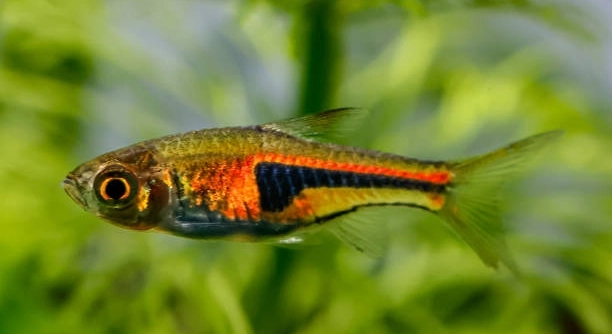
Do your rasboras seem distant, swimming past each other without any interest or interaction, leaving you unsure of what’s going on in your tank?
Rasboras often ignore each other due to stress, unsuitable tank conditions, or lack of environmental stimulation. These factors can cause them to become withdrawn or uninterested in social behaviors typically seen in healthy, active groups.
Understanding the root cause behind their behavior can help improve their environment and promote better interactions among your fish.
Common Reasons Rasboras Ignore Each Other
Rasboras are peaceful, social fish that usually swim in tight schools. When they start ignoring each other, it’s often a sign something isn’t right in the tank. Stress from poor water quality, incorrect temperature, or lack of hiding spots can cause them to behave differently. Incompatible tank mates or overcrowding may also contribute to their disinterest in one another. Another possible reason is an unbalanced male-to-female ratio, which can disrupt group dynamics. Rasboras rely on a sense of safety and stability, and any disruption in that balance may lead them to isolate themselves. Observing their environment closely helps identify subtle stress signals. Small changes—like improving filtration or rearranging plants—can have a positive impact on their interactions. Rasboras thrive when their surroundings feel safe, clean, and calm. Keeping conditions consistent allows them to display their natural social behaviors, making the tank feel active and balanced once again.
Sometimes rasboras simply need time to adjust to a new environment.
If your tank setup is still fairly new or has recently changed, rasboras might be reacting to the unfamiliar surroundings. It can take days or even weeks for them to feel secure enough to school together. Allow them the space to settle at their own pace.
How to Encourage Natural Schooling Behavior
Rasboras are happiest in groups of six or more. When kept in small numbers, they may feel vulnerable and choose to stay hidden or separate from one another. Ensuring your tank has the right group size is a key step toward encouraging their social behavior.
A well-structured tank layout also helps rasboras feel secure. Use plants, rocks, or driftwood to create shaded spots and gentle hiding areas. These features reduce stress and encourage exploration. Avoid harsh lighting and strong currents, as rasboras prefer calm, steady movement. Keep the water temperature between 73°F and 82°F and monitor pH levels to stay between 6.0 and 7.5. Regular maintenance like water changes and filter cleaning supports a stable environment. Feeding a varied diet of quality flakes, small pellets, and occasional live or frozen treats can boost their energy and activity. Also, avoid pairing them with overly aggressive fish, as this can increase stress. Once conditions are right, rasboras tend to swim more freely and reconnect with their group.
Signs Your Rasboras Are Unhappy
When rasboras feel uncomfortable, they often stop schooling and swim near the tank edges or corners. Some may hide for long periods or become more aggressive than usual. These small changes are easy to overlook but usually signal a larger issue in their environment.
Another clear sign is a sudden drop in activity levels. Rasboras are normally quite active, so if they start hovering in one place or retreating to the bottom, it may mean they are stressed. Faded colors are also common when fish aren’t feeling well, especially in species that are usually bright and vibrant. A fish that once displayed healthy, shimmering scales might appear dull or gray. Gasping near the surface or rapid gill movement could suggest poor water quality or a lack of oxygen. It’s important to respond quickly when these signs appear, as early changes often lead to more serious health issues.
Loss of appetite is another concern. Rasboras that ignore food or only nibble occasionally might be struggling with something in their environment. While skipping one meal isn’t always serious, repeated disinterest in food can signal stress, illness, or discomfort. Always check the tank conditions when eating habits change, as this can often resolve the issue quickly and prevent further problems.
What You Can Do to Help
Start by testing the water quality. Use a reliable test kit to check for ammonia, nitrite, and nitrate levels. Make small water changes if needed, and clean filters without removing too much beneficial bacteria. Stability is more important than perfection when caring for rasboras.
Next, review your tank setup. Ensure your rasboras have enough space to swim freely and hide when needed. Add more plants or decorations if the tank feels bare, but leave enough open water for movement. Reduce noise or sudden light changes around the tank, as these can cause unnecessary stress. Feed a balanced diet and monitor their behavior daily. If possible, increase their group size to at least six, which can help them feel more secure. Avoid overcrowding, and make sure they are not competing for food or space with more dominant fish. Over time, with a calm and consistent setup, your rasboras will likely begin schooling and interacting as expected.
When Ignoring Each Other Is Normal
Sometimes rasboras may simply want space. It’s not always a sign of trouble. Just like people, they don’t always feel social. As long as they’re eating well, swimming normally, and not hiding constantly, occasional quiet moments are nothing to worry about.
During feeding or resting periods, rasboras often spread out. This behavior can look like disinterest, but it’s part of their natural rhythm. They may regroup later when they feel more active or secure. Observing their routine over several days helps you understand what’s normal for your tank.
Tank Mates That Support Better Behavior
Choose tank mates that match rasboras’ calm, peaceful nature. Ideal options include small tetras, corydoras, or kuhli loaches. Avoid placing them with fin-nippers or aggressive fish, which can cause stress and lead to social withdrawal. Compatibility makes a big difference in how comfortable rasboras feel in their space.
Final Thoughts on Observation
Daily observation helps you notice patterns in your rasboras’ behavior. These small changes often give clues before problems become serious. Staying consistent with care keeps things simple and peaceful for your fish.
FAQ
Why are my rasboras not swimming together anymore?
This often happens when they feel stressed or insecure. Poor water quality, sudden changes in lighting, or new tank mates can disrupt their schooling behavior. If they aren’t feeling safe, they may choose to separate. Check your tank conditions and observe any recent changes that might be causing stress.
Do rasboras need to be in groups to be happy?
Yes. Rasboras are social fish and thrive in groups of six or more. In small numbers, they may feel exposed or anxious, which leads to hiding or ignoring others. A larger group gives them comfort and helps maintain natural schooling behavior.
How can I tell if my rasboras are stressed?
Signs include pale coloring, hiding, loss of appetite, or erratic swimming. They may also breathe rapidly or avoid other fish entirely. These signs usually appear when tank conditions are off or when something in their surroundings causes fear or discomfort.
Will adding more rasboras fix the problem?
It can help, but only if the tank is large enough and water conditions are stable. Adding fish to a stressful setup can make things worse. Before increasing the group, make sure your tank size, filtration, and environment support a peaceful, balanced space.
Why are they only ignoring one rasbora?
This could be due to illness, injury, or behavior that’s different from the group. Sometimes one fish may be seen as weak or strange, which causes the others to avoid it. Isolating the affected fish for observation can help prevent any potential health issues from spreading.
Do rasboras need a specific tank layout to behave socially?
They benefit from a calm, well-structured setup. Use plants, driftwood, and shaded areas to make them feel safe. Avoid bright lights and strong currents. An open swimming area is also important. When the environment supports their needs, rasboras are more likely to interact and swim together.
What food keeps rasboras active and healthy?
A varied diet works best. Use high-quality flake food, micro pellets, and occasional live or frozen options like daphnia or brine shrimp. Changing up their diet improves their energy and can encourage more activity. Feed small amounts once or twice a day to avoid overfeeding.
Can bullying cause rasboras to isolate?
Yes. Although they’re peaceful, rasboras can still form small hierarchies. A more dominant fish may occasionally push others away, especially in cramped or imbalanced groups. Make sure the tank isn’t overcrowded and that hiding spots are available to give shy fish space.
How long does it take rasboras to feel comfortable in a new tank?
It can take a week or more. During this period, they may act shy or distant. Keep the tank calm and consistent. Avoid loud sounds, frequent changes, or rearranging things. A stable environment helps them feel secure and more likely to school again.
Should I worry if they’re active but not schooling?
Not always. If your rasboras are eating well, look healthy, and swimming normally—even apart—they may simply feel relaxed. Schooling is a defense behavior, so when they’re scattered, it can mean they feel safe. Still, keep monitoring them for any changes in health or behavior.
Final Thoughts
Watching rasboras ignore each other can be confusing, especially when you’re used to seeing them swim in tight groups. While it may seem like something is wrong, this behavior is not always a cause for concern. In many cases, it’s simply a response to a new environment, changes in the tank, or their natural behavior at certain times of day. As long as your fish are healthy, eating, and moving around normally, short periods of separation are perfectly fine. Rasboras, like many fish, have quiet moments where they prefer space. These breaks from group activity are often temporary and harmless.
That said, it’s important to look for patterns and other signs that might point to a larger issue. If your rasboras are staying apart often, hiding, or showing signs of stress such as fading colors or loss of appetite, it’s worth reviewing their tank setup. Water quality, temperature, lighting, and tank mates all play a role in their comfort. Ensuring a stable, clean, and calm environment can help them feel more secure. A balanced group size, a thoughtful tank layout, and a healthy feeding routine all support their natural schooling instincts. Even small improvements can make a noticeable difference in their behavior over time.
Consistency is key when it comes to keeping rasboras healthy and happy. Sudden changes in care, routine, or environment can throw them off, making them act distant or withdrawn. By keeping their space stable and observing their habits regularly, you’ll get a clearer sense of what’s normal for your tank. Don’t rush to fix something unless you’re sure there’s a problem. Patience and steady care often lead to the best results. Rasboras are sensitive but adaptable fish, and with the right conditions, they usually return to schooling and interacting as expected. When they do, it’s a sign that your efforts are paying off and their environment is working well for them.

Hello,
If you enjoy the content that we create, please consider saying a "Thank You!" by leaving a tip.
Every little bit helps us continue crafting quality advice that supports the health, happiness, and well-being of pets around the world, for pets of all shapes, sizes, and species.
We really appreciate the kindness and support that you show us!