7 Signs Your Rasbora Might Breed Soon

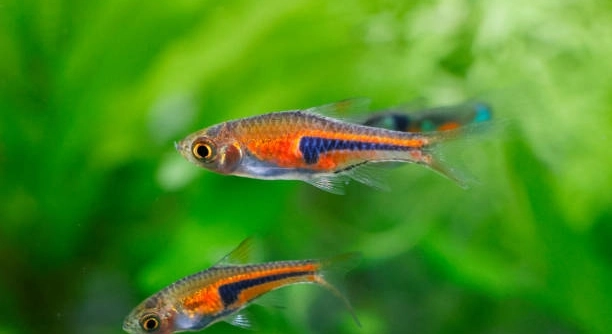
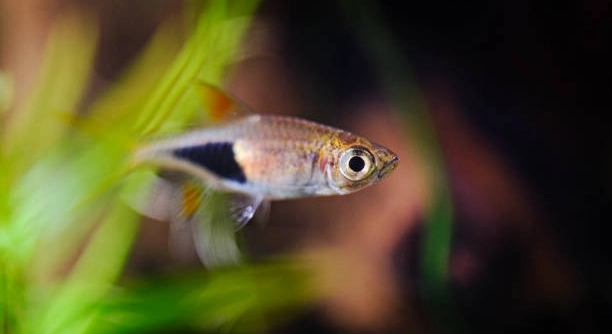
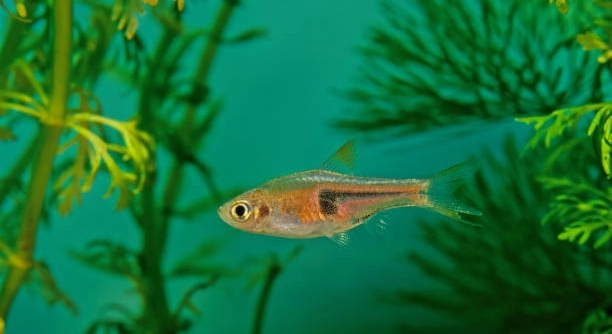
Rasboras are popular freshwater fish known for their peaceful nature and vibrant colors. Many fishkeepers enjoy watching their behaviors closely, especially when breeding time approaches. Recognizing early signs helps prepare for the next generation of these delicate fish. Several behavioral and physical changes signal that a rasbora is ready to breed. These include increased activity, … Read more

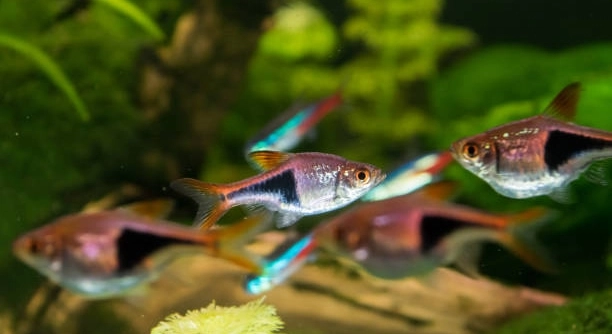
Why Rasbora Are Flashing (7 Causes)

Rasboras are small, colorful fish that often brighten home aquariums. Sometimes, these fish show a sudden flash of color or quick movements that catch attention. Understanding why this happens helps keep them healthy and comfortable. Rasboras flash due to several causes including irritation from parasites, poor water quality, sudden changes in the environment, stress from … Read more

Why Rasbora Might Stop Swimming Mid-Tank

Rasboras are small, active fish that many people enjoy keeping in home aquariums. They usually swim around constantly, adding life to the tank. However, sometimes they stop moving in the middle of the tank, which can be confusing for their owners. Rasboras may stop swimming mid-tank due to stress, water quality issues, illness, or sudden … Read more

What Rasbora Behavior Means Peace

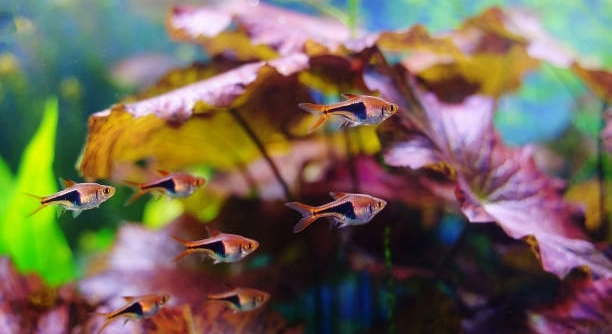
Rasboras are small, peaceful fish commonly found in home aquariums. Their calm and social nature makes them popular among fish keepers who appreciate gentle, non-aggressive species. Observing their behavior can provide insight into a tranquil aquatic environment. Rasbora behavior reflects peace through their schooling patterns, minimal territorial disputes, and consistent social interactions. Their non-aggressive tendencies … Read more

What Rasbora Do After a Feeding Routine Change

Rasboras are small, lively fish that many enjoy keeping in home aquariums. Changes in their feeding routine can affect their behavior and health in subtle ways. Understanding these changes can help keep your fish happy and thriving. When their feeding routine changes, rasboras may show altered swimming patterns, reduced activity, or changes in appetite. These … Read more

7 Unusual Rasbora Behaviors and What They Mean

Rasboras are small, active fish often found in home aquariums. They have unique behaviors that can be surprising to many fish keepers. Learning about these actions helps better understand their needs and wellbeing. Seven unusual behaviors observed in rasboras include flashing, darting, schooling tightly, hovering near the surface, fin flicking, hiding suddenly, and jumping out … Read more

How Rasbora React to Different Gravel Types

Many fish owners pay close attention to water quality and tank decorations but often overlook the impact of substrate choice. Rasboras, small and active fish, interact differently with various gravel types. Their behavior and comfort can be influenced by what lies beneath them. Rasboras show distinct reactions to gravel types based on texture, color, and … Read more

Why Rasbora React Differently to Natural Light

Do you ever notice your Rasboras acting strangely when sunlight streams through the window or the room gets a bit brighter than usual? Their subtle shifts in behavior may not be just a coincidence. Rasboras react differently to natural light due to changes in spectrum, intensity, and duration compared to artificial lighting. These factors influence … Read more

7 Ways Rasbora Explore When No One’s Watching

Do you ever find yourself wondering what your rasboras do when you’re not around to watch them swim and play? Rasboras explore their environment through natural behaviors like shoaling, darting between plants, pecking at surfaces, and adjusting to lighting changes. These activities reflect their instinctive drive to stay active, alert, and socially connected within their … Read more

7 Secrets to Keeping Rasbora Engaged

Do your rasboras often seem bored or uninterested in their surroundings, even when you’ve taken time to set up their tank? Rasboras stay engaged when their environment includes variety, consistent stimulation, and natural social interaction. Providing plants, hiding spots, a proper group size, and occasional enrichment like live food helps support their natural behaviors. Creating … Read more