
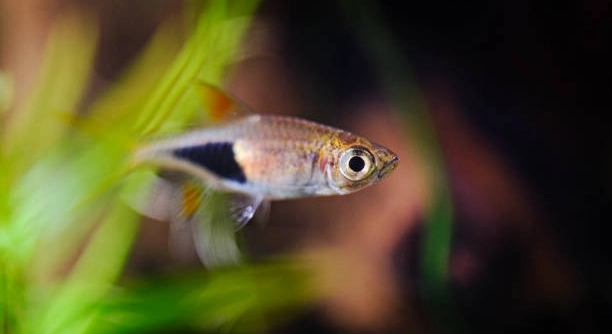
Rasboras are small, active fish often found in home aquariums. They have unique behaviors that can be surprising to many fish keepers. Learning about these actions helps better understand their needs and wellbeing.
Seven unusual behaviors observed in rasboras include flashing, darting, schooling tightly, hovering near the surface, fin flicking, hiding suddenly, and jumping out of water. Each behavior indicates different health, social, or environmental conditions affecting the fish.
Knowing what these behaviors mean can improve care and create a healthier environment for your rasboras to thrive in.
Flashing: What It Means and How to Respond
Flashing is when rasboras quickly rub or scrape their bodies against objects like plants or decorations. This behavior usually shows discomfort, often caused by irritation from parasites or poor water quality. If you notice your fish flashing, it’s important to check your tank’s water parameters. Ammonia, nitrite, or nitrate levels could be too high. Additionally, external parasites such as ich or flukes can cause itching. To help your rasboras, perform a partial water change and test the water regularly. If parasites are suspected, treatment with medication may be necessary. Providing clean, well-filtered water reduces stress and prevents further irritation. Observing flashing early lets you address problems before they worsen, improving your fish’s health and comfort.
Flashing signals that something in the tank is bothering your rasboras. Immediate action can prevent serious health issues.
Keeping the water clean and monitoring for parasites creates a safer environment. Regular tank maintenance is key to avoiding flashing episodes. If flashing continues despite good water quality, consult an aquarium specialist for proper diagnosis and treatment options. Healthy rasboras show less flashing and more active swimming. Addressing flashing quickly helps maintain a lively and peaceful aquarium.
Darting Behavior and Its Causes
Darting is a sudden, rapid swim across the tank, often seen when rasboras are startled or stressed.
This behavior is usually caused by abrupt changes in the environment, such as loud noises, sudden movements, or an aggressive tank mate. It may also happen if the fish feels threatened or crowded. Darting frequently can tire your rasboras and increase the risk of injury. To reduce darting, keep the aquarium in a quiet spot away from heavy foot traffic. Make sure tank mates are compatible and avoid overcrowding. Providing plenty of hiding places with plants or decorations also helps fish feel secure and less likely to dart around nervously. Observing these measures helps create a calmer tank where rasboras swim smoothly and confidently. Understanding darting lets you improve their environment for long-term wellbeing.
Tight Schooling Behavior
Rasboras often swim close together in tight groups. This is a natural behavior for safety and comfort.
Schooling helps protect them from predators by making it harder to target a single fish. It also reduces stress because they feel more secure in numbers. If your rasboras are schooling tightly, it usually means they are feeling cautious or insecure. This can happen if the tank is new or if there are sudden changes in their environment. Over time, as they adjust and feel safer, the group may loosen. Make sure the tank has enough space and stable conditions to encourage healthy schooling.
If the tank is too small or crowded, schooling can become overly tight and stressful. Providing plants and hiding spots also helps them feel more relaxed. Tight schooling can indicate the need for better environmental stability or more companions. Keeping at least six rasboras together supports this social behavior naturally and reduces anxiety in your fish.
Hovering Near the Surface
Hovering near the surface can be a sign of oxygen deficiency or water quality problems. Rasboras often do this when they try to access more oxygen-rich water.
If you notice your fish spending a lot of time near the surface, check the tank’s aeration. A lack of movement in the water or insufficient filtration can reduce oxygen levels. Adding an air stone or increasing water flow helps improve oxygen availability. Poor water quality with high ammonia or nitrite may also cause surface hovering because the fish try to avoid toxic conditions below. Performing regular water tests and changes is essential to fix this issue quickly.
Hovering near the surface may also happen if the tank temperature is too high. Warmer water holds less oxygen, so adjusting the temperature can help. Avoid overfeeding, which increases waste and reduces water quality. Watching this behavior closely helps ensure your rasboras stay healthy and comfortable in their environment.
Fin Flicking
Fin flicking is when rasboras rapidly move their fins in short bursts. This behavior often signals irritation or mild stress.
It can also be a way to remove parasites or debris from their fins. Watching for fin flicking helps catch early signs of discomfort.
Sudden Hiding
Rasboras suddenly hiding in plants or decorations usually indicate fear or stress. This can happen after a loud noise or the introduction of new tank mates.
Hiding helps them feel safe when the environment feels uncertain. If this behavior persists, it may mean ongoing stress or poor tank conditions. Ensuring plenty of cover and calm surroundings reduces hiding episodes and keeps rasboras more active and comfortable.
Jumping Out of Water
Jumping out of the water is dangerous and usually caused by poor water quality, stress, or lack of oxygen.
Make sure your tank has a secure lid to prevent escapes. Regularly check water conditions and provide enough space and oxygen to reduce this risky behavior.
Why do rasboras sometimes flash against objects in the tank?
Flashing usually means your rasbora is trying to relieve irritation caused by parasites or poor water quality. When fish rub their bodies against plants or decorations, they attempt to scratch an itch or remove something uncomfortable on their skin. It’s often an early sign that water parameters need checking. High ammonia, nitrites, or the presence of parasites like ich can trigger this behavior. Regular water testing and partial water changes help keep these issues in control. If parasites are confirmed, using appropriate medications will stop the flashing and improve your fish’s comfort. Preventing flashing means maintaining clean, stable water conditions and watching for any early signs of stress.
What causes rasboras to dart quickly around the tank?
Darting is a stress response triggered by sudden changes or perceived threats. Loud noises, sudden movements near the tank, or aggressive tank mates can make rasboras swim rapidly to escape. This behavior can tire the fish and increase the risk of injury if they hit decorations or the tank walls. To reduce darting, place the aquarium in a quiet, low-traffic area and avoid sudden disturbances. Choose peaceful tank mates that won’t chase or bully your rasboras. Adding plenty of plants and hiding spots offers refuge and helps them feel secure. Over time, a calm environment will reduce darting and encourage more relaxed swimming.
Why do rasboras school so tightly at times?
Tight schooling is a natural defense mechanism. Rasboras group closely together to confuse predators and increase their safety. It also helps reduce stress because being in a group makes them feel more secure. This behavior can become more noticeable if the fish are new to the tank or if there are environmental changes causing insecurity. Make sure the tank is spacious enough and stable, with no sudden shifts in water quality or lighting. Keeping a group of six or more rasboras supports healthy schooling. If the group is too small or the tank overcrowded, schooling may become overly tight and stressful.
What does it mean when rasboras hover near the water surface?
Hovering near the surface often signals low oxygen levels or poor water quality. Rasboras do this to access oxygen-rich water because surface water has more contact with the air. Poor filtration or stagnant water reduces oxygen, causing this behavior. Check the tank’s aeration system and improve water circulation by adding an air stone or stronger filter if needed. High temperatures also lower oxygen levels, so maintaining proper tank temperature is important. Overfeeding can worsen water quality, so feed sparingly and clean the tank regularly. Monitoring these factors helps keep your rasboras healthy and comfortable.
Why do rasboras flick their fins repeatedly?
Fin flicking is often a sign of irritation or mild stress. It can be a way for rasboras to shake off parasites, debris, or excess mucus from their fins. This behavior may also indicate slight changes in water quality or temperature. Frequent fin flicking means it’s time to test the water and inspect the fish closely for parasites or infections. Addressing any water issues and treating parasites early prevents fin damage and keeps the fish comfortable. Providing a stable, clean environment is key to minimizing this behavior.
What should I do if my rasboras suddenly hide a lot?
Sudden hiding usually shows fear or stress caused by new tank mates, loud noises, or changes in the aquarium environment. Hiding is their way of feeling safe until the situation calms down. If hiding continues, it may signal ongoing stress or poor water conditions. Make sure your tank has plenty of plants and decorations where they can retreat safely. Keep the environment stable with consistent water parameters and minimal disturbances. Choosing compatible tank mates and avoiding overcrowding also reduces hiding. Over time, your rasboras should become more confident and swim openly.
Why do rasboras sometimes jump out of the tank?
Jumping out of the water is dangerous and often caused by stress, poor water quality, or low oxygen levels. Fish may try to escape uncomfortable conditions or predators. Always use a secure tank lid to prevent escapes. Maintain clean water by performing regular water changes and testing parameters often. Providing good aeration and avoiding overcrowding improves oxygen availability, reducing the urge to jump. Watching for signs of illness or stress helps address problems early before fish attempt to leap. Ensuring a comfortable environment keeps your rasboras safe inside the tank.
Can rasbora behavior help me tell if the tank environment is healthy?
Yes, rasbora behavior is a good indicator of tank conditions. Normal behavior includes smooth swimming, relaxed schooling, and regular feeding. Unusual signs like flashing, darting, excessive hiding, or surface hovering often point to problems such as poor water quality, parasites, or stress. Watching these behaviors closely allows you to catch issues early. Regular water testing, proper filtration, and suitable tank mates create a healthy environment. When rasboras act naturally, it shows they are comfortable and thriving. Behavior monitoring is an important tool in maintaining a balanced aquarium.
How many rasboras should be kept together to encourage natural behavior?
Rasboras are schooling fish and feel safest in groups of six or more. Smaller groups may cause stress and lead to tight schooling or hiding. A proper group size encourages natural swimming patterns and social interaction. Keeping enough rasboras together supports their mental wellbeing and reduces anxiety. Avoid overcrowding by considering tank size; a 20-gallon tank is suitable for a group of six to eight rasboras. Providing space for swimming and hiding places helps maintain harmony. A well-sized school leads to healthier, happier fish with more natural behavior.
What can cause sudden changes in rasbora behavior?
Sudden behavior changes often result from environmental shifts like water parameter fluctuations, temperature swings, or new tank mates. Stress, illness, or parasites may also cause noticeable changes. Keep water stable with regular testing and avoid rapid changes in temperature or lighting. Quarantine new fish before introducing them to reduce disease risks. Observing any new behaviors promptly helps identify underlying causes. Acting quickly with water changes, treatments, or environmental adjustments can restore normal behavior. Staying consistent with care routines prevents sudden disruptions that upset your rasboras.
Rasboras show many interesting behaviors that can help you understand how they feel and what they need. Paying attention to actions like flashing, darting, or schooling can tell you if the fish are healthy or stressed. When rasboras flash, it usually means something is bothering their skin or the water quality is not right. Darting around suddenly often shows they are scared or uncomfortable. Tight schooling is natural but can also indicate insecurity if it becomes too intense. Watching these behaviors closely gives important clues about your aquarium’s condition and your fish’s wellbeing.
It is important to keep the tank environment stable and clean to support your rasboras’ health. Regular water testing and partial water changes prevent harmful chemicals and parasites from building up. Providing enough space, hiding spots, and compatible tank mates reduces stress and promotes natural behavior. Good aeration and proper temperature control help keep oxygen levels high, so fish don’t have to struggle near the surface. When you notice unusual behavior, acting quickly to fix water quality or remove stressors makes a big difference in how your rasboras recover. Consistency in care helps the fish feel safe and thrive in their home.
Understanding rasbora behavior can improve your experience as a fish keeper and help you create a better habitat for these lively fish. Each behavior has a reason behind it, often linked to the environment or their health. By learning what these actions mean, you can spot problems early and prevent serious issues. Keeping your aquarium balanced and calm makes a happier space for your rasboras and other tank inhabitants. Taking time to observe and respond to their behaviors will lead to a more rewarding and successful aquarium experience.

Hello,
If you enjoy the content that we create, please consider saying a "Thank You!" by leaving a tip.
Every little bit helps us continue crafting quality advice that supports the health, happiness, and well-being of pets around the world, for pets of all shapes, sizes, and species.
We really appreciate the kindness and support that you show us!