
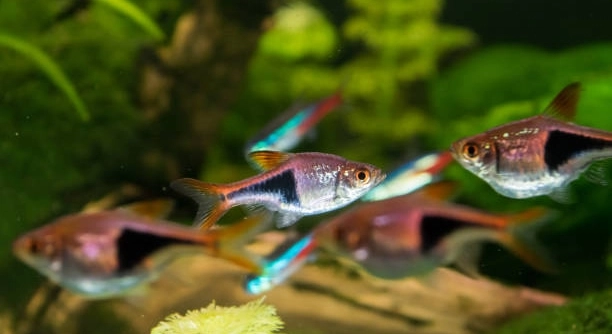
Rasboras are small, active fish that many people enjoy keeping in home aquariums. They usually swim around constantly, adding life to the tank. However, sometimes they stop moving in the middle of the tank, which can be confusing for their owners.
Rasboras may stop swimming mid-tank due to stress, water quality issues, illness, or sudden changes in their environment. These factors can affect their behavior, causing them to pause or rest away from the tank’s usual spots.
Recognizing why rasboras behave this way helps maintain a healthy tank and supports the well-being of these lively fish.
Common Causes of Rasbora Stopping Mid-Tank
Rasboras often stop swimming in the middle of the tank because of changes in their environment. Poor water quality is a frequent cause. High levels of ammonia, nitrites, or nitrates can stress the fish and affect their behavior. Temperature fluctuations can also cause discomfort, making them pause. Another reason is illness or parasites, which can weaken them and reduce their activity. Sometimes, sudden loud noises or vibrations near the tank startle them, causing a freeze response. Lack of hiding spots or overcrowding can increase stress and make them stop swimming. It’s important to monitor these conditions regularly to keep the fish healthy and active. Maintaining consistent water quality, stable temperature, and a calm environment helps prevent this behavior.
Stress and poor water conditions are the main reasons rasboras stop swimming mid-tank.
Understanding these causes helps you create a safer habitat for your rasboras, reducing unwanted behavior and supporting their natural activity.
How to Improve Your Rasbora’s Environment
Improving the tank environment involves regular maintenance and careful observation. Keeping the water clean with frequent water changes is essential for their well-being. Testing water parameters weekly ensures that levels stay within safe limits. Adding plants and decorations offers hiding spots, which reduce stress. Controlling the tank temperature and avoiding sudden changes helps keep the fish comfortable. Avoid tapping on the glass or making loud noises near the aquarium. Also, keep the tank population balanced to prevent overcrowding. Feeding your rasboras a nutritious, balanced diet strengthens their immune system and energy levels. With consistent care and attention to these factors, your rasboras will be more likely to swim actively throughout the tank again.
Signs of Illness in Rasboras
When rasboras stop swimming mid-tank, illness is often involved. Look for faded colors, clamped fins, or unusual spots. They may also lose appetite or show labored breathing.
Illness can cause lethargy, making rasboras rest in unusual spots. Common diseases include ich, fin rot, and bacterial infections. Stress weakens their immune system, increasing vulnerability. Observing these signs early allows for quicker treatment. Quarantining affected fish helps prevent spread. A clean tank and good water conditions are critical for recovery. Regular monitoring ensures that problems are caught before they worsen, keeping the group healthy and active.
Early detection and proper care are key to helping sick rasboras regain strength. Maintaining a stable environment supports their healing process and prevents relapses.
Impact of Tank Size and Population Density
Overcrowding in a small tank raises stress levels for rasboras. Limited swimming space forces them to compete for territory, leading to erratic or paused movement. A larger tank provides room to explore and rest naturally.
A balanced population helps maintain harmony. Too many fish increase waste and strain filtration systems, harming water quality. Stress from overcrowding often leads to health issues, making rasboras more likely to stop swimming. Choosing the right tank size and avoiding overstocking are essential. Proper filtration and regular water changes help manage waste, keeping the environment clean. Monitoring fish behavior can indicate when adjustments are needed to improve living conditions. Providing adequate space promotes natural activity and overall well-being.
Water Temperature Effects
Rasboras are sensitive to temperature changes. Sudden drops or rises can cause stress, making them stop swimming mid-tank. Keeping the temperature steady is essential for their comfort and health.
Ideal temperatures for most rasbora species range between 72°F and 78°F. Using a reliable heater and thermometer helps maintain this balance consistently.
Feeding Habits and Behavior
Inadequate or improper feeding affects rasboras’ energy levels. Overfeeding can pollute the water, while underfeeding weakens them, causing lethargy. Feeding small, frequent portions of high-quality food supports their activity and well-being.
Stress and Environmental Disturbances
Loud noises, vibrations, or frequent handling increase rasboras’ stress. Reducing these disturbances helps maintain calm behavior and regular swimming patterns.
Providing Resting Areas
Adding plants and decorations creates safe spots where rasboras can rest. These areas encourage natural behavior and reduce stress-induced inactivity.
FAQ
Why does my rasbora stop swimming suddenly and float mid-tank?
This behavior often indicates stress or illness. It can result from poor water quality, temperature changes, or infections. Floating mid-tank may be their way to conserve energy while dealing with discomfort. Checking water parameters and observing for other symptoms helps identify the cause.
How can I improve water quality for my rasboras?
Regular water changes and testing are essential. Remove 20-30% of the water weekly to reduce toxins like ammonia and nitrates. Use a good filtration system and avoid overfeeding to keep the tank clean. Proper maintenance supports healthy fish behavior.
What temperature should my rasbora tank be?
Most rasbora species thrive in temperatures between 72°F and 78°F (22°C to 26°C). Keeping temperature stable within this range prevents stress. Using a heater and thermometer ensures a consistent environment.
Can poor diet cause rasboras to stop swimming?
Yes, inadequate nutrition affects energy levels and health. Overfeeding pollutes water, while underfeeding weakens fish. Feeding high-quality flakes, pellets, or frozen foods in small amounts twice daily supports their activity.
How many rasboras should be kept together?
Rasboras are schooling fish and do best in groups of six or more. Smaller groups may feel insecure, increasing stress. Avoid overcrowding by matching tank size to the number of fish, ideally at least 10 gallons for six rasboras.
What signs of illness should I watch for?
Look for faded colors, clamped fins, white spots, or unusual swimming patterns. Loss of appetite and rapid breathing are also warning signs. Early detection allows timely treatment to prevent serious health issues.
How can I reduce stress in my rasbora tank?
Keep the tank in a quiet area away from loud noises and vibrations. Provide hiding places with plants and decorations. Avoid sudden changes in lighting or water conditions. Gentle handling during maintenance reduces stress as well.
Is it normal for rasboras to rest mid-tank sometimes?
Occasional resting is normal, especially at night or after feeding. However, frequent or prolonged inactivity may signal problems. Monitoring behavior helps distinguish between rest and illness-related inactivity.
What should I do if my rasbora appears sick?
Quarantine the affected fish if possible to prevent spreading illness. Test water parameters and improve conditions immediately. Consult a veterinarian or aquatic specialist for appropriate treatments like medication or salt baths.
Can tank size affect rasbora activity?
Yes, smaller tanks limit swimming space and increase stress, causing unusual behavior. Providing a spacious tank with at least 10 gallons for a small group encourages natural movement and reduces inactivity.
How often should I feed my rasboras?
Feed twice daily with small portions that the fish can consume within a few minutes. Overfeeding leads to water pollution, while proper feeding maintains energy and health.
Do rasboras need special plants or decorations?
Live plants and smooth decorations offer hiding spots that reduce stress and provide resting places. Avoid sharp objects that can injure the fish. A well-decorated tank promotes natural behavior.
Can water changes cause rasboras to stop swimming?
Sudden, large water changes may shock rasboras due to rapid shifts in water chemistry. Perform gradual changes and ensure new water matches tank conditions closely to prevent stress.
What is the best way to introduce new rasboras to my tank?
Acclimate new fish slowly by floating the sealed bag in the tank for 15-30 minutes. Gradually add tank water to the bag before release. This reduces shock from temperature and water differences.
Why do rasboras sometimes freeze instead of swimming away?
Freezing is a natural defense against perceived threats. Stressful stimuli like sudden movements or loud noises can trigger this behavior. Maintaining a calm environment minimizes these responses.
How can I tell if water parameters are safe for rasboras?
Ideal parameters include pH 6.5–7.5, ammonia and nitrites at 0 ppm, and nitrates below 20 ppm. Regular testing with aquarium kits helps monitor these levels. Safe water supports fish health and activity.
Final thoughts on why rasboras might stop swimming mid-tank focus on understanding their basic needs and environment. Rasboras are delicate fish that rely heavily on stable water conditions, a proper diet, and a peaceful habitat. When any of these factors are off balance, their behavior changes. Stopping in the middle of the tank is often a sign that something is wrong. It could be stress, illness, or a problem with their surroundings. Paying attention to these signs helps prevent bigger health problems and keeps your fish active and healthy.
Maintaining good water quality is one of the most important steps to ensure rasboras remain lively swimmers. Regular water changes, testing for harmful chemicals like ammonia and nitrites, and keeping the tank clean can make a big difference. Temperature should also be steady and within the ideal range for the species. These small but consistent efforts create a comfortable environment where rasboras can thrive. Overcrowding and sudden environmental changes cause stress and often lead to the fish stopping mid-tank. Providing enough space and stable conditions reduces their stress levels and promotes natural swimming behavior.
Finally, illness and diet also play key roles in rasbora health and activity. If a fish is sick, it may become weak and stop swimming normally. Observing your fish regularly for any signs of disease is important so treatment can start early. Feeding a balanced and appropriate diet supports their immune system and energy levels. Small, frequent feedings are better than large meals. Adding plants and decorations in the tank offers resting places and reduces stress. Together, these efforts support the well-being of rasboras and help prevent the behavior of stopping mid-tank. Taking care of your rasboras this way creates a more enjoyable aquarium for both the fish and the keeper.

Hello,
If you enjoy the content that we create, please consider saying a "Thank You!" by leaving a tip.
Every little bit helps us continue crafting quality advice that supports the health, happiness, and well-being of pets around the world, for pets of all shapes, sizes, and species.
We really appreciate the kindness and support that you show us!