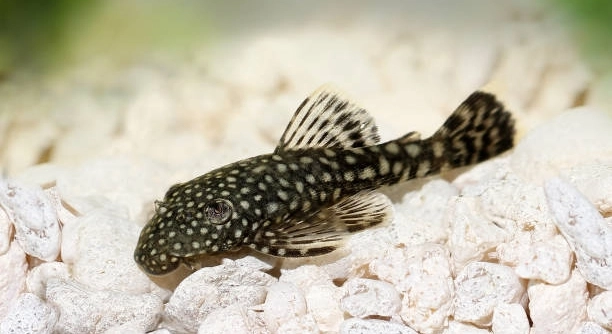
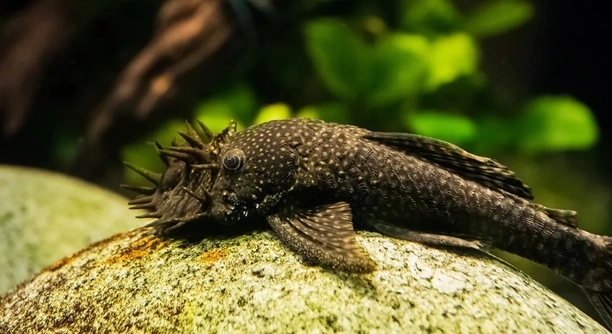
7 Pleco Tank Adjustments That Make a Big Difference
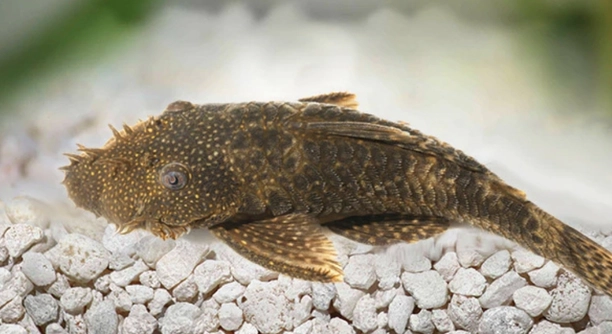
Are your plecos not as active or vibrant as you expected in your tank? Many aquarium owners struggle with creating an ideal environment for these unique fish. Simple adjustments can make a surprising difference in their wellbeing. The most effective tank adjustments for plecos include regulating water temperature, maintaining clean water, optimizing tank size, providing … Read more
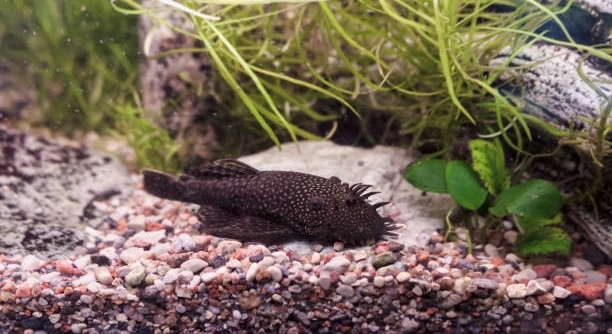
7 Times Plecos Might Bite Other Fish

Do you enjoy keeping a peaceful aquarium but notice your pleco sometimes acts aggressively toward other fish? Many aquarists are surprised when these usually calm algae eaters bite unexpectedly, causing stress in the tank environment. Plecos may bite other fish for several reasons, including competition for territory, limited food resources, stress, injury, breeding behavior, or … Read more

What Happens If a Pleco Loses Its Cave?

Do you ever find yourself observing your pleco and noticing its favorite hiding spot empty or missing? Many aquarists may not realize how important caves are for plecos and their daily behavior in the tank. When a pleco loses its cave, it can experience stress and reduced territorial security. These fish rely on hiding spaces … Read more

7 Feeding Mistakes Pleco Owners Often Make

Do you enjoy keeping plecos but sometimes struggle with their feeding habits? Many owners find themselves unintentionally making mistakes that can affect their fish’s health. Feeding plecos correctly is easier than it seems once key habits are learned. Pleco feeding mistakes often stem from overfeeding, providing inadequate diet variety, or neglecting their need for algae … Read more

Do Bristlenose Plecos Prefer Round Tanks?

Have you ever wondered if the shape of your fish tank affects the comfort of your Bristlenose Plecos? Many fish owners often think that round tanks might suit these peaceful bottom-dwellers better. Tank shape can influence their daily behavior and resting patterns. Bristlenose Plecos do not have a preference for round tanks over rectangular ones. … Read more

7 Weird Pleco Habits That Are Actually Normal

Do you ever notice your pleco scraping the glass or hiding in corners for hours at a time? These behaviors can seem strange, but they are common patterns in the daily life of these unique aquarium fish. Plecos display behaviors such as constant grazing, hiding in tight spaces, and nocturnal activity as part of their … Read more

Can Bristlenose Plecos Hear Sounds?

Bristlenose plecos are popular freshwater fish known for their algae-eating habits and unique appearance. Many aquarium enthusiasts enjoy observing their behavior, especially how they interact with their environment and respond to changes in their tank. Bristlenose plecos do not have traditional ears but can detect vibrations and low-frequency sounds through their inner ear and lateral … Read more

7 Ways to Boost Pleco Immune Health

Are your plecos showing signs of sluggishness or frequent illness? Maintaining their immune health is essential for a thriving aquarium. Ensuring the right environment, diet, and care routines can significantly improve their overall well-being. Boosting pleco immune health requires consistent attention to water quality, balanced nutrition, and environmental enrichment. Providing appropriate foods, maintaining stable tank … Read more

7 Times You Should Feed Plecos Differently

Paragraph 1:Plecos are popular aquarium fish, admired for their algae-eating habits. Feeding them properly can sometimes be tricky, as their diet needs change based on age, species, and tank conditions. Paragraph 2:Plecos require varied feeding approaches in different situations, including growth stages, health conditions, water temperature, and seasonal changes. Adapting their diet ensures proper nutrition, … Read more

Why Your Pleco Might Be Avoiding Light

Have you ever noticed your pleco spending most of its time hiding in dark corners or behind aquarium decorations instead of swimming freely? Plecos naturally avoid light because they are nocturnal fish. Their bodies are adapted for low-light environments, where they can safely feed and rest. Bright lighting can cause stress and discomfort, leading them … Read more