
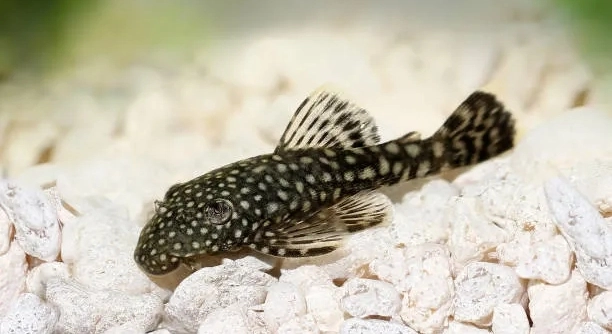
Do you enjoy keeping a peaceful aquarium but notice your pleco sometimes acts aggressively toward other fish? Many aquarists are surprised when these usually calm algae eaters bite unexpectedly, causing stress in the tank environment.
Plecos may bite other fish for several reasons, including competition for territory, limited food resources, stress, injury, breeding behavior, or sudden changes in water conditions. Understanding these triggers is essential for maintaining a harmonious aquatic ecosystem and preventing harm.
Knowing when and why these bites occur can help you manage your tank more effectively and keep all your fish healthier and calmer.
Territorial Disputes
Plecos are naturally territorial, especially larger species. They may bite other fish that venture too close to their chosen hiding spots or preferred areas for feeding. In a confined tank, these disputes are more likely to occur because space is limited. Signs of territorial behavior include chasing, sudden lunges, or tail slapping. Providing plenty of hiding places such as caves, driftwood, and plants can help reduce these conflicts. The more room a pleco has to establish its own space, the less likely it will feel threatened and resort to aggression. Consistent observation of your tank helps identify which areas are most contested and which fish are affected. Avoid overcrowding the tank, as it increases stress for all fish. Plecos will often return to calmer behavior once they feel secure in their territory and have enough space to retreat when needed. Understanding their need for personal space is key to preventing bites.
Creating distinct zones in the aquarium and monitoring interactions helps keep aggression minimal and maintains harmony among fish.
Setting up visual barriers, rearranging decorations, and rotating feeding areas can further prevent disputes, ensuring plecos coexist peacefully with other species without constant conflict or injury.
Competition for Food
Plecos may bite when food is scarce or when they perceive competition from other fish during feeding times. Even herbivorous or omnivorous species can act aggressively if they feel their portion is threatened. Feeding multiple areas simultaneously can help reduce this behavior.
Providing a consistent diet with sufficient quantity ensures plecos and other fish are not stressed.
Different species may have different feeding strategies. Some plecos feed mostly at night, while others are active during the day. Offering sinking algae wafers, fresh vegetables like zucchini or cucumber, and occasional protein supplements ensures they do not feel the need to compete aggressively. Monitoring feeding sessions can reveal which fish are dominant and which are at risk of being bitten. Separating overly aggressive individuals temporarily or adjusting feeding times can also reduce conflicts. Over time, establishing a predictable feeding routine minimizes stress and encourages plecos to focus on eating rather than defending resources, resulting in a calmer and safer tank environment.
Stress from Water Conditions
Poor water quality can make plecos irritable and more likely to bite other fish. High ammonia, nitrite, or nitrate levels, as well as sudden temperature changes, can trigger aggressive behavior. Keeping water parameters stable is essential for a peaceful tank.
Stress affects a pleco’s immune system and behavior, increasing the likelihood of aggression. Changes in water pH, hardness, or temperature may make them feel unsafe, prompting them to lash out at nearby fish. Even slight disturbances, like overfeeding or frequent rearrangements, can elevate stress levels. Maintaining consistent water changes, testing regularly, and ensuring proper filtration reduces tension and creates a calmer environment. Stress management is critical because prolonged aggression can injure other fish and weaken the pleco itself. Observing fish for unusual hiding, rapid breathing, or erratic swimming helps identify stress before it leads to biting.
Introducing slow, gradual changes and monitoring tank conditions ensures plecos remain comfortable. Proper care minimizes stress-induced aggression while promoting healthy interactions with other species. Consistent routines and a stable environment are key to maintaining harmony.
Breeding Behavior
During breeding periods, plecos may become territorial and protective of eggs or chosen nesting areas, increasing the chance of biting other fish. They prioritize guarding their offspring, often reacting aggressively to any perceived threats in the tank.
Breeding triggers intense territorial instincts. Male plecos often guard caves or specific surfaces where eggs are laid, displaying aggression toward both their own species and other fish. This behavior is natural and temporary but can result in noticeable injuries if not managed. Females may also display mild aggression when selecting sites, but males typically lead in defending the area. Providing separate breeding tanks or adequately spaced hiding spots minimizes conflicts, ensuring both safety for the eggs and less stress for tank mates. Recognizing these patterns allows aquarists to plan ahead and accommodate breeding plecos without compromising the overall harmony of the aquarium.
Isolating breeding plecos when possible, offering multiple caves, and maintaining excellent water quality supports natural behavior while reducing risk of injury to other fish. Proper management during breeding periods helps prevent unnecessary bites.
Injury or Illness
Plecos may bite other fish if they are injured or feeling unwell. Pain or discomfort can make them defensive, causing unexpected aggression toward tank mates.
Monitoring your pleco’s health is essential. Look for wounds, unusual swimming, or lethargy. Treating illnesses promptly reduces stress and the chance of bites.
Overcrowding
Too many fish in a tank increases tension, making plecos more likely to bite. Limited space forces competition for hiding spots and feeding areas, escalating aggression. Proper stocking levels and adequate tank size reduce conflicts and maintain calmer interactions.
Reaction to New Fish
Introducing a new fish can provoke a pleco’s defensive behavior. Sudden changes in the tank environment often trigger biting as they establish boundaries.
Lack of Hiding Spots
Plecos need plenty of caves, driftwood, and plants to retreat. Without these, they feel exposed and may lash out at other fish.
Why did my pleco bite another fish suddenly?
Plecos may bite unexpectedly due to stress, territorial behavior, or competition for food. Sudden changes in water conditions, overcrowding, or the introduction of new tank mates can trigger defensive reactions. Observing your tank carefully helps identify which factor caused the aggression.
How can I prevent plecos from biting other fish?
Providing enough space, hiding spots, and consistent feeding routines reduces aggression. Ensure the tank is large enough for all fish, with caves, driftwood, and plants for plecos to claim their own area. Regular water testing and maintenance also minimizes stress-related biting.
Is it normal for plecos to bite during breeding?
Yes. Male plecos become highly protective of eggs or nesting sites, which can lead to temporary aggression. This is a natural behavior and typically subsides once breeding is complete. Offering separate breeding areas helps protect both eggs and tank mates.
Can poor water quality cause plecos to bite?
Absolutely. High levels of ammonia, nitrites, or nitrates, as well as sudden temperature fluctuations, can irritate plecos. Stress from poor water quality increases the likelihood of defensive or aggressive behavior. Regular water changes and proper filtration are crucial to prevent this.
What should I do if my pleco injures another fish?
Remove the injured fish and treat any wounds immediately. Check the pleco’s behavior and environment to identify triggers. Increasing hiding spaces, adjusting feeding routines, and monitoring interactions can prevent future incidents. Keeping a first aid kit for fish is helpful.
Do plecos bite because of hunger?
Yes, limited food can cause competition and biting. Ensure plecos receive sufficient algae wafers, fresh vegetables, and protein supplements. Feeding in multiple areas helps reduce disputes and ensures all fish get their share without stress.
Are certain species more likely to bite?
Larger plecos and some aggressive species have stronger territorial instincts and may bite more often. Smaller or more passive plecos tend to coexist peacefully, but stress, overcrowding, or poor conditions can still lead to biting in any species.
How can I tell if biting is due to illness?
If a pleco shows lethargy, unusual swimming, or visible wounds, biting may be a response to discomfort. Illness weakens them and increases irritability. Isolating and treating the sick pleco promptly can reduce aggressive incidents and protect other fish.
Will plecos bite if there aren’t enough hiding spots?
Yes. Plecos feel vulnerable without proper shelters like caves or driftwood. Lack of hiding spots increases stress and can trigger defensive biting. Adding decorations, plants, and secure retreats allows plecos to feel safe and reduces aggression.
Can aggression among plecos be reduced over time?
Yes. Over time, plecos can establish territories and learn to coexist if the tank is spacious and well-structured. Consistent routines, adequate hiding places, and careful monitoring help minimize conflicts, creating a calmer, healthier environment for all fish.
How often should I monitor my pleco’s behavior?
Daily observation is best. Watch feeding patterns, swimming habits, and interactions with other fish. Early detection of stress or aggression allows quick interventions, preventing injuries and maintaining a harmonious tank environment.
Does introducing new fish always lead to bites?
Not always, but new fish can trigger defensive behavior as plecos establish boundaries. Adding fish gradually, rearranging the tank for a fresh layout, and providing hiding spaces can ease introductions and reduce aggression.
Are bites during nighttime normal?
Some plecos are nocturnal and may act defensively during their active hours. Observing tank activity at night helps determine if bites are linked to feeding or territorial behavior and allows adjustments to lighting or feeding schedules.
Can diet changes influence biting?
Yes. Sudden diet changes or insufficient nutrition can increase competition and stress, leading to aggression. Maintaining a consistent, balanced diet with algae, vegetables, and occasional protein helps keep plecos calm and reduces biting incidents.
What is the best way to handle repeated aggression?
If a pleco repeatedly bites, consider separating aggressive individuals, increasing hiding spots, or adjusting stocking density. Monitoring interactions and modifying the environment can break patterns of aggression and maintain a safer, more peaceful tank.
Are plecos more likely to bite in smaller tanks?
Yes. Limited space increases competition for territory, feeding spots, and hiding places. A larger tank allows plecos to establish personal zones, reducing stress and aggressive interactions, and promoting healthier coexistence with other fish.
Can plecos be trained to be less aggressive?
While not trainable like mammals, consistent routines, predictable feeding, and a stable environment help plecos feel secure, indirectly reducing aggressive behavior. Over time, these measures can lead to calmer interactions with other fish.
Is it necessary to separate plecos permanently if they bite?
Not always. Temporary separation during high-stress periods, breeding, or after injury can help. With adequate space, hiding spots, and careful monitoring, most plecos can coexist peacefully without permanent isolation.
How do I know if my pleco’s bite is serious?
Serious bites often result in bleeding, torn fins, or deep wounds. Monitor both the injured fish and pleco, adjust tank conditions, and provide proper treatment to prevent infections or further injuries.
Can environmental enrichment reduce biting?
Yes. Adding driftwood, rocks, caves, and plants gives plecos places to hide and explore. Enrichment reduces boredom and stress, which are common triggers for defensive or aggressive biting.
How long does aggression usually last?
Aggression can be temporary during stress, breeding, or new introductions. With proper care, hiding spots, and stable water conditions, plecos usually return to calm behavior within days or weeks, minimizing long-term risks to other fish.
What role does tank layout play in preventing bites?
Tank layout is crucial. Separating territories with decorations and providing multiple feeding areas prevents direct confrontations. Thoughtful arrangement reduces stress, supports natural behavior, and significantly lowers the likelihood of plecos biting other fish.
How often should I clean the tank to reduce stress-induced biting?
Regular maintenance is important. Weekly partial water changes, filter checks, and substrate cleaning keep water quality high, preventing stress that leads to aggression. Consistency helps plecos feel secure and minimizes biting incidents.
Are plecos more aggressive with certain tank mates?
Some fast-moving or territorial fish can trigger pleco aggression. Matching species with compatible temperaments, considering size, and providing adequate space helps reduce conflict and ensures peaceful coexistence in a mixed aquarium.
Can plecos bite by mistake?
Yes. Sometimes bites occur during feeding frenzies or accidental contact while exploring. These incidents are usually minor but monitoring interactions ensures they don’t escalate into serious injuries.
Does lighting affect aggression?
Sudden changes in lighting or overly bright tanks can stress plecos. Gradual lighting schedules, dim areas, and shaded retreats reduce stress-related biting, allowing plecos to feel more secure and interact calmly with other fish.
How do I recover fish after a pleco bite?
Treat wounds promptly, isolate injured fish if needed, and monitor recovery closely. Maintain optimal water quality and provide gentle care. Reducing stress and adjusting the environment prevents further bites and supports full healing.
Are juvenile plecos less likely to bite?
Juveniles may bite less frequently due to smaller size and less established territories, but overcrowding, stress, or food competition can still provoke aggression. Early tank planning and sufficient space help minimize these risks.
Can temperature fluctuations trigger bites?
Yes. Rapid changes in water temperature can stress plecos, making them defensive or irritable. Maintaining a stable, species-appropriate temperature reduces aggression and ensures a calmer aquarium environment.
Do plecos bite other plecos too?
They can, particularly males defending territory or breeding sites. Aggression among plecos is often limited to specific situations and can be managed with proper tank size, hiding spots, and monitoring.
Is monitoring behavior more important than water quality alone?
Both are essential. Water quality prevents stress-induced aggression, while behavior monitoring identifies early signs of tension, injury, or illness, allowing proactive steps to reduce biting incidents.
Can sudden movements near the tank provoke bites?
Yes. Plecos may react defensively to vibrations or sudden movements. Minimizing disturbances near the aquarium reduces stress and helps prevent accidental or defensive bites.
Are bites more common in community tanks?
Yes. Mixed-species tanks with limited space or competition increase the chance of bites. Careful species selection, adequate hiding spots, and proper stocking levels reduce aggression and maintain harmony.
How long should I observe after introducing new fish?
Observe closely for at least the first week. Early monitoring identifies aggressive behavior, allows intervention, and ensures all fish adjust safely to the new tank dynamics.
Do plecos bite when they feel threatened?
Yes. Any perceived threat, whether from other fish, environmental changes, or human activity, can trigger defensive biting. Providing security through hiding places and stable conditions helps minimize this behavior.
What signs indicate a pleco is stressed before biting?
Hiding excessively, rapid breathing, erratic swimming, or fin clamping are common stress indicators. Recognizing these signs allows timely intervention, reducing the likelihood of aggressive biting.
Can multiple plecos coexist peacefully?
Yes, with proper space, hiding spots, and monitoring. Conflicts are less likely in spacious, well-structured tanks, especially if each pleco can claim its own territory and access adequate food without competition.
Does age affect aggression?
Older plecos may be more territorial and assertive, while younger plecos are often more submissive. Awareness of age-related behavior helps manage tank dynamics and reduces biting incidents.
How do I balance plecos with other fish species?
Select tank mates with compatible size and temperament, provide ample space, hiding spots, and multiple feeding areas. Monitoring behavior ensures peaceful interactions and reduces the risk of plecos biting other fish.
Can aggression be seasonal?
Breeding cycles or natural activity changes may make plecos more aggressive during specific times. Anticipating these periods and adjusting the environment helps prevent conflicts.
Are pleco bites dangerous to humans?
Typically, pleco bites are not serious for humans. Their mouths are adapted for scraping surfaces, not harming people, but care should still be taken to avoid injury.
How do I prevent recurring bites?
Address the root cause, whether it’s territory, stress, or feeding competition. Adjust tank conditions, increase hiding spots, maintain water quality, and monitor interactions to prevent repeated incidents.
What role does tank size play in preventing aggression?
Larger tanks reduce competition, provide more territory, and allow plecos to feel secure. Adequate space is one of the most effective ways to minimize biting and maintain a calm environment.
Are plecos more likely to bite in small or new tanks?
Yes. Limited space and unfamiliar environments increase stress, making plecos more defensive. Gradual introductions and proper tank setup reduce aggression in new or small aquariums.
How important is diet variety?
A varied diet keeps plecos healthy and reduces stress-induced biting. Offering vegetables, algae wafers, and occasional protein ensures nutritional needs are met and competition for food is minimized.
Can plecos learn to tolerate each other?
Yes. With adequate space, hiding spots, and consistent care, plecos often learn to coexist peacefully, reducing aggressive interactions over time.
Does water flow affect aggression?
Strong currents may stress some plecos, increasing defensive behavior. Providing calm areas or adjusting flow helps reduce stress-related biting.
Are bites more likely in community tanks with active species?
Yes. Fast-moving or territorial fish can trigger defensive responses from plecos. Adequate space, hiding spots, and careful species selection reduce aggression.
What is the first step after a pleco bite incident?
Assess injuries, treat affected fish, and identify triggers. Adjust the environment and monitor behavior to prevent further incidents.
Can adding more decorations help?
Yes. Driftwood, plants, and rocks create territories and hiding spots, reducing stress and defensive biting.
Do plecos bite less when comfortable?
Absolutely. When plecos feel secure with stable water conditions, enough space, and proper feeding, biting incidents decrease significantly.
How can I make my pleco feel secure?
Provide hiding places, stable water conditions, consistent feeding, and adequate space. A calm, well-structured environment reduces stress and aggression.
Are some plecos naturally calmer?
Yes. Smaller or less territorial species tend to coexist peacefully. Species selection matters when aiming for a low-conflict tank.
Does overfeeding prevent biting?
Proper feeding reduces competition, but overfeeding can harm water quality. Balance quantity with regular maintenance to maintain calm behavior.
Can plecos bite when exploring new areas?
Yes, they may test boundaries and defend perceived territory. Providing safe zones prevents conflicts.
Is it normal for bites to leave marks?
Minor bites can leave small marks, but serious injuries may require treatment. Monitor healing and adjust tank conditions to prevent recurrence.
Do plecos bite more in crowded tanks?
Yes. Limited space increases stress, territorial disputes, and competition, leading to more frequent bites.
How can I tell if a pleco is aggressive or just curious?
Aggressive behavior includes chasing, lunging, and repeated nips. Curiosity is usually brief contact without injury or stress signs.
Should I separate a pleco permanently if it bites?
Not always. Temporary separation or environmental adjustments are often enough to reduce aggression while allowing eventual reintegration.
Does hiding space reduce aggression toward all fish?
Yes. Proper shelters allow plecos to retreat, feel secure, and minimize biting toward both conspecifics and other species.
Can aggression escalate if ignored?
Yes. Unaddressed stress, overcrowding, or territorial disputes can lead to repeated injuries and chronic aggression.
How do I balance multiple factors to prevent bites?
Maintain water quality, provide space and hiding spots, feed consistently, monitor behavior, and adjust tank layout. A holistic approach reduces aggression and ensures a peaceful aquarium.
Are bites more frequent during feeding?
Yes. Competition for food increases defensive behavior. Feeding in multiple areas reduces disputes and ensures all fish eat safely.
Can environmental enrichment replace tank mates for stimulation?
Yes. Providing caves, driftwood, and plants keeps plecos occupied, reducing boredom and stress-induced biting.
How do I know if aggression is temporary?
Observe behavior over days or weeks. Aggression during stress, breeding, or adjustment periods often subsides once conditions improve.
Does adding more plecos increase bites?
It depends. More plecos can increase competition unless the tank is large enough with adequate hiding spaces for each individual.
Are plecos more aggressive in community tanks than single-species tanks?
Generally, yes. Mixed-species tanks increase competition and territorial disputes, making proper management essential to reduce biting incidents.
How often should I check water parameters to prevent biting?
At least weekly. Stable water reduces stress, minimizing aggression and supporting healthier interactions among all fish.
Can frequent tank rearrangements cause bites?
Yes. Changing layouts too often can stress plecos, making them defensive. Gradual adjustments help maintain calm behavior.
Do plecos bite more at night?
Some species are nocturnal and more active at night. Stress or territorial instincts during this time can lead to occasional bites.
Is it normal for plecos to bite new tank mates repeatedly?
Yes, initially. Territorial and defensive behavior is common but usually decreases as fish adjust, especially with hiding spaces and proper tank management.
How do I safely introduce new fish to a pleco tank?
Add fish gradually, provide hiding spots, rearrange decorations to break up established territories, and monitor interactions closely to reduce stress-induced aggression.
Can plecos bite in a well-maintained tank?
Yes, occasionally. Even in ideal conditions, territorial instincts, breeding behavior, or accidental interactions may lead to minor bites. Monitoring and adjustments keep incidents minimal.
Are bites more likely in aggressive pleco species?
Yes. Larger or more territorial species are naturally more prone to biting. Tank size, hiding spots, and careful monitoring help manage aggression.
Does diet consistency affect biting frequency?
Yes. Predictable, adequate nutrition reduces competition and stress, lowering the likelihood of plecos biting other fish.
Can plecos form pecking orders like other fish?
Yes. Territorial and social hierarchies can influence aggression, with dominant individuals occasionally biting subordinates to assert control.
How do I recognize signs before a bite occurs?
Chasing, fin flaring, tail slapping, or sudden lunges indicate aggression is likely. Observing early signs allows intervention before injuries happen.
What’s the best long-term strategy to prevent pleco bites?
Maintain stable water conditions, provide space and hiding spots, feed adequately, monitor behavior, and adjust the environment proactively. This combination ensures calmer, safer tank dynamics.
Are plecos less aggressive in larger tanks?
Yes. More space reduces competition, allows personal territories, and lowers stress, significantly decreasing biting incidents.
Can stress from other fish trigger bites?
Yes. Aggressive or fast-moving tank mates can provoke defensive behavior, making stress management crucial to prevent biting.
Do plecos bite more when their territory is disrupted?
Yes. Rearranging decorations or introducing new fish can provoke defensive biting. Ensuring stable territories reduces conflicts.
Is aggression a sign of illness?
Sometimes. Lethargy, erratic swimming, or visible wounds indicate illness may be causing irritability. Early treatment reduces biting risks.
How do I minimize bites during feeding times?
Feed in multiple areas, provide sufficient food, and distribute algae wafers or vegetables evenly to reduce competition and aggressive behavior.
Do plecos bite each other more than other species?
Aggression can occur among plecos, especially males during territorial disputes or breeding. Proper spacing and hiding spots mitigate conflicts.
Can sudden noises or vibrations cause bites?
Yes. Plecos may react defensively to disturbances. Minimizing sudden noise or movement near the tank reduces stress and biting.
Are pleco bites more dangerous to smaller fish?
Yes. Bites can injure smaller fish more severely, so monitoring interactions and providing safe spaces is essential to protect vulnerable species.
How long does it take for plecos to calm down after stress?
It depends on the cause. Minor stress may subside within hours, while breeding or territorial disputes may take days. Proper care accelerates recovery.
Does tank cleanliness influence aggression?
Yes. Poor water quality increases stress, triggering defensive or aggressive behavior. Regular maintenance keeps plecos calmer and healthier.
How can I tell if a pleco is stressed without biting?
Signs include hiding, clamped fins, rapid breathing, or reduced activity. Recognizing stress early prevents escalation to aggressive biting.
Is aggression permanent in some plecos?
Rarely. Most aggression is situational. Environmental adjustments
Plecos are generally peaceful fish, but as we have explored, there are situations where they might bite other fish. Understanding the reasons behind these behaviors is key to maintaining a harmonious aquarium. Aggression in plecos is usually linked to natural instincts such as territorial disputes, breeding behaviors, or competition for food. Stress from poor water conditions, overcrowding, or sudden changes in the tank can also contribute to biting. By recognizing these triggers, aquarists can take proactive steps to minimize conflicts and protect all fish in the tank. Observing plecos closely and noting their behavior allows you to identify patterns early and address potential issues before they escalate into injuries.
Providing an environment that meets the needs of plecos is essential for preventing aggression. Adequate space, multiple hiding spots, and a well-structured layout give plecos areas to claim as their own, reducing the chance of biting. A stable diet with sufficient nutrition ensures they are not competing aggressively for food, while regular maintenance of water quality reduces stress and promotes healthy behavior. Gradual introductions of new fish, careful selection of tank mates, and monitoring interactions are also important. These steps create a calm environment where plecos feel secure, and other fish are less likely to be harmed. Over time, most plecos learn to coexist peacefully with other species when their environment is thoughtfully managed and their natural behaviors are considered.
Even with proper care, occasional bites may still occur, but these can often be managed with observation and minor adjustments. Minor injuries should be treated promptly, and the environment should be checked for stress triggers such as overcrowding, insufficient hiding spots, or sudden changes in water parameters. By maintaining consistency in feeding, monitoring water quality, and providing a balanced habitat, plecos are more likely to display calm and predictable behavior. Understanding their natural instincts and responding appropriately ensures a safer and more enjoyable aquarium experience for both the fish and the aquarist. With attention to detail, patience, and proactive management, plecos can coexist with other species, allowing aquarists to appreciate their unique behaviors without unnecessary stress or harm in the tank.

Hello,
If you enjoy the content that we create, please consider saying a "Thank You!" by leaving a tip.
Every little bit helps us continue crafting quality advice that supports the health, happiness, and well-being of pets around the world, for pets of all shapes, sizes, and species.
We really appreciate the kindness and support that you show us!