Why Are My Tetra Constantly Resting in One Spot?

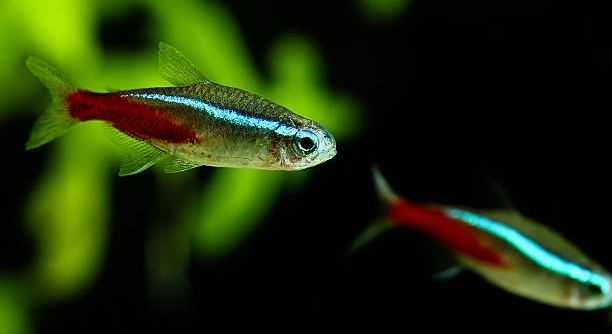
Many aquarium owners notice their tetra fish resting in one spot for long periods. This behavior can cause concern, especially for those new to keeping these lively freshwater fish. Understanding why they do this helps ensure their well-being. Tetras often rest in one spot due to stress, illness, poor water conditions, or lack of stimulation. … Read more

7 Ways to Help Tetra Cope With New Tank Syndrome

New tank syndrome can cause stress and health problems for your tetra fish when introduced to a new aquarium. It happens because the water conditions are not yet stable enough for them to thrive. Managing this early phase is important for their well-being. To help tetra fish cope with new tank syndrome, it is essential … Read more

7 Common Tankmate Problems for Tetra

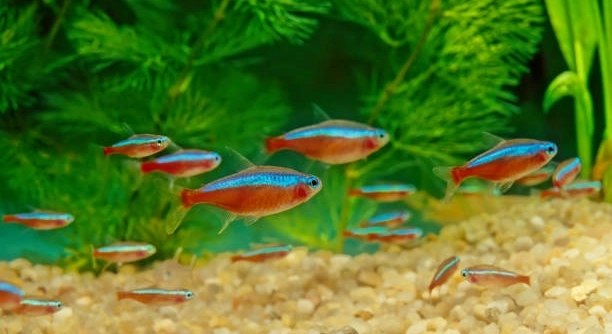
Tetras are popular aquarium fish known for their vibrant colors and peaceful nature. Many fishkeepers enjoy adding them to community tanks, but sometimes issues arise when they share space with other species. Understanding these problems can help maintain a healthy environment. Common tankmate problems for tetras include aggression from other fish, competition for food, stress … Read more

7 Foods That Will Boost Tetra Breeding Success

Tetra fish are popular in home aquariums, and many enjoy breeding them. Successful breeding depends on several factors, including the right environment and care. Nutrition plays an important role in improving breeding results. Providing specific nutritious foods helps enhance the breeding success of tetras. Foods rich in proteins, vitamins, and essential fatty acids support health, … Read more

Why Do Tetra Swim in Spirals? (7 Possible Causes)

Tetras are small, colorful fish often seen swimming in groups in home aquariums. Many owners notice that these fish swim in spiral patterns instead of straight lines. This behavior can be interesting to watch and sometimes puzzling. Tetras swim in spirals due to various reasons including social behavior, environmental factors, health issues, and instincts related … Read more

How to Tell If Your Tetra Are Overcrowded (7 Clues)

Are your tetras showing signs of stress or acting out of the ordinary in their tank? Overcrowding might be the cause. Understanding how to spot the signs early can help protect their health and well-being. The clearest signs of tetra overcrowding include erratic swimming, faded color, fin damage, frequent hiding, aggression, gasping at the surface, … Read more

7 Tips to Calm Down Nervous New Tetra

New tetra fish can often feel nervous in their new environment, making it important to help them adjust smoothly. Many owners want to ensure their fish settle in without stress or harm. This article offers practical tips for calming new tetras. Calming nervous new tetras involves creating a stable, quiet environment with proper water conditions, … Read more

How to Know When Tetra Are Ready to Breed (7 Clues)

Have you ever set up the perfect tank and wondered if your tetra might be ready to breed? Spotting the signs early helps. Tetra are ready to breed when specific physical and behavioral clues appear, such as rounder bellies, increased color vibrancy, and active courtship behavior. Observing these patterns closely can indicate readiness and help … Read more

Why Are My Tetra Staying in One Spot All Day?

Are your tetras spending most of their time in one spot instead of swimming around? It can be concerning to see them inactive, especially when you expect lively movement. This behavior may indicate something important about their environment or health. Tetras staying in one spot all day is often a response to stress, poor water … Read more

7 Signs Your Tetra Are Ready to Breed

Tetras are popular freshwater fish often kept in home aquariums. Many fishkeepers enjoy watching their tetras grow and thrive. Breeding tetras can be rewarding but requires knowing when they are ready to reproduce. Tetras show several signs indicating readiness to breed, such as vibrant coloration, specific swimming behaviors, increased activity, pairing off with mates, and … Read more