
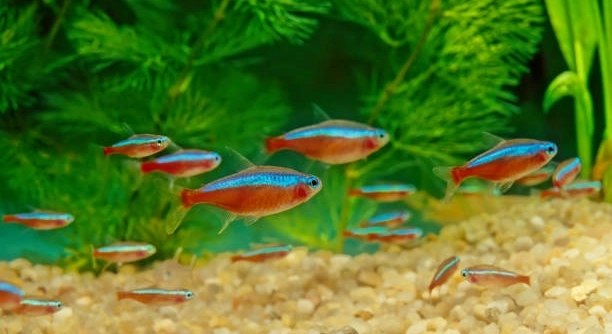
Are your tetras showing signs of stress or acting out of the ordinary in their tank? Overcrowding might be the cause. Understanding how to spot the signs early can help protect their health and well-being.
The clearest signs of tetra overcrowding include erratic swimming, faded color, fin damage, frequent hiding, aggression, gasping at the surface, and waste buildup. These behaviors often indicate insufficient space, reduced oxygen, and poor water quality within the tank.
Each clue tells a different story about the conditions in your aquarium and how your tetras are coping with them.
Erratic Swimming and Chasing Behavior
Tetras are normally calm, schooling fish that swim in coordinated groups. When overcrowded, they often break away from this natural behavior. You may notice them darting across the tank, swimming chaotically, or chasing each other aggressively. This change is usually caused by stress from having too many fish in a small space. It disrupts the natural pecking order and increases tension between fish. Overcrowding also limits swimming space, so tetras are forced to compete more often. Constant chasing can lead to injury or exhaustion. Some fish may even try to isolate themselves to avoid conflict. These are all signs that the tank might be too full. When your tetras can’t move freely or feel safe within their group, their health can quickly start to decline. Observing these shifts in behavior can help you decide whether it’s time to reduce the number of fish or upgrade to a larger aquarium.
Chasing may seem playful, but constant activity without rest often points to overcrowding stress in your tetra tank.
Keep in mind that a proper group size in a spacious tank helps maintain natural schooling behavior. If your tetras are often chasing each other or swimming in unpredictable patterns, it could be a sign of tension caused by limited space.
Faded Color and Unusual Hiding
A change in your tetra’s color can signal stress, and overcrowding is a frequent cause.
When tetras lack space and feel unsafe, their natural colors fade. Stress hormones increase, and this affects their pigmentation. You might notice duller reds, silvers, and blues, even if your lighting and water parameters seem fine. Overcrowded conditions often create territorial issues, especially if there aren’t enough plants or hiding spots. Tetras that are pushed out of their preferred areas will spend more time hiding, which can worsen their stress levels. A tetra that hides frequently and avoids the school is likely overwhelmed. It’s also common to see multiple tetras squeezed into a single corner or plant cluster, trying to feel secure. These behaviors aren’t just reactions to occasional spats—they indicate long-term discomfort. Unlike healthy, active fish, stressed tetras may also stop exploring and remain motionless for long periods. This reduced activity makes it harder for them to compete for food or defend themselves. Proper tank space helps restore their colors and confidence.
Fin Damage and Signs of Aggression
Fin damage in tetras often happens when there’s not enough room to avoid conflict. Overcrowding increases stress and makes fish more territorial, leading to frequent fin-nipping and injuries that wouldn’t occur in a properly spaced tank.
When space is limited, tetras have fewer places to escape tension, making aggression more frequent and harmful. Nipped fins, ragged edges, or missing pieces are common signs. Some tetras may develop secondary infections if wounds are left untreated. Unlike playful chasing, aggressive behavior often includes rapid darting, lunging, or cornering other fish. Smaller or weaker individuals are usually targeted first, leaving them vulnerable and scared. This constant fear adds to the group’s stress, further disrupting the tank’s balance. In a healthy environment, tetras may establish a loose hierarchy, but aggression remains minimal. A crowded tank turns minor disputes into frequent, harmful encounters that lower the quality of life for all fish.
Keeping tetras in large groups doesn’t always cause problems, but combining high numbers with limited space almost always leads to aggressive behavior. The more stressed the fish become, the more often they lash out. Monitoring their interactions regularly helps you spot rising tension early. Quick action can prevent serious injury and restore peace in your aquarium.
Gasping at the Surface and Poor Oxygen
Tetras that frequently hover near the surface may be trying to access more oxygen. This often happens in overcrowded tanks where oxygen is quickly depleted.
Overcrowding increases the bio-load, which reduces oxygen levels in the water. As fish exhale carbon dioxide and use oxygen, it becomes harder for everyone to breathe—especially when filtration or surface agitation is weak. You may notice tetras spending long periods near the surface, moving their gills rapidly. This behavior is different from normal feeding time. It’s usually a sign that they’re struggling to breathe. Cooler water holds more oxygen, so warmer, stagnant conditions make things worse. When too many fish compete for limited oxygen, stress increases, immune systems weaken, and illness spreads more easily. Adding an air stone, reducing the number of fish, or improving water flow can help. Oxygen testing kits are also useful to confirm low levels in the water.
You don’t always need advanced tools to notice this issue. Watching how your tetras behave at the surface can tell you a lot. If the behavior becomes constant and multiple fish are affected, it’s a sign the tank can’t support the current population. Making changes sooner rather than later will support their long-term health and keep the tank stable.
Excess Waste and Cloudy Water
Too many fish produce more waste than the tank can handle, even with a strong filter. Ammonia, nitrites, and nitrates build up quickly, making the water unsafe.
You may also notice cloudy water, foul smells, or algae blooms. These are signs your tank is out of balance.
Reduced Appetite and Sluggish Movement
Overcrowded tetras often stop eating or lose interest in food. Stress, competition, and poor water quality affect digestion and appetite.
Sluggish movement is another common sign. Healthy tetras swim in active groups, but stressed ones stay still, move slowly, or isolate themselves. This behavior often worsens over time.
Limited Schooling Behavior
When tetras feel overcrowded, their natural schooling becomes disorganized. Instead of swimming together, they scatter or isolate. Some may hide, while others compete for space. Schooling helps them feel safe, so when it’s disrupted, it usually means the environment no longer feels secure.
FAQ
How many tetras can I keep in a tank?
A general rule is one inch of fish per gallon, but this doesn’t always work well for active schooling fish like tetras. A better guide is to keep a group of at least six tetras in a 10-gallon tank. For every additional six tetras, add another 10 gallons. This gives them space to swim comfortably while also maintaining water quality. Smaller tanks get overcrowded quickly, and waste builds up fast. If you want multiple species, be sure to factor in each species’ needs before adding more fish. Always consider adult size and behavior, not just their size at purchase.
What size tank is ideal for a school of tetras?
For a small group of six to eight tetras, a 15- to 20-gallon tank is a good starting point. It offers enough space for swimming, hiding, and establishing territory. Larger tanks are always better for stability and for adding more fish later. If you’re housing different types of fish or plan to grow your school, consider a 30-gallon tank or bigger. Tetras are active and do best with long tanks rather than tall ones. Long tanks give them space to swim in horizontal patterns, which is more natural and relaxing for them. Extra space also helps prevent aggression.
Can overcrowding make my tetras sick?
Yes. Overcrowded conditions weaken their immune systems and increase the chance of disease. Poor water quality from excess waste leads to ammonia or nitrite spikes, which damage gills and reduce oxygen levels. Constant stress also causes behavioral changes and opens the door to infections like fin rot, ich, and fungal problems. Even a mild illness can spread quickly in a crowded tank. Healthy tanks provide clean water, stable temperature, and enough space for each fish to thrive. If your tetras are frequently getting sick or showing signs of stress, it’s time to assess your tank’s stocking level.
Why are my tetras always hiding?
Hiding may mean your tetras don’t feel safe or comfortable. This often happens in tanks that are too full or lack proper cover. Overcrowding leads to more competition and bullying, especially when smaller fish can’t find a safe space. Hiding can also be caused by loud noises, sudden lighting changes, or other fish being aggressive. Adding plants, rocks, or decorations can give them shelter and reduce stress. But if hiding continues, it may be a sign your tank is too small or overcrowded. Watch how often it happens and whether the same fish are always affected.
How do I safely reduce the number of fish?
First, never release fish into the wild. Rehoming is the safest option. Reach out to local pet stores, aquarium clubs, or hobbyists who may be willing to take them. You can also list them on community groups or forums. When rehoming, match the species to someone with a proper tank setup. Avoid abrupt removals that disturb the tank’s balance—remove fish gradually, especially if you have many. If reducing numbers feels too difficult, consider upgrading your tank instead. A larger tank gives you more flexibility and often solves space and health issues without needing to part with your fish.
Final Thoughts
Keeping tetras in a healthy environment takes more than just adding them to a tank. These fish are peaceful, active, and social, but they need enough space to swim and feel safe. Overcrowding causes stress, illness, and behavior changes that are easy to miss at first. Small signs like hiding, gasping, or faded colors often mean your tank is too full. As conditions worsen, aggression, fin damage, and even death can follow. Tetras that once swam together may start acting out or isolating themselves. These are not just small problems—they are warnings that the tank is no longer meeting their needs.
A balanced tank gives your tetras room to move, a stable environment, and a sense of security. This helps them stay healthy and show their natural behavior. Clean water, a strong filter, and enough oxygen are all essential, but space is just as important. A larger tank with proper stocking levels reduces the chances of stress and sickness. It also gives your tetras the room they need to form strong schools and swim together calmly. Watching a group of healthy tetras swim in sync is a rewarding experience that’s only possible when their needs are met. You don’t need a massive tank, just a well-planned one.
Checking your tank regularly, testing water, and observing behavior can help prevent overcrowding issues before they start. If you notice changes in how your tetras swim, eat, or interact, it’s worth taking a closer look. Overcrowding is easy to fix once you know the signs. Whether that means moving fish to a larger tank, rehoming a few, or improving filtration, small steps make a big difference. The goal is to create a space where your tetras can thrive long term. A healthy tank benefits not just your fish but your own experience as well. Watching peaceful, colorful fish move freely in a clean tank is enjoyable and calming. Taking time to learn about your tetras’ space and social needs ensures they live happy, active lives. When their environment is right, they reward you with beautiful colors, natural behavior, and years of healthy swimming.

Hello,
If you enjoy the content that we create, please consider saying a "Thank You!" by leaving a tip.
Every little bit helps us continue crafting quality advice that supports the health, happiness, and well-being of pets around the world, for pets of all shapes, sizes, and species.
We really appreciate the kindness and support that you show us!