
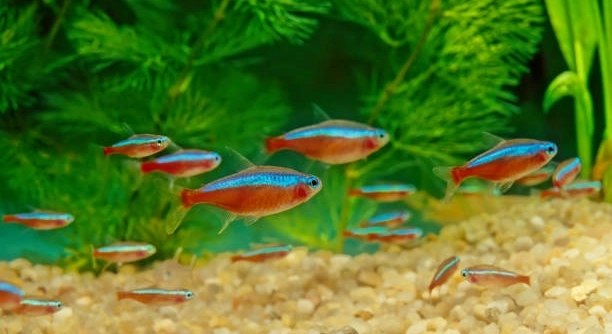
Tetras are popular freshwater fish often kept in home aquariums. Many fishkeepers enjoy watching their tetras grow and thrive. Breeding tetras can be rewarding but requires knowing when they are ready to reproduce.
Tetras show several signs indicating readiness to breed, such as vibrant coloration, specific swimming behaviors, increased activity, pairing off with mates, and changes in appetite. Recognizing these signs helps ensure successful breeding in a controlled environment.
Understanding these signs can improve your chances of supporting healthy breeding. Knowing what to look for helps you prepare the right conditions for your tetra’s reproductive success.
Vibrant Coloration
When tetras are ready to breed, their colors become much brighter. Males especially show more intense shades of red, blue, or green depending on their species. This change helps them attract females and signals good health. Females might also appear slightly rounder with a softer hue as they prepare to lay eggs. Watching for this color shift is one of the easiest ways to know when breeding time is near. It usually happens after they have settled well in their tank and the water conditions are stable. Proper lighting can also make these colors stand out more, giving you a clear sign that your fish are ready.
This bright coloration is a natural signal for breeding readiness in tetras.
Seeing these colors helps you decide when to provide optimal conditions for mating and egg-laying.
Behavioral Changes
Tetras ready to breed often swim differently. Males might chase females gently or display a kind of dance to show interest. These behaviors can seem subtle but become more frequent as breeding time approaches. Females may seek out calm corners or plants where they feel safe to lay eggs. You might notice increased activity, with pairs spending more time close together. These signs suggest they are preparing to reproduce and need a quiet, secure environment. Observing these behaviors helps you support your tetras by adjusting tank settings or providing extra hiding spots.
Increased interaction and protective swimming patterns indicate breeding readiness.
Feeding and Appetite Adjustments
When tetras prepare for breeding, their eating habits can change. Many will eat more actively, especially foods rich in protein like live or frozen brine shrimp and bloodworms. This boost in appetite supports egg development and energy for spawning activities. Sometimes, females may become more selective or slow down their eating just before laying eggs. Feeding a varied diet during this time improves health and encourages successful breeding. Keeping a close eye on appetite changes helps you know when to adjust feeding amounts and types. Proper nutrition is essential for both parents and offspring health, so offering quality food consistently can make a big difference.
Feeding habits directly influence breeding success in tetras. Adjusting diet at the right time supports healthier fry.
Pairing Off
Tetras often form pairs when ready to breed. This pairing is important because it increases the chances of fertilization and egg survival. Males typically show courtship behavior, following and guarding females closely. Female tetras may respond by allowing the male to lead them to a suitable spawning site, like dense plants or smooth surfaces in the tank. Pairing off can last for several days, with both fish protecting their chosen spot. Sometimes, keeping tetras in small groups helps natural pairing occur without stress. Creating a calm environment with plenty of hiding places encourages this natural behavior, making breeding more likely.
Pairs form naturally when tetras are ready to reproduce.
Environmental Triggers
Environmental factors strongly influence tetra breeding readiness. Changes in water temperature, pH, and light cycles mimic natural breeding seasons, encouraging spawning behavior. Slightly softer water with a pH around 6.5 to 7.0 and temperatures near 75–80°F are ideal. Increasing daylight hours gradually can also stimulate breeding activity. It’s important to keep the tank clean and well-maintained, as poor water quality stresses fish and inhibits reproduction. Adding fine-leaved plants or spawning mops offers safe places for eggs. Making these adjustments creates a supportive habitat that signals to tetras that it’s time to breed. Monitoring these factors closely helps ensure better success when your fish show other breeding signs.
Adjusting environmental conditions to mimic nature improves breeding chances.
Small changes in water and lighting settings can make a significant difference in breeding success and fish health.
Egg Laying Behavior
Tetra females look for safe spots to lay their eggs. They often choose plants or smooth surfaces where eggs can stick and stay protected. This behavior signals that spawning is underway and the environment is suitable for raising young.
Once the female finds a spot, she will deposit eggs carefully, usually scattering them over plants or the tank floor. The male follows closely to fertilize the eggs immediately after they are laid. This process can take several minutes and may repeat multiple times during a session. It is important to reduce tank disturbances during this time to avoid stressing the fish.
After egg laying, parents might become more protective or, in some cases, may eat the eggs. Providing dense plants or spawning mops gives eggs a better chance to survive. Separating adults after spawning can help improve fry survival rates.
Increased Activity and Restlessness
Tetras preparing to breed often swim more actively and seem restless. This behavior helps stimulate mating and signals readiness. They may swim faster, dart around the tank, or circle each other more frequently.
This increased activity is part of courtship, with males chasing females in a non-aggressive way. Both fish become more alert and attentive, spending time near plants or hiding spots where eggs will be laid. Restlessness also helps clear the breeding area by chasing away other tank mates that might disturb the process.
It’s important to observe these signs and maintain calm conditions. Avoid sudden changes or loud noises to support their breeding efforts. Providing enough space and suitable hiding places encourages natural behavior, increasing the likelihood of successful spawning.
Nesting Sites Preference
Tetras prefer to lay their eggs on fine-leaved plants or smooth surfaces. These areas offer safety and better chances for egg survival.
Providing plenty of plants or spawning mops in the tank encourages tetras to choose ideal nesting spots, making breeding more successful.
Physical Changes in Females
Female tetras often show a rounder belly as eggs develop. This swelling becomes noticeable just before spawning.
The body shape change helps identify females ready to lay eggs. Monitoring this physical sign can guide the timing for preparing the tank for breeding.
Male Territorial Behavior
Male tetras sometimes become territorial during breeding periods. They guard their chosen spawning area to protect eggs from other fish.
This guarding behavior is a natural way to increase the survival chances of their offspring and reduce disturbances in the tank.
FAQ
How long does it take for tetras to breed?
Tetras usually take a few days to a week to prepare for breeding after showing signs like brighter colors and increased activity. The actual spawning event can last from a few minutes to several hours, depending on the species and environment. After spawning, eggs typically hatch within 24 to 48 hours.
What is the best water condition for breeding tetras?
The ideal water temperature is around 75–80°F (24–27°C) with a slightly acidic to neutral pH between 6.5 and 7.0. Soft water helps, but it should still be clean and well-filtered. Stable water conditions are critical to reduce stress and encourage spawning behavior.
Should I separate the adults after spawning?
It’s often recommended to remove adult tetras after spawning because they may eat their eggs or fry. Keeping the eggs in a separate breeding tank increases survival rates. If separation is not possible, provide dense plants or spawning mops where eggs can hide.
How can I tell the difference between male and female tetras?
Males usually have brighter colors and slimmer bodies. Females tend to be rounder, especially when carrying eggs. Males also display courtship behaviors like chasing and dancing, while females focus on selecting egg-laying sites.
What do tetra eggs look like?
Tetra eggs are tiny, transparent or slightly yellowish, and often sticky, which helps them attach to plants or tank surfaces. They are usually scattered in clusters and can be hard to spot without close observation.
How do I care for tetra fry?
Once eggs hatch, fry need small, frequent feedings of fine foods like infusoria or specialized fry food. Water quality should be closely monitored and kept clean. Avoid strong currents and provide plenty of hiding spots to protect young fish from stress.
Can tetras breed in a community tank?
Breeding tetras in a community tank is possible but challenging. Other fish may eat eggs or disturb spawning behavior. For better success, it’s best to use a separate breeding tank where conditions can be controlled and fry can be protected.
How often do tetras breed?
Tetras can breed multiple times a year under the right conditions. They often respond to environmental cues like water temperature and daylight changes. Frequent water changes and good nutrition also encourage repeated spawning.
What should I feed tetras during breeding?
A high-protein diet is important. Live or frozen foods like brine shrimp, bloodworms, and daphnia help prepare tetras for breeding by boosting their energy and improving egg quality. Avoid overfeeding to maintain water quality.
Are there any signs of unsuccessful breeding?
If tetras show no interest in spawning or eggs fail to develop, water quality or tank conditions may be poor. Also, excessive stress or lack of proper diet can prevent breeding. Monitoring behavior and environment closely can help identify issues early.
Final Thoughts
Breeding tetras can be a rewarding experience, but it takes patience and attention to detail. Knowing the signs that your tetras are ready to breed helps create the right conditions for success. From changes in color and behavior to physical signs and environmental needs, each factor plays a role in encouraging natural spawning. Keeping your tank clean and stable is just as important as recognizing these signs. A calm environment allows your fish to feel safe and reduces stress, which improves the chances of successful breeding.
Providing a proper diet is another key part of preparing your tetras for breeding. High-quality, protein-rich foods help build strength and improve egg quality. Feeding your fish well before and during breeding will give them the energy they need. It’s also important to observe how your fish respond to changes in their environment and diet. Adjusting temperature, lighting, and tank setup to meet their needs can make a big difference in encouraging them to breed naturally.
Finally, protecting the eggs and fry is essential for raising healthy young tetras. Adult fish may eat their eggs or fry if left together, so separating them after spawning or providing dense plants can help. Watching your fish carefully during this time will allow you to take the right steps to improve survival. With attention to these details and a little patience, breeding your tetras can be a smooth and successful process that adds a new level of enjoyment to keeping these beautiful fish.

Hello,
If you enjoy the content that we create, please consider saying a "Thank You!" by leaving a tip.
Every little bit helps us continue crafting quality advice that supports the health, happiness, and well-being of pets around the world, for pets of all shapes, sizes, and species.
We really appreciate the kindness and support that you show us!