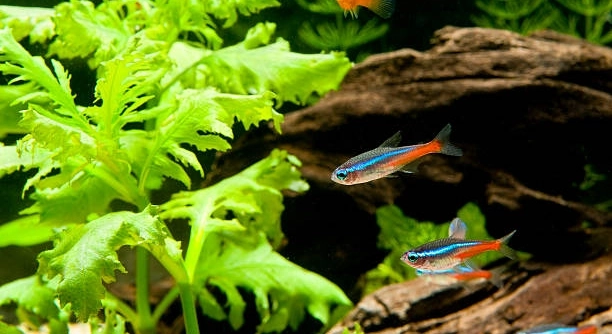
Can Tetra Have Tankmates? (7 Fish to Consider)

Are your tetras swimming peacefully but you’re unsure if they can share their space with other fish in the tank? Tetras can have tankmates, but compatibility depends on factors like size, temperament, and water requirements. Peaceful species such as rasboras, guppies, and corydoras are commonly recommended companions that coexist well in similar aquatic conditions. These … Read more

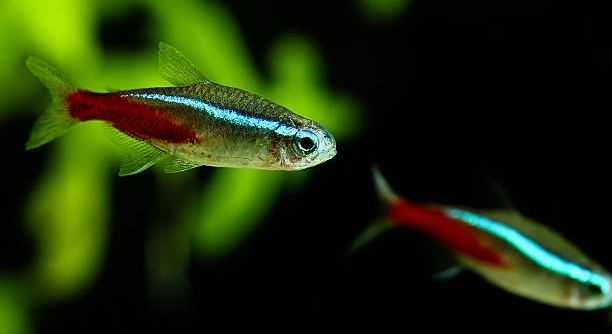
7 Best Breeding Cues for Tetra Success

Have you ever set up your tank perfectly, only to find your tetras uninterested in breeding no matter what you try? The best way to encourage breeding in tetras is by using specific environmental cues that mimic their natural habitat. These cues include water temperature, lighting, and tank conditions that signal it’s time to spawn. … Read more

7 Things You Didn’t Know About Tetra

Do you ever find yourself mesmerized by the tiny, shimmering movements of your tetra fish, wondering what else lies beneath their beauty? Tetras are more than just colorful additions to your aquarium. These small fish have complex social behaviors, specific environmental needs, and surprising adaptability that often go unnoticed by casual observers. Understanding these lesser-known … Read more

7 Reasons Tetra Might Die After a Water Change

Many aquarium owners enjoy keeping tetras because of their vibrant colors and peaceful nature. However, these fish can sometimes die shortly after a water change, leaving owners confused and concerned. Understanding why this happens is important for their care. Tetras may die after a water change due to sudden changes in water parameters such as … Read more

How to Calm Down Hyperactive Tetra (7 Tricks)

Are your tetra fish acting overly energetic and difficult to manage in their tank? Hyperactive behavior in tetras can be common but also concerning for fish owners. Managing their activity helps maintain a peaceful aquarium environment. Calming hyperactive tetras involves adjusting their tank conditions, providing proper diet, and reducing stress triggers. These steps create a … Read more

7 Signs It’s Time to Upgrade Your Tetra Tank

Are your Tetra tank fish not as lively as before or is the water quality slipping? Keeping a healthy aquarium means paying attention to the tank’s condition and equipment. Sometimes, an upgrade is needed to keep your aquatic pets happy and safe. Upgrading your Tetra tank becomes necessary when the tank size is too small, … Read more

7 Subtle Signs Your Tetra Are Sick

Are your tetra fish showing changes that seem small but might be important? Keeping an eye on subtle signs can help protect their health. This article focuses on those quiet signals that could mean your tetra needs care. Recognizing early symptoms of illness in tetra fish is essential for prompt treatment and survival. Subtle behavioral … Read more

7 Ways to Help Weak Tetra Regain Strength

Weak tetras are delicate fish that sometimes lose their strength due to stress, illness, or poor water conditions. Caring for them properly requires attention to their environment and diet to help them recover. This article outlines practical ways to support a weak tetra’s health. Helping a weak tetra regain strength involves improving water quality, providing … Read more

How to Deal with Tetra Aggression (7 Solutions)

Tetras are popular aquarium fish known for their bright colors and lively behavior. However, sometimes they can show aggression, which can disrupt the peaceful environment of your tank. Managing this behavior is important for a healthy aquarium. Tetra aggression often arises from overcrowding, lack of hiding spaces, or territorial disputes. Effective solutions include adjusting tank … Read more

How to Lower Nitrate Levels for Tetra (7 Tips)

Are your tetra fish struggling in a tank with high nitrate levels? Managing water quality is important for keeping these small, colorful fish healthy and happy. High nitrates can stress your tetras and affect their well-being. Lowering nitrate levels in a tetra aquarium involves regular water changes, avoiding overfeeding, using live plants, maintaining a good … Read more