
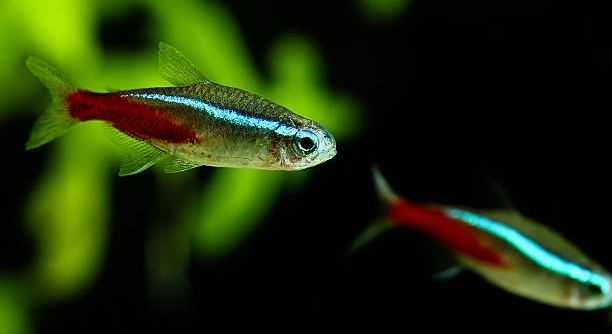
Many aquarium owners enjoy keeping tetras because of their vibrant colors and peaceful nature. However, these fish can sometimes die shortly after a water change, leaving owners confused and concerned. Understanding why this happens is important for their care.
Tetras may die after a water change due to sudden changes in water parameters such as temperature, pH, and chlorine levels. These abrupt shifts cause stress and shock, weakening their immune systems and making them vulnerable to illness or death.
Knowing the causes of these reactions will help improve water change routines and protect your tetra’s health over time. This article explores the key reasons behind their sensitivity after water changes.
Sudden Temperature Changes
Tetras are very sensitive to temperature fluctuations. When you perform a water change, if the new water is even slightly colder or warmer than the tank water, it can cause serious stress to the fish. This stress affects their metabolism and can weaken their immune system, making them more prone to disease or death. Sudden temperature changes shock their delicate bodies, as tetras naturally live in stable tropical environments. It’s important to always match the temperature of the new water as closely as possible to the existing tank water. Using a reliable thermometer and adjusting water temperature before adding it to the tank can help reduce the risk of harm. Consistency is key to keeping your tetras healthy during water changes.
Matching water temperatures helps keep tetras calm and reduces the chance of shock or stress during water changes.
Stress caused by temperature differences disrupts fish bodily functions and can quickly lead to fatal consequences if not managed carefully. Taking the time to prepare water correctly will support your tetra’s health and stability in the tank.
Changes in Water Chemistry
Even small changes in pH, hardness, or other water chemistry can cause tetras to become stressed and sick. When new water is added, it may have different chemical properties compared to the old tank water. This difference forces the fish to adjust quickly, which is difficult for them. Regular testing of water parameters can prevent sudden shifts during water changes. Using a water conditioner or mixing old and new water before adding it helps maintain a consistent environment. Monitoring these factors carefully during water changes ensures your tetras remain comfortable and healthy over time.
Chlorine and Chloramine in Tap Water
Chlorine and chloramine are common chemicals added to tap water to kill bacteria. These chemicals are toxic to tetras and must be removed before adding water to the tank. Even small amounts can cause gill damage, respiratory issues, and stress, which may lead to death.
Using a water conditioner designed to neutralize chlorine and chloramine is essential. Always treat new water thoroughly before adding it to your tank. Many conditioners work instantly, making the water safe immediately. Failing to remove these chemicals can cause rapid health decline in your fish.
It’s important to remember that not all water conditioners are created equal. Some only remove chlorine, while others handle chloramine as well. Check the product label carefully to ensure it covers both substances. Proper water treatment is a simple but vital step to keep tetras safe after a water change.
Overfeeding and Water Quality
Overfeeding can quickly reduce water quality, which affects tetra health. Excess food decomposes and releases harmful substances like ammonia and nitrites. These toxins stress fish and damage their gills, especially after water changes when their systems are already vulnerable. Feeding only what tetras can eat in a few minutes helps maintain cleaner water.
Poor water quality causes tetras to become lethargic and lose appetite. It also increases the risk of bacterial infections. Regular partial water changes help keep toxin levels low, but overfeeding can undo this effort. Maintaining a balanced feeding routine supports a stable environment, reducing the chance of deaths after water changes.
Keeping the tank clean means more than just changing water. Remove uneaten food, vacuum the substrate, and monitor water parameters regularly. Good maintenance habits combined with controlled feeding prevent sudden changes in water chemistry and keep your tetras healthy and thriving.
Rapid Water Changes
Performing large water changes too quickly can shock tetras. Sudden shifts in water parameters cause stress and may lead to death. Smaller, gradual water changes help maintain stability in the tank environment.
Consistency is important. Frequent, smaller changes are less stressful than infrequent large changes, keeping tetras healthier over time.
Poor Tank Cycling
An uncycled tank lacks beneficial bacteria that break down toxins. Without these bacteria, ammonia and nitrite levels rise quickly after water changes, harming tetras. Proper tank cycling is essential for a safe environment.
Stress from Handling
Handling fish during water changes causes stress. Avoid netting or disturbing tetras unnecessarily to reduce their stress levels and risk of death.
Gentle care helps maintain their wellbeing during maintenance.
FAQ
Why do my tetras die right after a water change?
Tetras often die after water changes because of sudden shifts in temperature, pH, or chemical levels. These changes shock their sensitive systems, leading to stress and weakened immunity. If water is not properly treated or matched to the tank’s conditions, tetras may not survive the transition. Consistency in water quality and careful preparation is crucial to avoid this.
How can I prevent temperature shock during water changes?
Always check the temperature of new water before adding it. Use a thermometer to ensure it matches the tank water closely. Adjust the new water by warming or cooling it as needed. Adding water slowly rather than all at once helps tetras adjust gradually without stress.
What should I do about chlorine and chloramine in tap water?
Tap water often contains chlorine or chloramine, both harmful to fish. Use a water conditioner that neutralizes these chemicals before adding water to your tank. Make sure the conditioner covers both chlorine and chloramine, as not all products do. This simple step protects your tetras’ gills and overall health.
Can overfeeding cause problems after a water change?
Yes, overfeeding leads to leftover food that decomposes and pollutes the water. This increases toxins like ammonia, which stress your tetras, especially after water changes. Feed only small amounts your fish can eat in a few minutes to keep water clean and safe.
How much water should I change at once?
Changing about 20-30% of the tank water is usually safe. Larger water changes can cause sudden changes in water chemistry, which stress fish. Smaller, more frequent water changes maintain stable conditions, reducing risk to your tetras.
Is tank cycling important for water changes?
Absolutely. A properly cycled tank has bacteria that break down toxic ammonia and nitrites. Without cycling, toxins build up quickly after water changes, harming fish. Make sure your tank is fully cycled before keeping tetras to create a healthy environment.
How often should I test my tank water?
Regular testing, at least once a week, helps catch dangerous changes in pH, ammonia, nitrites, and nitrates. Testing before and after water changes ensures you maintain safe conditions for your tetras. This helps avoid surprises that could stress or kill them.
Can handling tetras during water changes cause harm?
Yes, excessive handling can stress fish and make them vulnerable to illness. Try to minimize moving or netting your tetras during changes. If you need to move them, be gentle and quick to reduce stress levels.
What are signs that my tetras are stressed after a water change?
Look for rapid breathing, hiding, loss of appetite, or lethargy. Stress weakens their immune system and makes them more likely to get sick. If you notice these signs, check water parameters immediately and correct any issues.
How do I prepare new water to keep tetras safe?
Prepare new water by adjusting temperature, treating with conditioner, and mixing it well before adding to the tank. Letting new water sit for a while can help chemicals dissipate, but treatment is still necessary. This preparation reduces stress and supports your fish’s health.
Can tap water quality affect tetra survival?
Yes, tap water quality varies widely and can have chemicals or minerals harmful to tetras. Testing your tap water helps identify potential issues. Using filtered or aged water can improve tank conditions and reduce risks during water changes.
Why is gradual water addition better than all at once?
Adding water slowly prevents sudden changes in tank conditions. This helps fish adjust more easily and reduces stress. Rapid water replacement can shock tetras and cause fatal reactions.
Are all tetras equally sensitive to water changes?
Some species tolerate changes better, but most tetras prefer stable conditions. Neon tetras, for example, are particularly sensitive. Knowing your specific tetra type helps tailor care and water change routines to their needs.
What is the best schedule for water changes?
A weekly schedule with moderate changes (20-30%) is effective for most tetra tanks. This routine keeps water clean without causing large parameter swings, promoting steady health for your fish.
Can adding plants help with water changes?
Yes, live plants absorb some toxins and help maintain water quality. They provide a more natural environment, which reduces stress during water changes. Including plants can improve overall tank stability.
What should I do if my tetras show signs of illness after a water change?
Immediately test water quality and correct any issues. Isolate sick fish if possible and consult fish care guides or a vet for treatment. Quick action can save lives and prevent further problems in the tank.
Changing water in a tetra tank is an important part of keeping your fish healthy, but it needs to be done carefully. Sudden changes in temperature, water chemistry, or the presence of chemicals like chlorine can cause serious stress to tetras. These small fish have delicate systems that react quickly to their environment. Taking the time to prepare water properly and match it to the tank’s conditions helps avoid many common problems. A gradual, consistent approach to water changes will support the health and longevity of your tetras.
Maintaining a stable environment means paying attention to several factors beyond just water temperature. Proper tank cycling to build beneficial bacteria is essential for breaking down harmful substances. Avoiding overfeeding and keeping the tank clean also help maintain good water quality. Testing water regularly provides important information about pH, ammonia, nitrites, and other key parameters. By understanding how these factors interact, you can prevent sudden shocks during water changes and create a safe home for your tetras.
Water changes do not have to be stressful for your fish if done correctly. Using water conditioners to remove chlorine and chloramine, matching temperature, and adding water slowly are simple but effective steps. Reducing handling and disturbance during maintenance helps minimize fish stress. With proper care and attention, tetras can thrive and live longer in your aquarium. Keeping these details in mind makes water changes a routine part of care, rather than a risky event. This knowledge will help you create a healthy, stable environment for your tetras over time.

Hello,
If you enjoy the content that we create, please consider saying a "Thank You!" by leaving a tip.
Every little bit helps us continue crafting quality advice that supports the health, happiness, and well-being of pets around the world, for pets of all shapes, sizes, and species.
We really appreciate the kindness and support that you show us!