
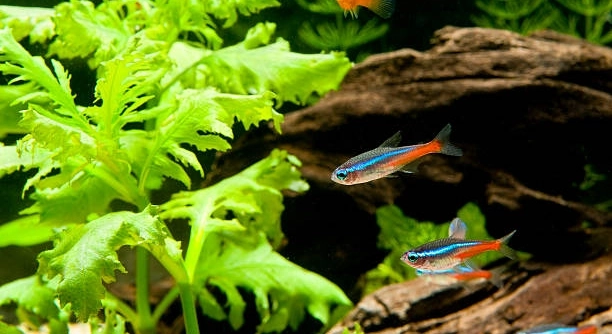
Weak tetras are delicate fish that sometimes lose their strength due to stress, illness, or poor water conditions. Caring for them properly requires attention to their environment and diet to help them recover. This article outlines practical ways to support a weak tetra’s health.
Helping a weak tetra regain strength involves improving water quality, providing a balanced diet, reducing stress, and monitoring for diseases. Maintaining stable conditions and offering gentle care are essential steps to promote recovery and ensure the fish’s well-being.
These methods can improve your tetra’s vitality and help prevent future health problems. A clear approach makes it easier to keep your fish strong and healthy.
Improving Water Quality for Weak Tetras
Maintaining clean, stable water is crucial for helping weak tetras regain their strength. Tetras are sensitive to changes in water parameters such as temperature, pH, and ammonia levels. Frequent water changes, about 25% once or twice a week, can reduce toxins and provide fresh oxygen. Use a reliable water testing kit to monitor ammonia, nitrites, nitrates, and pH regularly. The ideal temperature for most tetras is between 74°F and 80°F. Sudden changes in temperature or water chemistry can stress the fish further, slowing recovery. A good filter helps keep the water clear, but avoid strong currents that may tire the fish. Conditioning tap water with dechlorinators removes harmful chlorine and chloramine, making the water safer. Keeping the tank clean, stable, and well-maintained supports the immune system of weak tetras, allowing them to recover more quickly and maintain better health.
Regular water changes and monitoring prevent buildup of harmful substances and create a safer environment for your fish.
Checking water quality and adjusting conditions can directly improve your tetra’s health and energy. Stable water reduces stress and encourages healing, helping your fish regain strength over time. A calm, clean tank promotes better activity and appetite, essential for recovery.
Providing a Balanced Diet
Offering the right nutrition is vital when helping a weak tetra. A varied diet with high-quality flakes, pellets, and occasional live or frozen foods such as brine shrimp or daphnia provides essential nutrients. Feeding small amounts multiple times a day encourages eating without overwhelming the fish. Avoid overfeeding, as leftover food can pollute the water. Including foods rich in protein supports tissue repair, while vitamins enhance the immune response. If your tetra shows low appetite, try warming the food slightly or placing it near the fish to attract attention. A proper diet strengthens the fish’s energy reserves and helps fight illness. Consistency in feeding and quality food choices support a gradual and steady recovery process for weak tetras, making nutrition an important part of overall care.
Reducing Stress in Your Tetra’s Environment
Stress can significantly weaken tetras, slowing their recovery. Keeping the tank peaceful and stable helps reduce stress. Avoid sudden changes in lighting, noise, or tank rearrangement. Limit interactions with aggressive tank mates to protect fragile fish.
Creating a calm environment involves maintaining consistent conditions and minimizing disruptions. Soft lighting and quiet surroundings prevent unnecessary stress. Position the tank in a low-traffic area away from loud noises and vibrations. Providing plenty of hiding spots with plants or decorations gives tetras places to feel safe. Avoid overcrowding to reduce competition and aggression. When tetras feel secure, their bodies can focus on healing rather than constant defense.
Stress reduces immune function, making weak tetras vulnerable to disease. By carefully managing the environment, the fish can recover faster. Consistency in tank conditions, gentle handling, and thoughtful tank mates all contribute to a healthier and stronger tetra.
Monitoring and Treating Disease
Detecting illness early is crucial to helping a weak tetra regain strength. Watch for signs like clamped fins, spots, or unusual behavior. Treating diseases promptly improves recovery chances.
Disease weakens fish and slows healing, so quick action is needed. Use a quarantine tank for sick tetras to prevent spreading infections. Depending on the illness, treatments may include medicated foods, water additives, or antibiotics. Follow dosage instructions carefully to avoid harming the fish or beneficial bacteria. Keeping the tank clean and stable supports treatment effectiveness. Regular observation helps identify issues early, allowing timely intervention. Prevention through good water quality and nutrition reduces the risk of illness. Proper care during treatment helps the fish regain strength and return to normal activity levels.
Maintaining Stable Temperature
Keeping the water temperature steady is essential for a weak tetra’s recovery. Sudden fluctuations can stress the fish and slow healing. Use an aquarium heater with a reliable thermostat to maintain a constant temperature between 74°F and 80°F.
Check the temperature daily to ensure it stays within the safe range. Avoid placing the tank near windows or heating vents where temperature swings are common. Consistent warmth supports the fish’s metabolism and immune system, helping it regain strength more quickly.
Providing Adequate Oxygen
Good oxygen levels improve a weak tetra’s overall health and recovery. Ensure the tank has proper aeration through a filter or air stone to keep oxygen circulating.
Adequate oxygen supports cell function and energy production. Without enough oxygen, tetras become lethargic and weaker. Regularly clean filters and avoid overstocking to maintain oxygen balance in the water.
Handling Weak Tetras Carefully
Handle weak tetras with care to avoid additional stress or injury. Use gentle movements when cleaning or moving the fish.
Minimize handling as much as possible, only when necessary for treatment or transfer. Stress from rough handling can worsen their condition, delaying recovery.
FAQ
How can I tell if my tetra is weak or sick?
Signs of weakness in tetras include reduced activity, loss of appetite, clamped fins, and unusual swimming patterns such as floating near the surface or hiding constantly. They may also show discoloration or develop white spots or patches on their body. Monitoring behavior closely is important for early detection.
What are the most common causes of weakness in tetras?
Weakness often results from poor water quality, sudden changes in temperature, infections, or stress from aggressive tank mates. Overfeeding or an unbalanced diet can also contribute. Ensuring stable tank conditions and good nutrition helps prevent these issues.
How often should I change the water to help my weak tetra?
Perform water changes of about 25% once or twice weekly. This helps remove toxins and refresh oxygen levels. More frequent changes might stress the fish, so balance is key.
Can I use medication in the main tank to treat a weak tetra?
It’s best to isolate the sick tetra in a quarantine tank before treatment. This prevents spreading illness and protects beneficial bacteria in the main tank. Use medication according to instructions to avoid harming the fish.
What foods are best for helping a weak tetra regain strength?
High-quality flakes or pellets formulated for tropical fish work well. Supplement with live or frozen foods like brine shrimp or daphnia for added protein. Feed small amounts several times a day to encourage eating.
Is it necessary to adjust the tank temperature for a weak tetra?
Yes, maintaining a stable temperature between 74°F and 80°F supports the fish’s metabolism and immune system. Avoid sudden changes, which can increase stress.
How do I reduce stress for my weak tetra?
Keep tank conditions consistent and avoid loud noises or sudden lighting changes. Provide hiding places with plants or decorations and avoid overcrowding or aggressive tank mates.
How long does it take for a weak tetra to regain strength?
Recovery time varies based on the cause and care provided. With proper water quality, nutrition, and stress reduction, improvement may be seen in a few days to weeks.
Can weak tetras recover without medication?
If the weakness is due to mild stress or poor conditions, improving the environment and diet may be enough. However, infections usually require treatment.
Should I handle my weak tetra during recovery?
Limit handling to reduce stress. Only move the fish if necessary for treatment or tank cleaning, using gentle techniques.
How do I prevent future weakness in tetras?
Maintain stable water parameters, provide a balanced diet, and avoid overcrowding. Regular tank maintenance and observation help catch issues early.
Are some tetra species more prone to weakness?
Some species are more sensitive to water quality changes or stress. Research your specific tetra species to provide the best care.
Can weak tetras infect others in the tank?
Yes, some diseases are contagious. Quarantining sick fish and keeping the tank clean reduces risk.
What role does oxygen play in a tetra’s recovery?
Adequate oxygen supports energy production and overall health. Use aeration devices and avoid overcrowding.
Is lighting important for weak tetras?
Consistent, moderate lighting reduces stress. Avoid sudden bright lights or complete darkness.
Final Thoughts
Helping a weak tetra regain strength takes patience and careful attention to their needs. The key factors are maintaining clean, stable water conditions, providing a balanced diet, and reducing stress in the tank environment. Each step supports the fish’s natural ability to heal and regain energy. Consistency in care is important. Sudden changes or neglect can make recovery slower or cause additional problems. Regularly monitoring water quality and observing the fish’s behavior helps catch issues early, making it easier to address them before they become serious.
Proper nutrition is another essential element in supporting a weak tetra’s recovery. Feeding small amounts several times a day with high-quality food supplies the necessary nutrients for repair and growth. Including protein-rich live or frozen foods boosts the fish’s immune system and energy. Overfeeding should be avoided, as leftover food can pollute the water and cause health problems. When a fish feels safe and comfortable, it is more likely to eat well and recover faster. Creating a calm, stable environment with hiding places reduces stress and promotes healing. Managing tank mates and minimizing disturbances also help maintain a peaceful atmosphere.
Finally, it is important to recognize signs of illness early and take action. Some conditions require medication or quarantine to prevent spreading to other fish. Handling weak tetras gently and only when necessary reduces additional stress. Patience is vital, as recovery times vary depending on the cause and care provided. With proper water care, good nutrition, and a low-stress environment, weak tetras can regain their strength and return to healthy activity levels. Keeping these practices consistent will also help prevent future health problems, allowing your tetras to thrive in their tank.

Hello,
If you enjoy the content that we create, please consider saying a "Thank You!" by leaving a tip.
Every little bit helps us continue crafting quality advice that supports the health, happiness, and well-being of pets around the world, for pets of all shapes, sizes, and species.
We really appreciate the kindness and support that you show us!