7 Reasons Your Rainbowfish Needs Hiding Spots
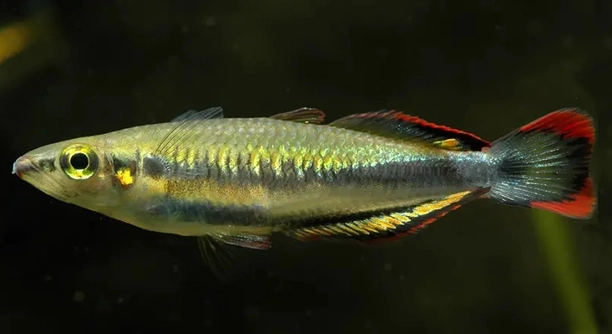
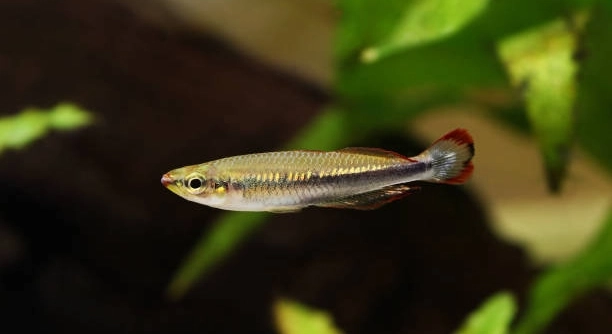
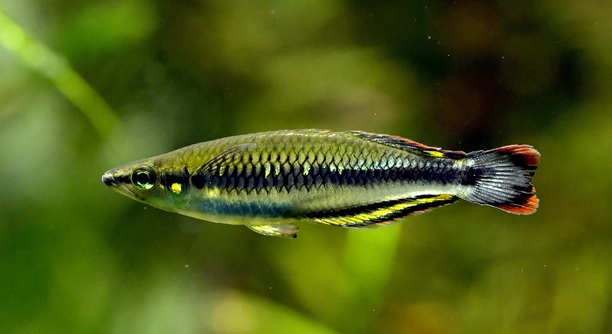
Have you ever noticed your rainbowfish swimming nervously in its tank, darting from one corner to another without settling down? Many aquarists overlook how essential hiding spots are for these colorful, active fish. Rainbowfish require hiding spots to reduce stress and promote natural behaviors. Shelters provide security, allowing fish to rest, explore, and interact safely. … Read more

Why Rainbowfish Cluster in Specific Corners

Rainbowfish are known for their bright colors and lively movements. Many aquarists notice that these fish often gather in certain corners of the tank, forming tight little groups. Their clustering behavior is both charming and noticeable. Rainbowfish cluster in specific corners primarily due to environmental and social factors. These include water flow patterns, the presence … Read more

Why Is My Rainbowfish Lying at the Bottom?

Is your rainbowfish spending more time at the bottom of the tank than swimming around? Noticing this behavior can be concerning, especially when your fish is usually active and lively. It is often a sign that something is off. Rainbowfish lying at the bottom of the tank usually indicates stress, illness, or poor water conditions. … Read more

Can Rainbowfish Remember Specific Events?

Have you ever watched your rainbowfish swim and wondered if it remembers what happened earlier in the day? These small, colorful fish seem lively and attentive, often reacting quickly to changes in their surroundings or routines. Rainbowfish are capable of remembering specific events to some extent. Studies show that they can recognize feeding times, avoid … Read more

7 Things You Shouldn’t Add to Their Tank

Keeping an aquarium can be a relaxing hobby, but many beginners accidentally introduce harmful items. Even well-meaning additions can disturb water balance, stress fish, or damage delicate ecosystems within the tank environment. Adding substances like soap, scented candles, or certain plants can severely harm fish and other aquatic life. These items may release toxins, alter … Read more

Why Rainbowfish Might Swim in Short Bursts

Rainbowfish are lively little swimmers that often move with sudden bursts instead of gliding steadily through the water. Observing them can be entertaining, and many aquarists wonder why their movements seem so quick and abrupt. Rainbowfish often swim in short bursts as a natural behavior to avoid predators, navigate their environment efficiently, and maintain social … Read more

7 Tank Habits That Can Confuse Fish

Do you ever notice your fish acting strangely despite having a clean and well-kept tank? Many fish owners experience this, not realizing that certain everyday habits can confuse or stress their aquatic pets. Tank habits such as sudden water changes, inconsistent feeding schedules, overcrowding, excessive decoration rearrangement, and improper lighting can disrupt fish behavior. These … Read more

Do Rainbowfish Prefer Solo or Group Exploration?

Have you ever watched rainbowfish move through their tank and wondered how they prefer to explore their surroundings? Their small size and bright colors make them a fascinating subject for observation. These lively fish often capture attention effortlessly. Rainbowfish generally prefer group exploration over solitary movement. They rely on social cues for safety, foraging, and … Read more

7 Quick Checks for a Rainbowfish Health Boost

Taking care of rainbowfish can feel simple, yet keeping them healthy requires attention to small details in their tank. Observing their behavior and environment regularly helps prevent issues before they become serious concerns for your fish. Maintaining rainbowfish health relies on consistent monitoring of water quality, diet, tank conditions, and physical behavior. Checking for changes … Read more

Do Rainbowfish Notice Daylight Patterns?

Rainbowfish are small, colorful freshwater fish often kept in home aquariums. Their bright scales and lively swimming make them a popular choice for hobbyists looking to create a cheerful aquatic environment in their homes. Rainbowfish do notice daylight patterns. They respond to changes in light intensity and duration, which influence their feeding, activity levels, and … Read more